The Youth Vape Crisis: How 'Safer' Became a Gateway
Unpacking the data behind the teen vaping surge, why it’s not a harmless trend, and what parents and policymakers need to know now.
In 2023, the CDC reported that over 2.1 million U.S. middle and high school students used e-cigarettes. This isn't a harmless phase—it's a public health pivot. Designed as a 'safer' alternative for adult smokers, vaping has instead become a high-speed on-ramp to nicotine addiction for a generation that never smoked a cigarette. The core conflict is clear: harm reduction for smokers versus a new epidemic among teens. And the data is hard to ignore.
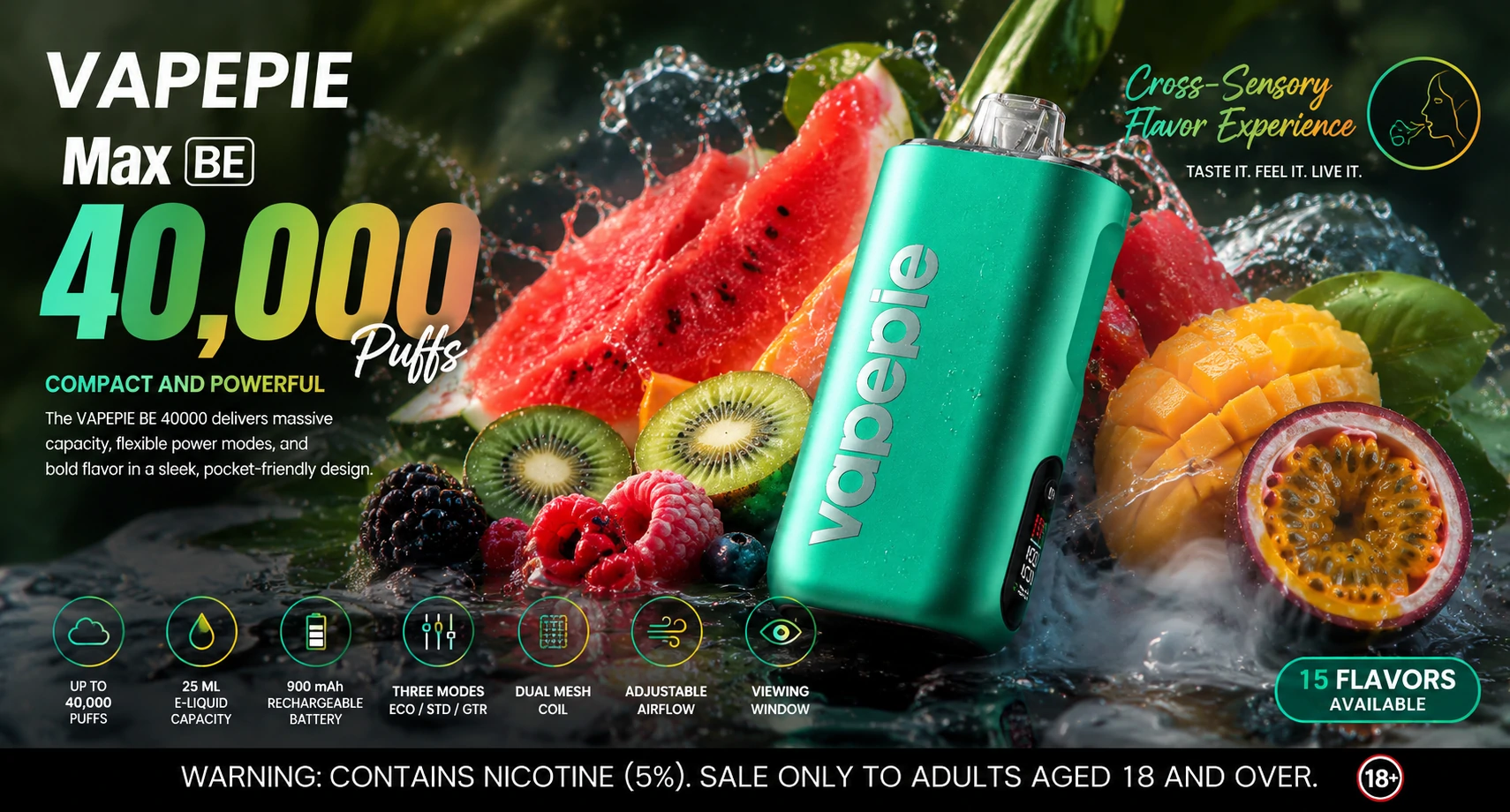
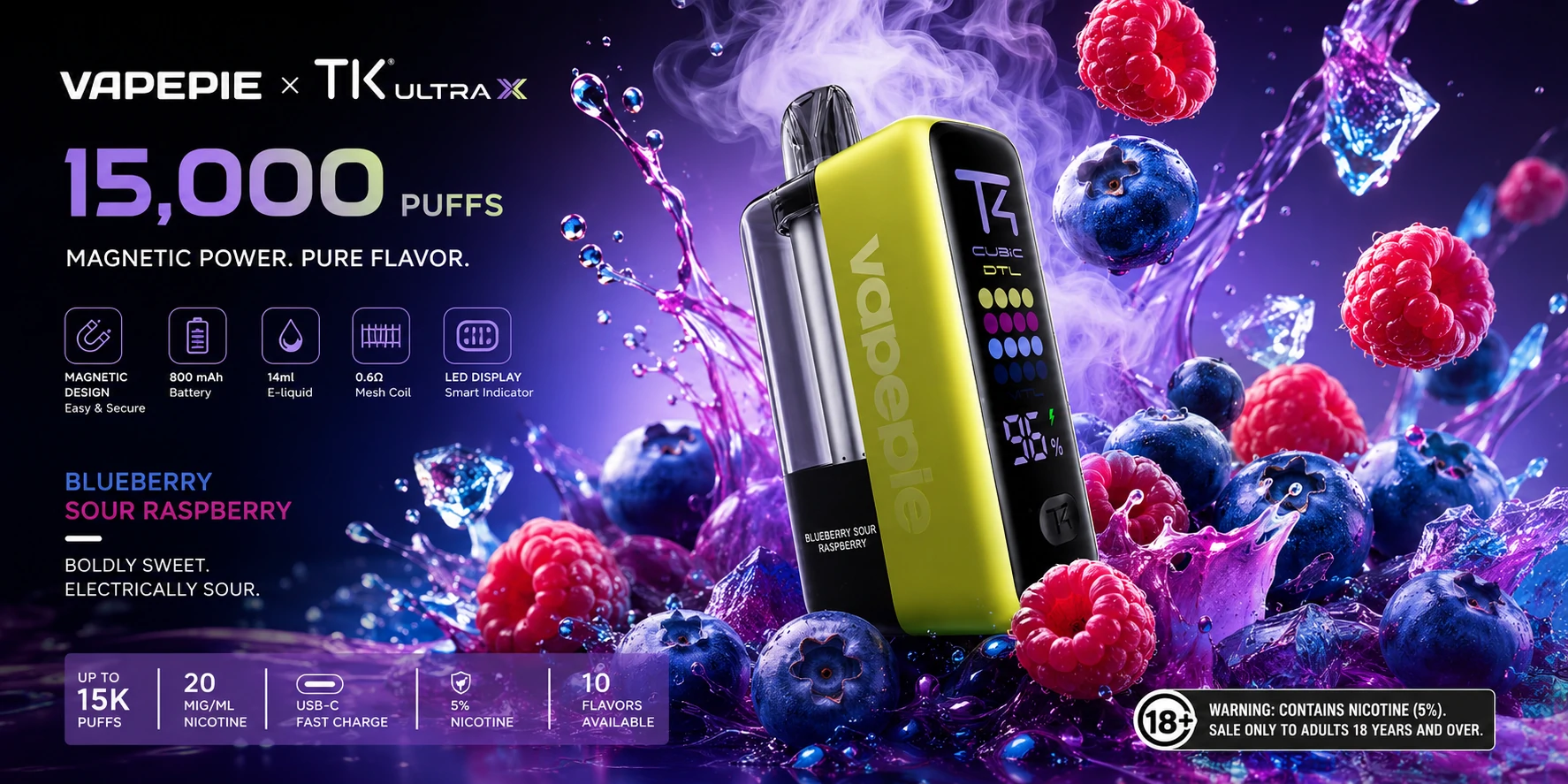
A single JUUL pod contains as much nicotine as an entire pack of cigarettes. Nicotine exposure during adolescence can disrupt brain development, impairing attention, learning, and memory. The sleek design, sweet flavors (now banned in many states but still widely available), and social media normalization have created a perfect storm. What started as a smoking-cessation tool has morphed into a lifestyle product for the under-18 set. The 'safer' narrative never accounted for this.
The policy response has been a patchwork. The FDA's 2020 flavor ban excluded menthol and disposable devices, leaving a massive loophole. Meanwhile, states like California and Massachusetts passed stricter laws, and online retailers continue to exploit enforcement gaps. A 2022 study found that 70% of teen vapers use flavored products, and despite federal restrictions, brands like Elf Bar and Puff Bar have filled the void with high-nicotine, brightly packaged disposables. The regulation game is playing catch-up.
What can parents do? First, recognize the signs: chargers that look like USB drives, sweet scents (cotton candy, mango), and devices that resemble highlighters. Second, have the conversation early—not as a lecture, but as a health discussion. Third, know that quitting vaping is harder than many teens expect, due to the high nicotine concentration. Resources like the Truth Initiative's 'This is Quitting' text program offer targeted support. Early intervention matters more than punishment.
For policymakers, the data demands action: ban all flavored tobacco products, close the online sales loophole, and fund cessation programs specifically designed for young people. The industry has proven it won't self-regulate. The question is whether we value a 'safer' adult alternative more than protecting a generation from lifelong addiction. The answer should be clear.
In the end, the vaping debate isn't about absolutes—it's about trade-offs. Harm reduction for smokers is a legitimate public health goal. But not at the cost of a new generation's cognitive health. The true measure of success will be whether we can reduce adult smoking without creating a new addiction crisis. Right now, the scale is tipping in the wrong direction.