The Vape Evolution: How Disposable E-Cigarettes Are Rewriting the Rules of Nicotine Consumption
Explore the rise of disposables, their impact on smokers, the psychology of flavors, and what the future holds for the industry.
In the ever-evolving landscape of nicotine consumption, disposable e-cigarettes have emerged as a disruptive force, challenging traditional smoking habits and reshaping the industry. As of 2026, the global disposable vape market has surged past $8 billion, with no signs of slowing down. This article delves into the phenomenon, exploring why disposables have become the go-to choice for many, the psychology behind their appeal, and the implications for public health and regulation.
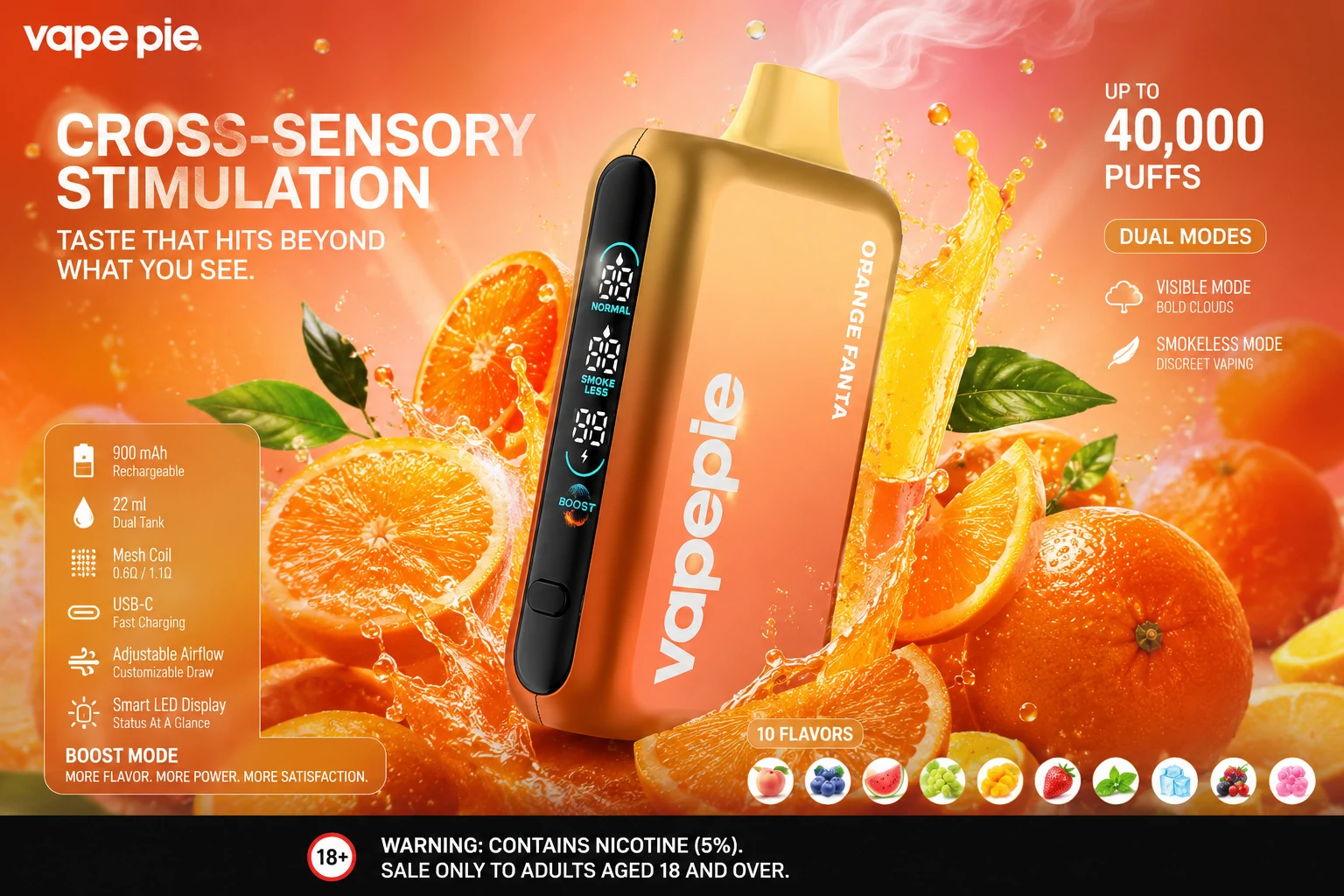
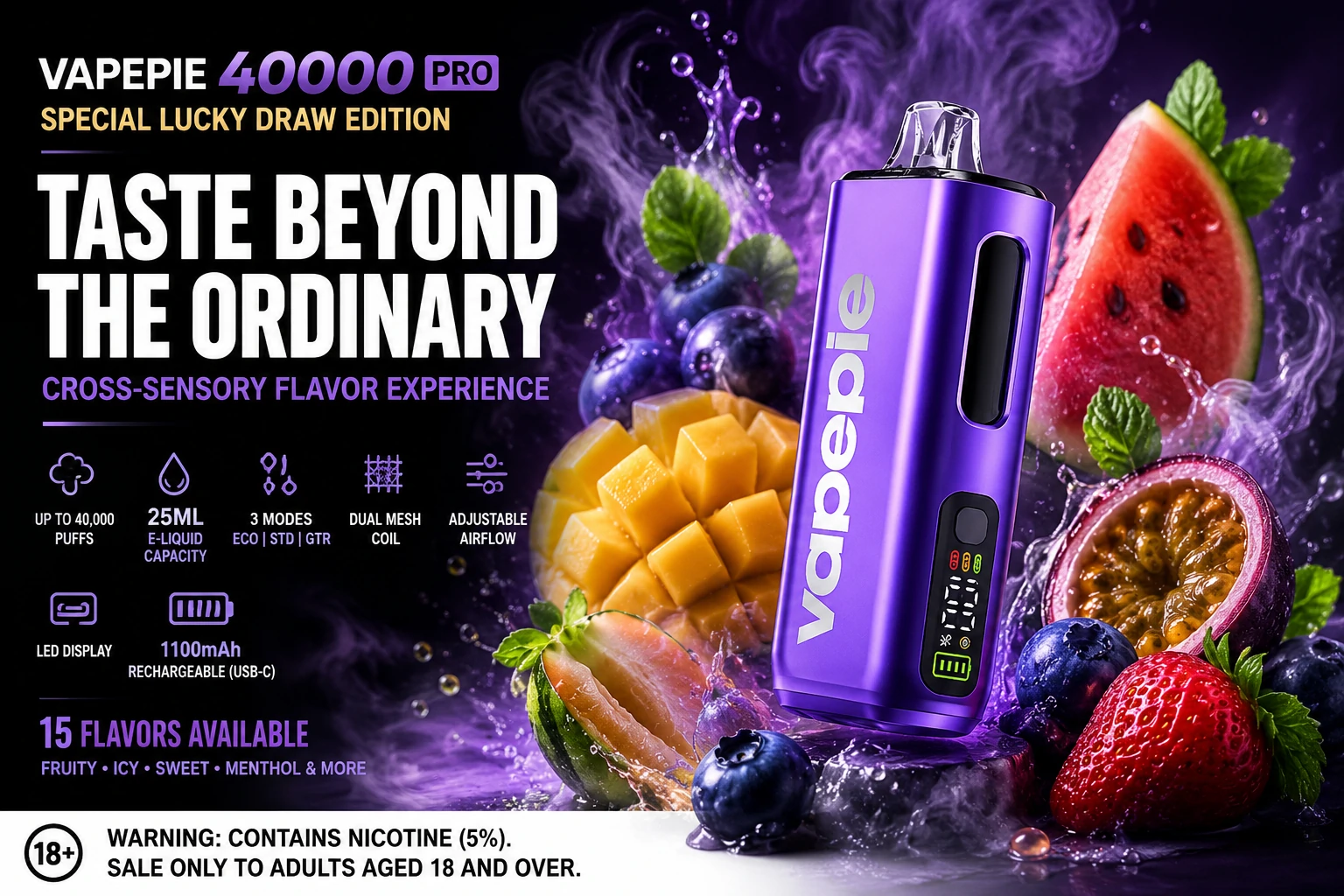
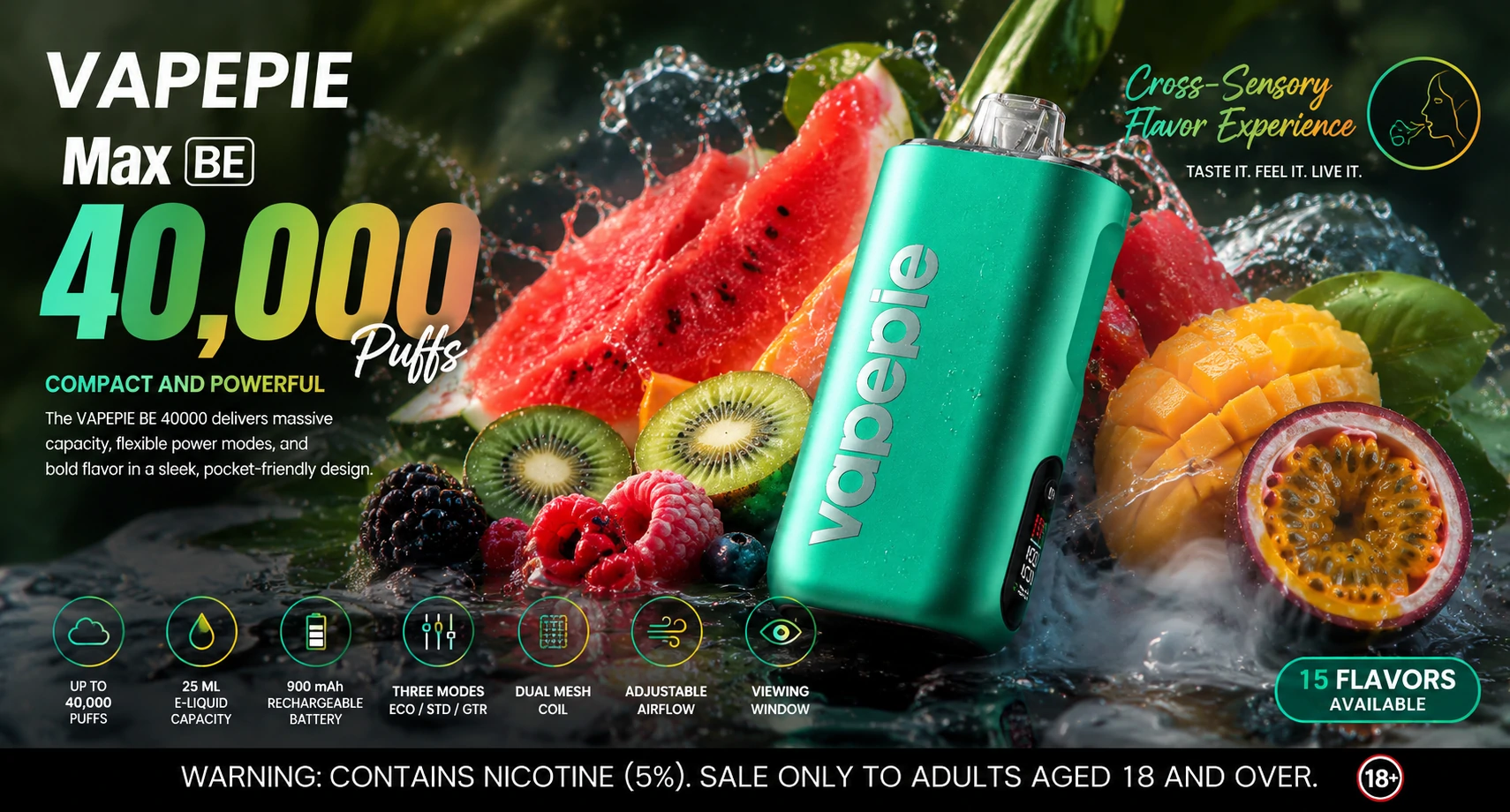
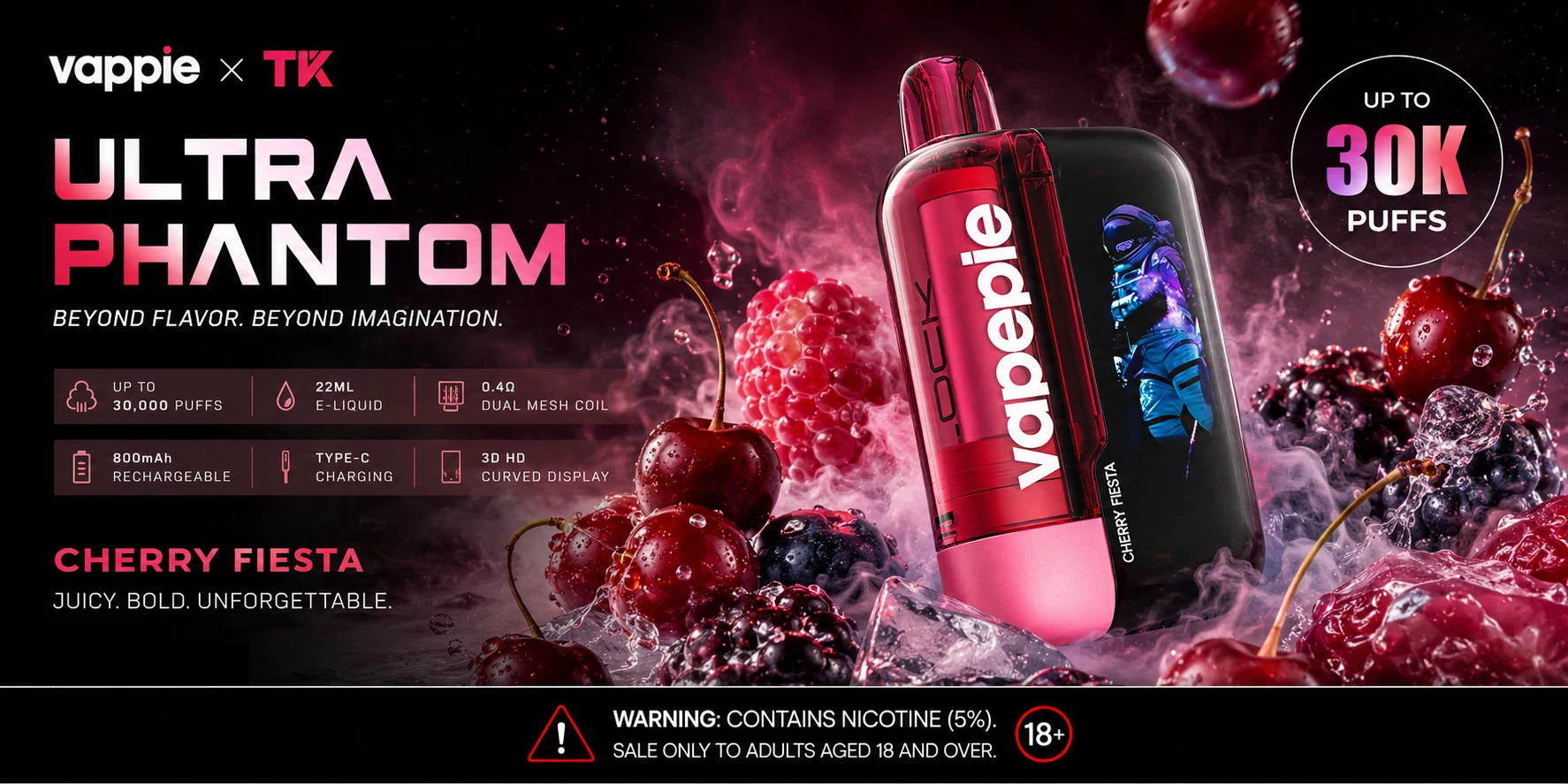
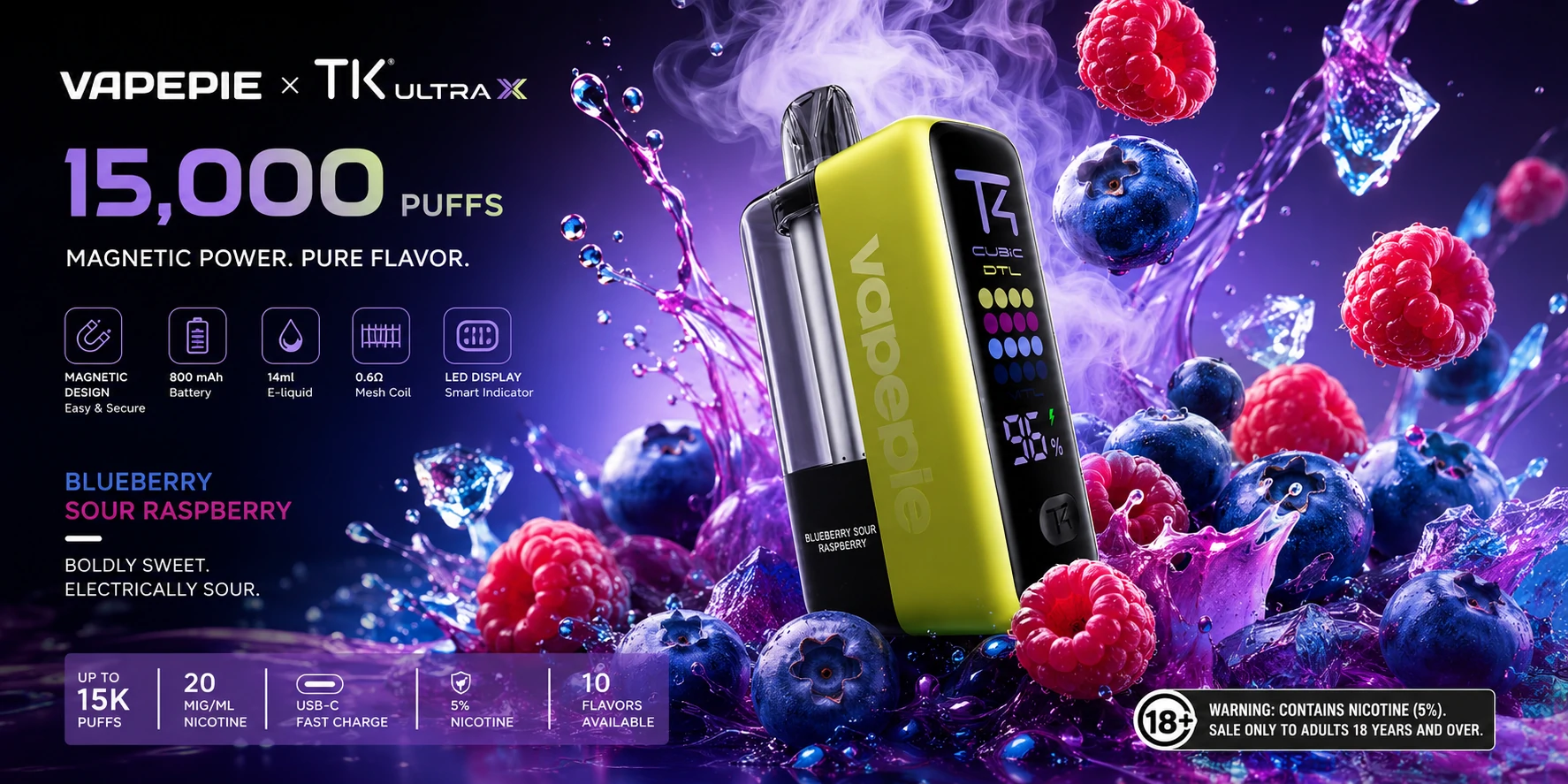
The rise of disposables is not just a trend; it's a response to unmet needs. For traditional smokers, disposables offer a convenient, no-fuss alternative to cigarettes, eliminating the need for lighters, ashtrays, and lingering odors. For novice smokers, they provide a low-barrier entry into nicotine consumption, often with enticing flavors like mango ice or blueberry raspberry. The appeal is undeniable: no maintenance, no charging, just puff and toss. This ease of use has made disposables a top choice among 18-34 year-olds, with a 2025 survey revealing that 62% of vapers prefer disposables for their portability and simplicity.
But the convenience comes with a catch. The high nicotine content in many disposables, often 5% or more, can lead to rapid addiction. Unlike traditional cigarettes, which deliver nicotine gradually, disposables provide a potent hit that can hook users quickly. This has raised concerns among public health officials, who worry that disposables may serve as a gateway to long-term nicotine dependence, especially among youth. The 2026 National Youth Tobacco Survey found that 1 in 5 high school students reported using e-cigarettes, with disposables being the most commonly used device.
The flavor factor cannot be ignored. From cool mint to strawberry cheesecake, flavors are a major driver of disposable vape sales. They mask the harshness of nicotine, making it easier for beginners to inhale deeply. This has led to a regulatory crackdown in several countries, with bans on flavored vapes being implemented to curb youth uptake. However, industry insiders argue that flavors are essential for adult smokers looking to quit, as they provide a more enjoyable alternative to tobacco. The debate continues, but one thing is clear: flavors are a double-edged sword.
Looking ahead, the disposable vape market is poised for further innovation. Smart disposables with Bluetooth connectivity and usage tracking are on the horizon, offering users a more personalized experience. Meanwhile, regulatory pressures may push manufacturers towards lower nicotine concentrations and child-resistant packaging. The industry is at a crossroads, balancing consumer demand with public health concerns. As we navigate this complex landscape, one question remains: will disposables ultimately help or hinder the fight against smoking?
For consumers, the key takeaway is to be informed. Understand the nicotine strength, the ingredients, and the potential risks. If you're a smoker looking to quit, consider using disposables as a stepping stone, but set a plan to eventually reduce nicotine intake. If you're a novice, think twice before starting. The choice is yours, but knowledge is power. As the industry evolves, staying educated is your best defense.
What's your take on the disposable vape trend? Are they a helpful tool for quitting or a new trap? Share your thoughts in the comments below. And if you found this article insightful, don't forget to share it with someone who might benefit from a deeper understanding of the vape evolution.