The Truth About Nicotine: Why Your Brain Keeps Craving It
Explore the science of nicotine addiction: how it hijacks your brain, why quitting is so hard, and practical tips for smokers and vapers.
Nicotine is one of the most addictive substances on the planet—more so than cocaine or heroin for many users. But why? The answer lies in how it hijacks your brain's reward system. When you inhale nicotine, it reaches your brain in seconds, triggering a flood of dopamine. That's the 'pleasure' signal that keeps you coming back, even when you know it's harming you.
Over time, your brain adapts. It reduces its natural dopamine production and builds more nicotine receptors. Now you need more nicotine just to feel normal. Craving isn't weakness—it's neurochemistry. For e-cigarette enthusiasts, this means even 'zero-nicotine' vapes can rewire reward pathways through habit and flavor associations.
Here's a crucial insight: the average smoker tries to quit 6–11 times before succeeding. That's not failure—it's the process. Each attempt rewires neural pathways, making the next one stronger. A 2024 study found that smokers who used nicotine replacement therapy (patches, gum) alongside behavioral support were 2.5 times more likely to quit for good.
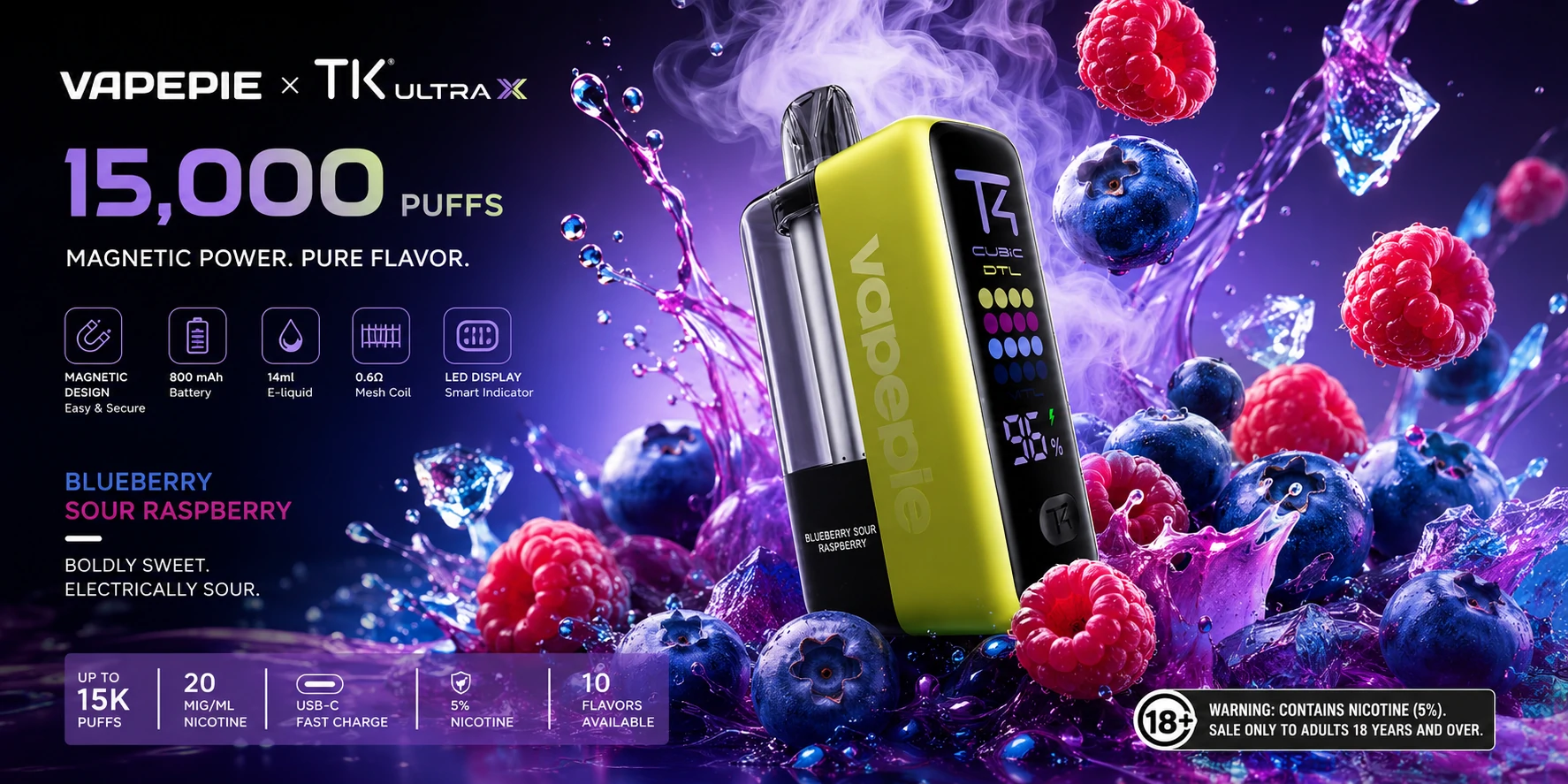
For vapers, the challenge is similar but different. Many switch to e-cigarettes thinking they're 'quitting,' only to end up with a higher nicotine intake. A single high-strength pod can contain as much nicotine as a pack of cigarettes. The key is step-down titration: gradually reducing nicotine levels over weeks, not days.
Consumer psychology reveals another layer: the 'nicotine ritual.' The hand-to-mouth action, the throat hit, the social setting—these become powerful cues. Breaking them requires replacing the ritual, not just the chemical. Try holding a pen, chewing gum, or deep breathing when the urge hits. Your brain will learn new patterns.
A shareable summary sentence: 'Nicotine addiction isn't a moral failure—it's a biological trap. Understanding it is the first step to escaping it.' And a question for the comments: 'If you've tried to quit before, what was the one thing that helped most?'
Bottom line: Whether you smoke, vape, or use nicotine pouches, your brain is playing a chemical game. The good news? You can reprogram it. It just takes time, strategy, and self-compassion. The science is clear—now the choice is yours.