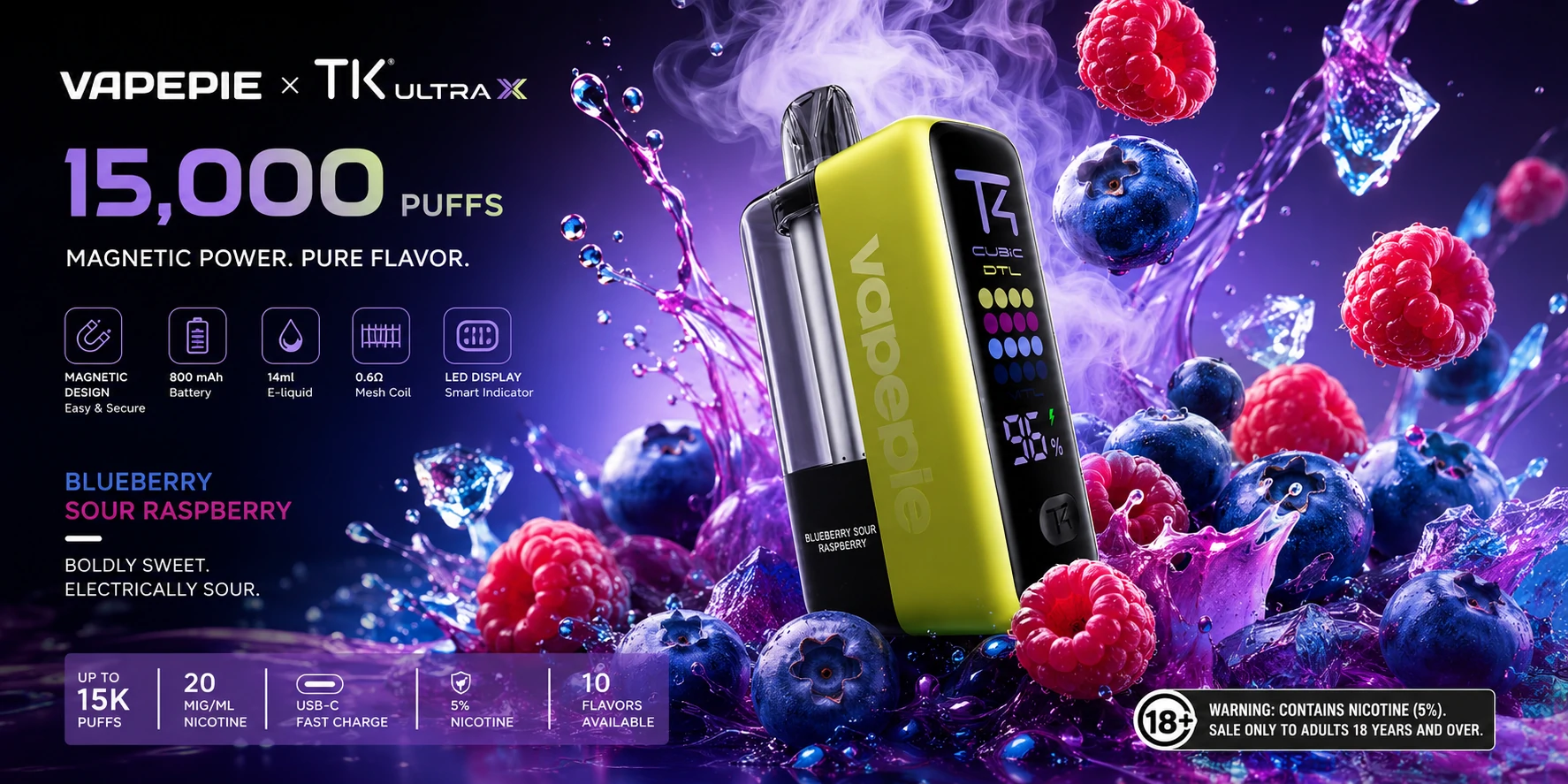
The Social Media Nicotine Pipeline: How Platforms Became the New Tobacco Marketing Channel
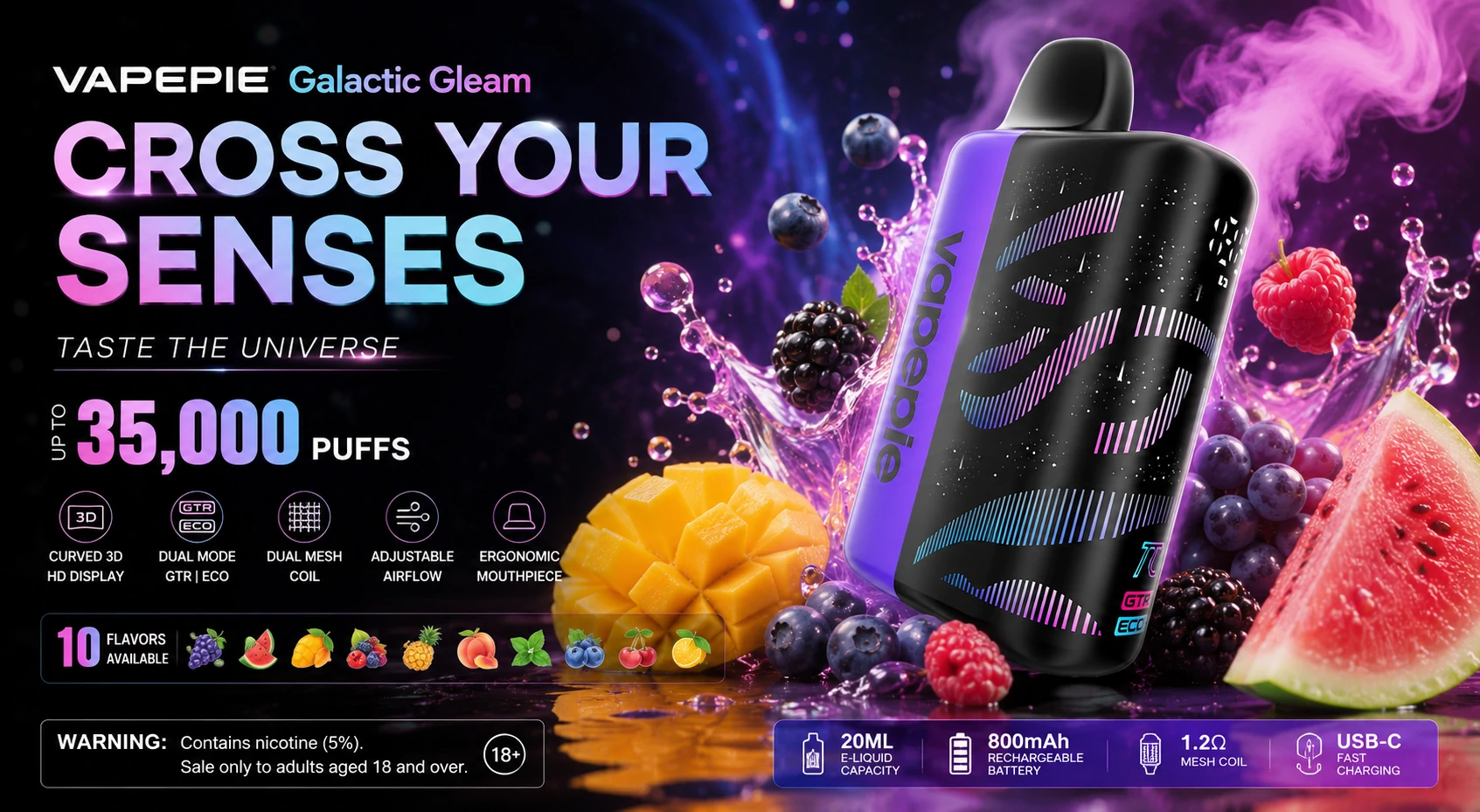
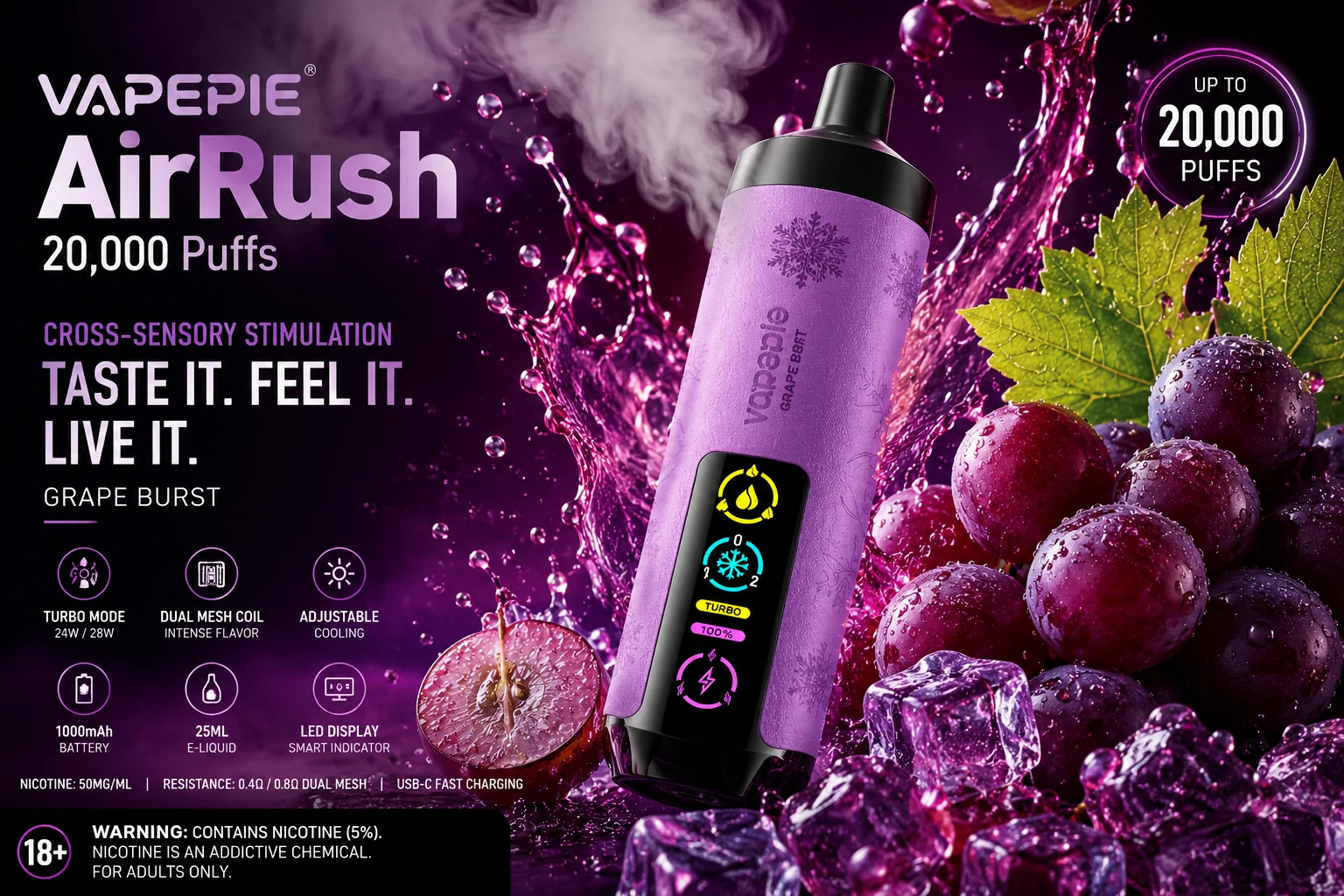
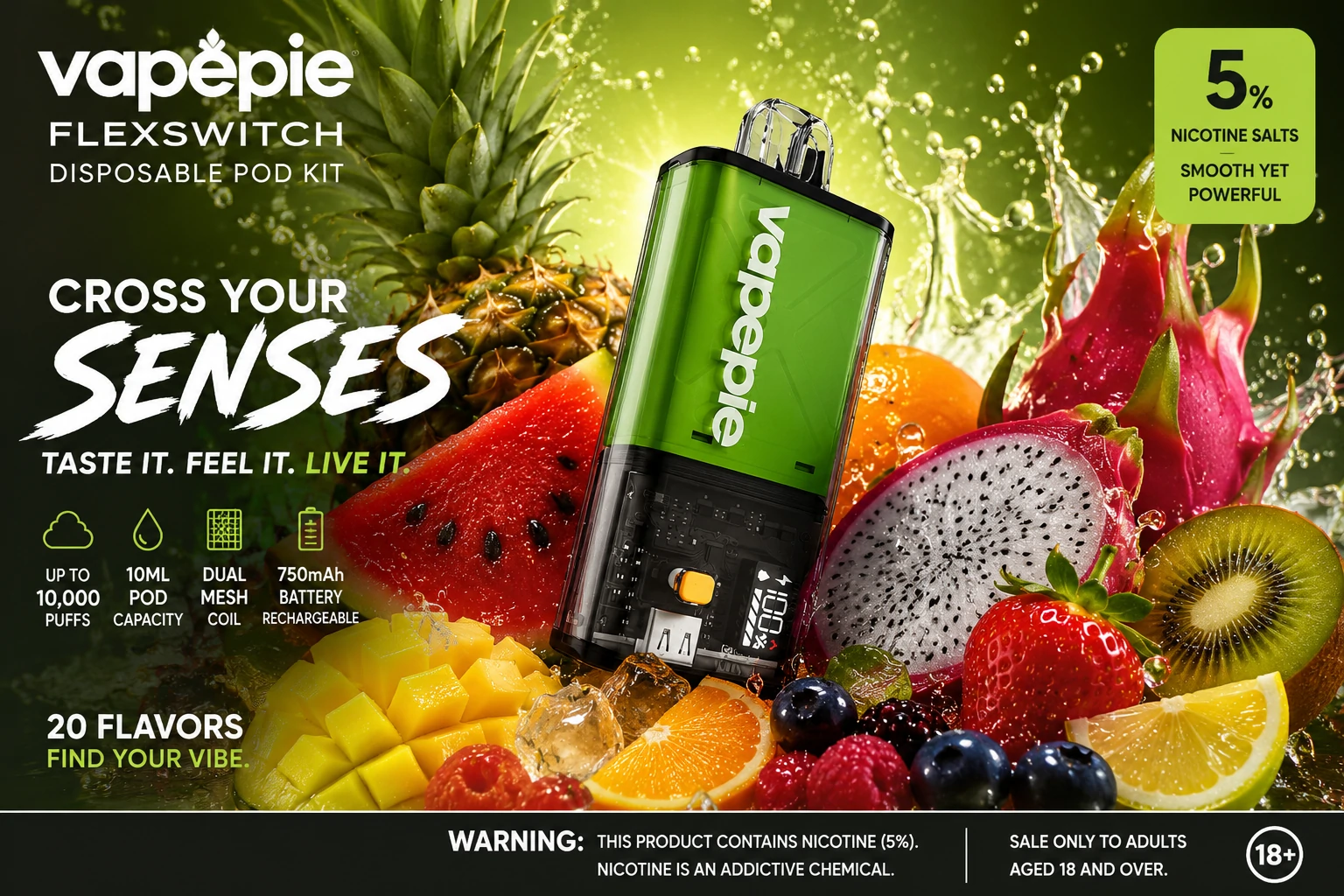
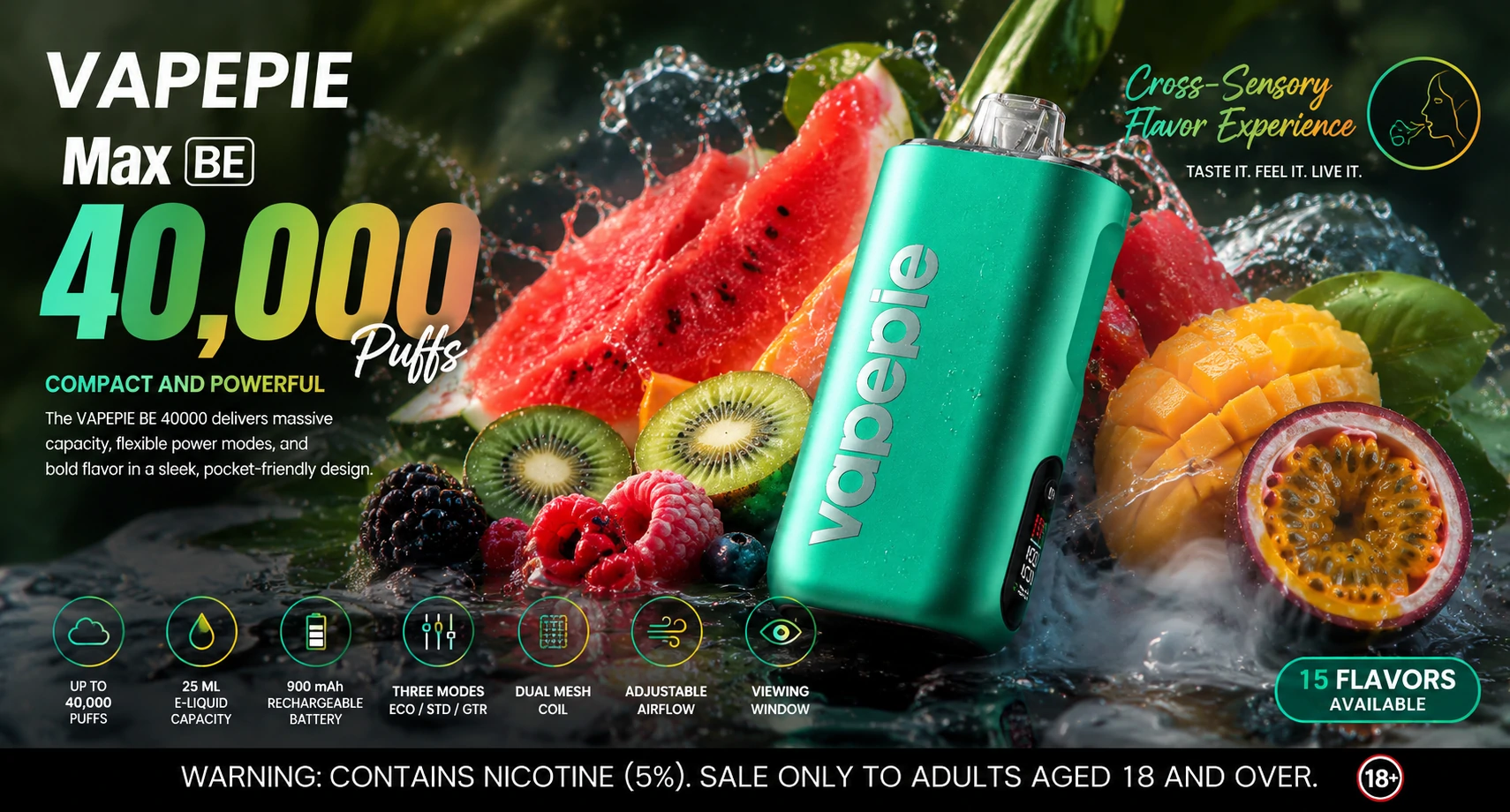
Traditional cigarette advertising has been banned for decades in most countries. But on TikTok, Instagram, and YouTube, nicotine products—particularly flavored vapes and pouches—are reaching audiences that regulation was designed to protect, through channels that regulation never anticipated.
In 1971, the United States banned cigarette advertising on television and radio—a landmark moment in tobacco control that recognized the power of broadcast media to shape consumer behavior. Fifty years later, the advertising ban has been comprehensively outflanked. The most powerful marketing channel for nicotine products is not television, radio, billboards, or print. It's social media—a medium that the 1971 ban and its global equivalents never contemplated, and that existing regulatory frameworks are structurally incapable of governing. The result is a marketing environment where nicotine products reach audiences that advertising bans were designed to protect, through channels that operate largely outside the regulatory perimeter.
The mechanisms are diverse and constantly evolving. Influencer marketing is the most visible: content creators with large youth followings feature nicotine products in lifestyle content, often without explicit disclosure of sponsorship. Hashtag campaigns (#zyn, #vapelife, #disposablevape) generate billions of views, normalizing nicotine use within peer networks that traditional advertising could never access. 'Unboxing' and review videos, ostensibly informational, function as de facto advertisements. User-generated content—memes, challenges, reaction videos—spreads organically, beyond the control of either the platform or the brand. The line between organic content and paid promotion is deliberately blurred, making enforcement of advertising restrictions effectively impossible.
The platforms' role is contradictory. TikTok, Instagram, and YouTube have policies prohibiting the promotion of tobacco products and, in some cases, e-cigarettes. These policies are inconsistently enforced. A 2023 study by the Campaign for Tobacco-Free Kids found that reported violations of TikTok's tobacco advertising policy remained accessible on the platform for an average of 12 days after reporting—an eternity in social media time—and that the platform's algorithm continued to recommend nicotine-related content to users who had engaged with it once. The platforms have both the technical capability and the legal obligation to enforce their own policies more aggressively. They lack the economic incentive to do so—nicotine content generates engagement, and engagement generates ad revenue.
The regulatory response has been reactive and inadequate. The US FDA has sent warning letters to individual influencers and brands, but these are whack-a-mole actions against a problem that is systemic. The FTC's endorsement guidelines require disclosure of material connections between influencers and brands, but enforcement against nicotine-related content is rare. The UK's Advertising Standards Authority has jurisdiction over paid social media content but struggles to identify and act on the volume of violations. The fundamental problem is jurisdictional: the advertising bans of the 20th century were designed for a world of licensed broadcasters and identifiable publishers. They were not designed for a world where anyone with a smartphone can be a publisher, and where the platform distributing the content claims it is not a publisher.
The public health community's response has been similarly inadequate. The dominant strategy—calling for stricter enforcement of existing bans—ignores the structural reality that existing bans cannot govern the social media environment. A more productive approach would involve three elements. First, platform responsibility: requiring social media companies to implement algorithmic changes that reduce, rather than amplify, nicotine-related content, particularly for underage users. Second, counter-marketing: investing in social-media-native public health content that competes with industry messaging on its own terms, using the same formats, creators, and distribution strategies. Third, media literacy: equipping young people with the skills to recognize and resist nicotine marketing in its social media forms, rather than relying on regulatory barriers that platforms and creators will always find ways around.
The deeper question is about the nature of nicotine marketing in the digital age. The advertising bans of the 20th century were based on a model of marketing as one-to-many broadcast communication. The marketing of the 21st century is networked, participatory, and algorithmically amplified. It doesn't look like advertising. It looks like culture. And regulating culture is a fundamentally different challenge from regulating advertising. Recognizing this difference—and developing regulatory approaches that are appropriate to the medium, not just extensions of frameworks designed for a different era—is one of the most urgent but least-discussed challenges in nicotine policy. The young people being reached by #zyn and #vapelife content don't experience it as marketing. They experience it as entertainment, identity, and community. That's what makes it so effective—and so hard to stop.
Shareable insight: The 1971 broadcast advertising ban was a triumph of public health regulation. But it was designed for a world of three television networks, not three billion social media accounts. The nicotine industry has adapted to the new world. Regulation hasn't.