The Real Cost of Convenience: What Disposable Vapes Are Doing to Your Wallet and Your Willpower
Disposable vapes are cheap, easy, and everywhere. But their true cost goes beyond the sticker price—here's what smokers and switchers need to know.
Walk into any convenience store and you'll see them: brightly colored disposables promising thousands of puffs for the price of a couple of coffees. For smokers looking to cut down or quit, they seem like a no-brainer. But that convenience comes with hidden costs—financial, psychological, and even behavioral—that most buyers never calculate. This isn't about whether vaping is 'safe' or 'unsafe.' It's about understanding what you're really paying for when you grab that sleek little device.
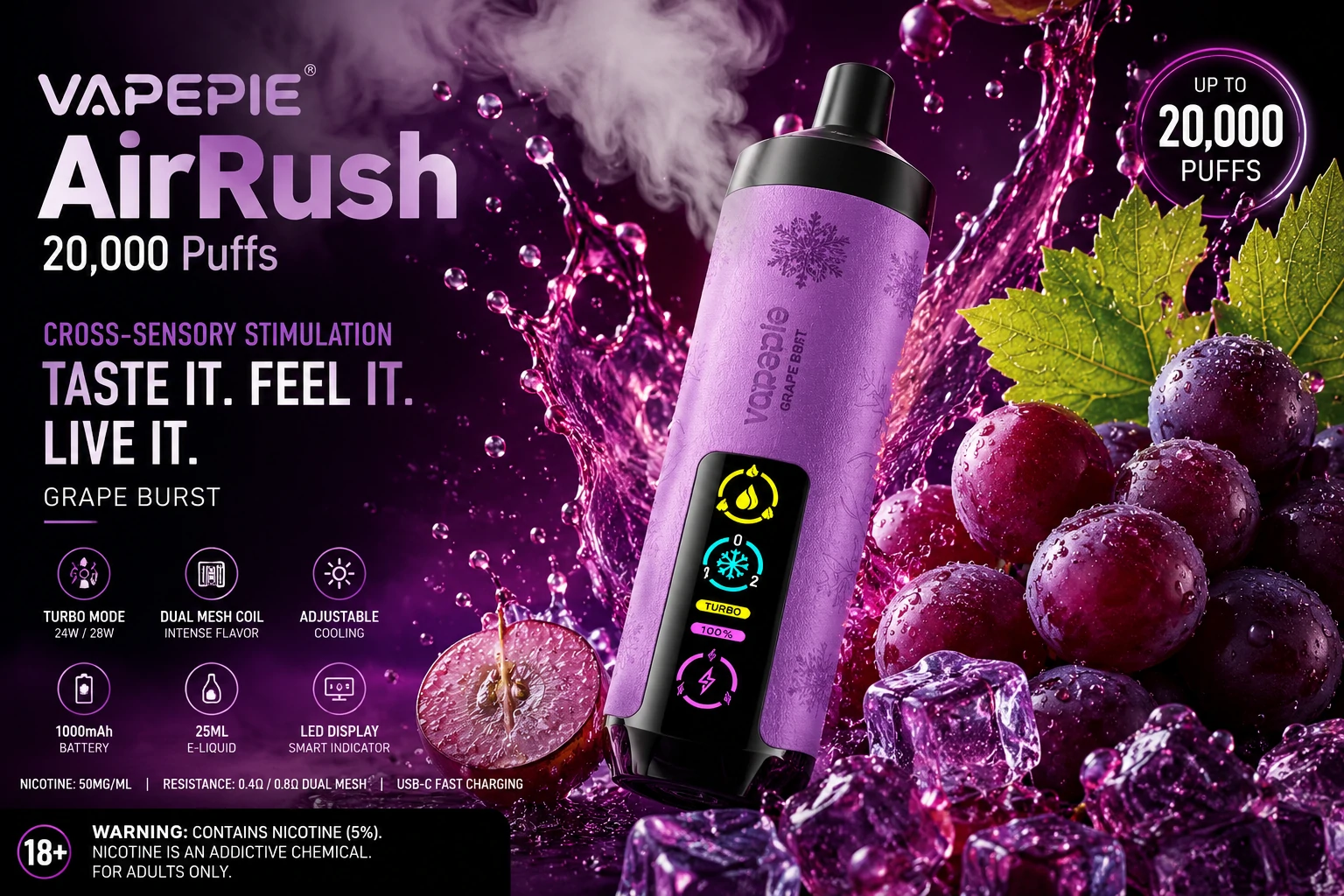
First, the math. A typical disposable vape costs $10–$15 and claims 5,000–20,000 puffs. Sounds like a bargain compared to a $10 pack of cigarettes. But puff counts are wildly inconsistent—many users report finishing a '20,000-puff' device in a week or less. That's $40–$60 a month, often more than smoking. And unlike cigarettes, disposables are bought in cash, on impulse, with no receipt to track. The convenience of not planning ahead quietly turns into a subscription you never signed up for.
Then there's the psychology. Disposables are designed for instant gratification: no charging, no refilling, no maintenance. That ease lowers the barrier to frequent use. You hit it in the car, at your desk, on the couch—places where lighting a cigarette would feel inconvenient or rude. The result? Nicotine intake can creep up without you noticing. Many smokers who switch to disposables find themselves vaping more often than they ever smoked, because the friction is gone. Convenience becomes a trap: the easier it is, the less you think about it.
For traditional cigarette smokers, disposables can be a useful off-ramp—but only if used with intention. The risk is dual use: smoking when you want, vaping when you can't. That keeps you hooked on nicotine while adding a new habit. A better approach is to set a clear quit date and use disposables as a temporary bridge, not a permanent companion. Track your puffs, set limits, and don't let the device become a pacifier. The goal is freedom, not a swap.
The industry knows this. Disposable sales exploded because they're cheap to make, easy to market, and perfectly suited to impulse buying. But regulators are catching on—flavor bans, puff count limits, and environmental rules are already reshaping the market. For consumers, the smart move is to treat disposables like any other vice: know the real cost, set your own rules, and don't let convenience make your decisions for you.
So before you buy that next disposable, ask yourself: are you paying for nicotine, or for the illusion of control? The answer might surprise you. Share your own experience in the comments—how much do you actually spend on vapes each month?