The Psychology Behind Vaping: Why Smokers Switch and New Users Start
Explore the consumer psychology driving e-cigarette adoption—from smoking cessation to flavor appeal—and what it means for the industry.
Why do millions of smokers switch to vaping, and why do so many non-smokers start? The answer isn't just about nicotine—it's about human psychology. Understanding the motivations behind these choices reveals powerful insights for brands, regulators, and users alike.
Flavors are the biggest psychological hook. From mango to mint, they trigger reward centers in the brain, making vaping more appealing than cigarette smoke. This sensory appeal reduces the perceived effort of quitting, turning a health decision into a pleasure-driven habit.
Social identity plays a huge role. Vaping communities offer belonging—from cloud-chasing competitions to online forums. For many, the device becomes a status symbol, a conversation starter, or a signal of tech-savviness. The ritual of building coils or trying new coils reinforces engagement.
Cognitive biases cloud judgment. Smokers often see vaping as 'safe enough' compared to cigarettes, ignoring long-term unknowns. Meanwhile, non-smokers underestimate addiction risk, believing 'just flavored vapor' won't hook them. This optimism bias drives experimentation among young adults.
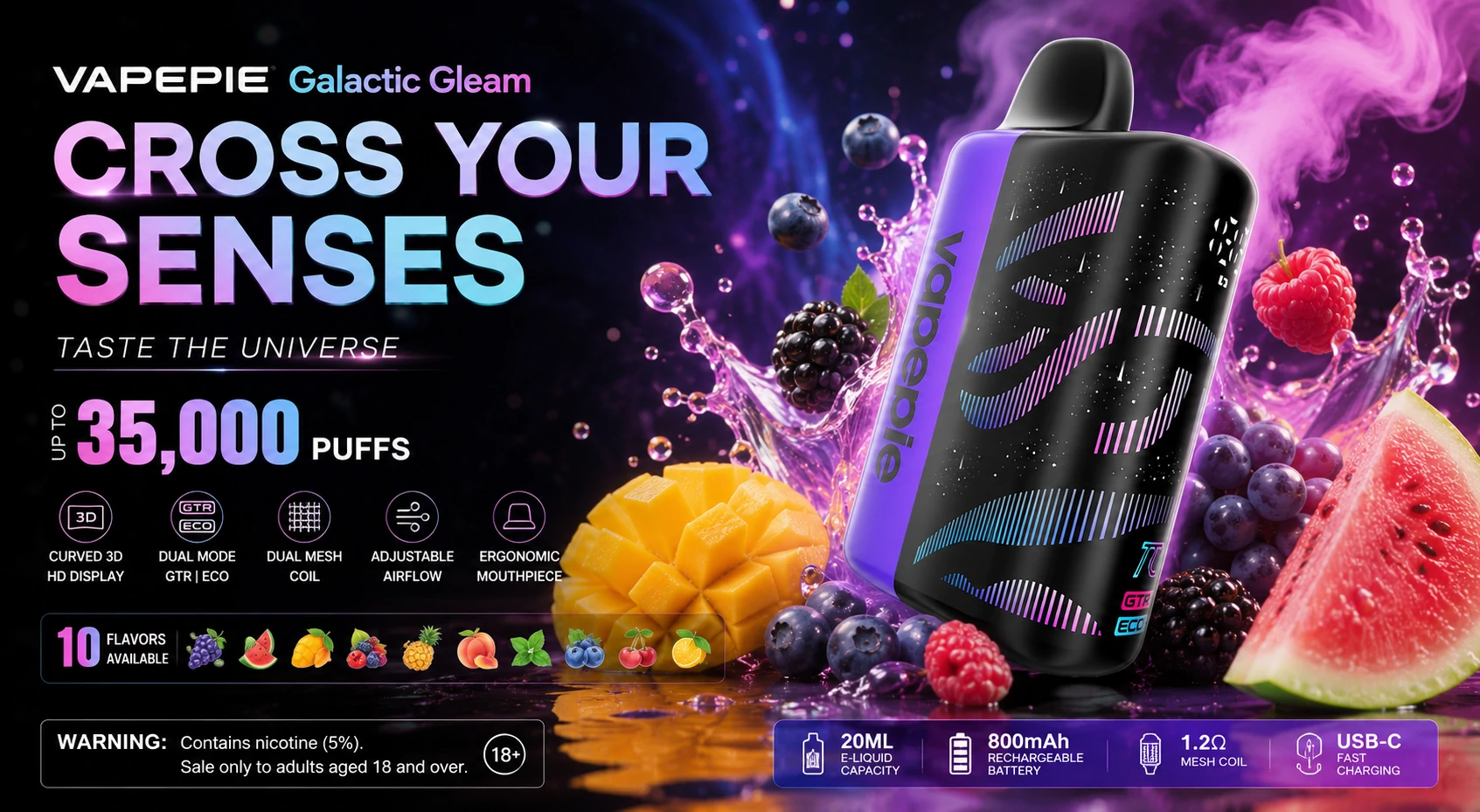
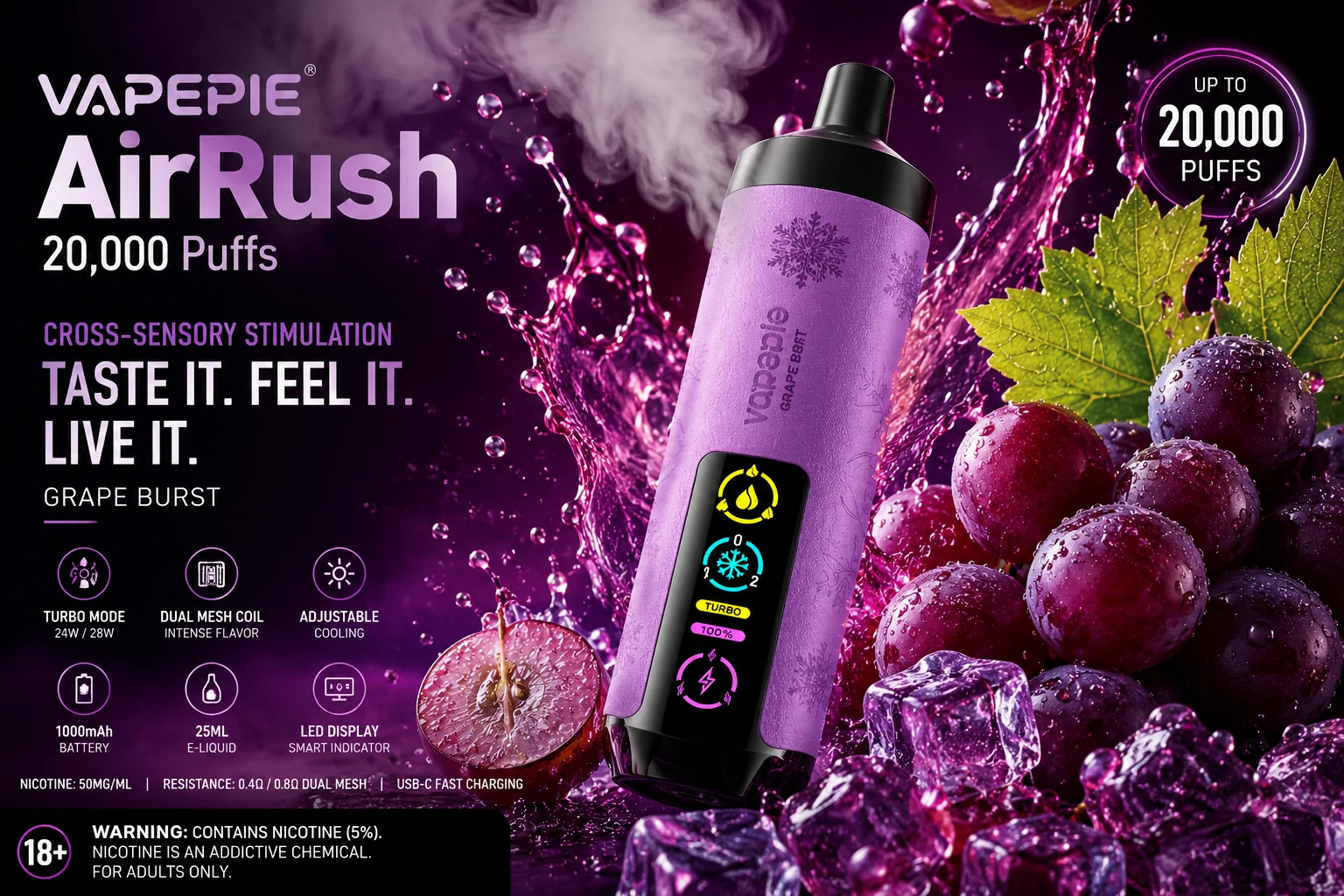
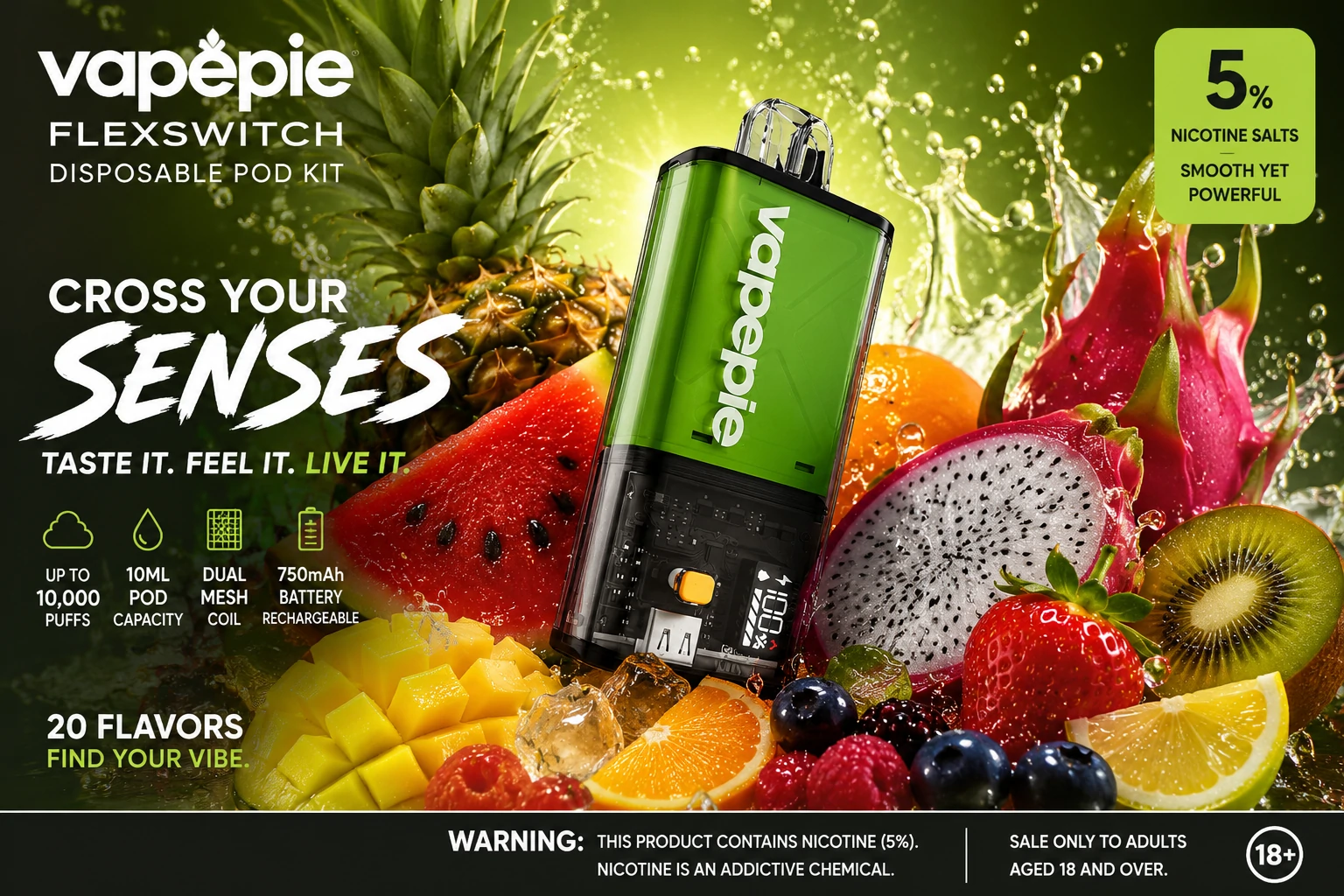
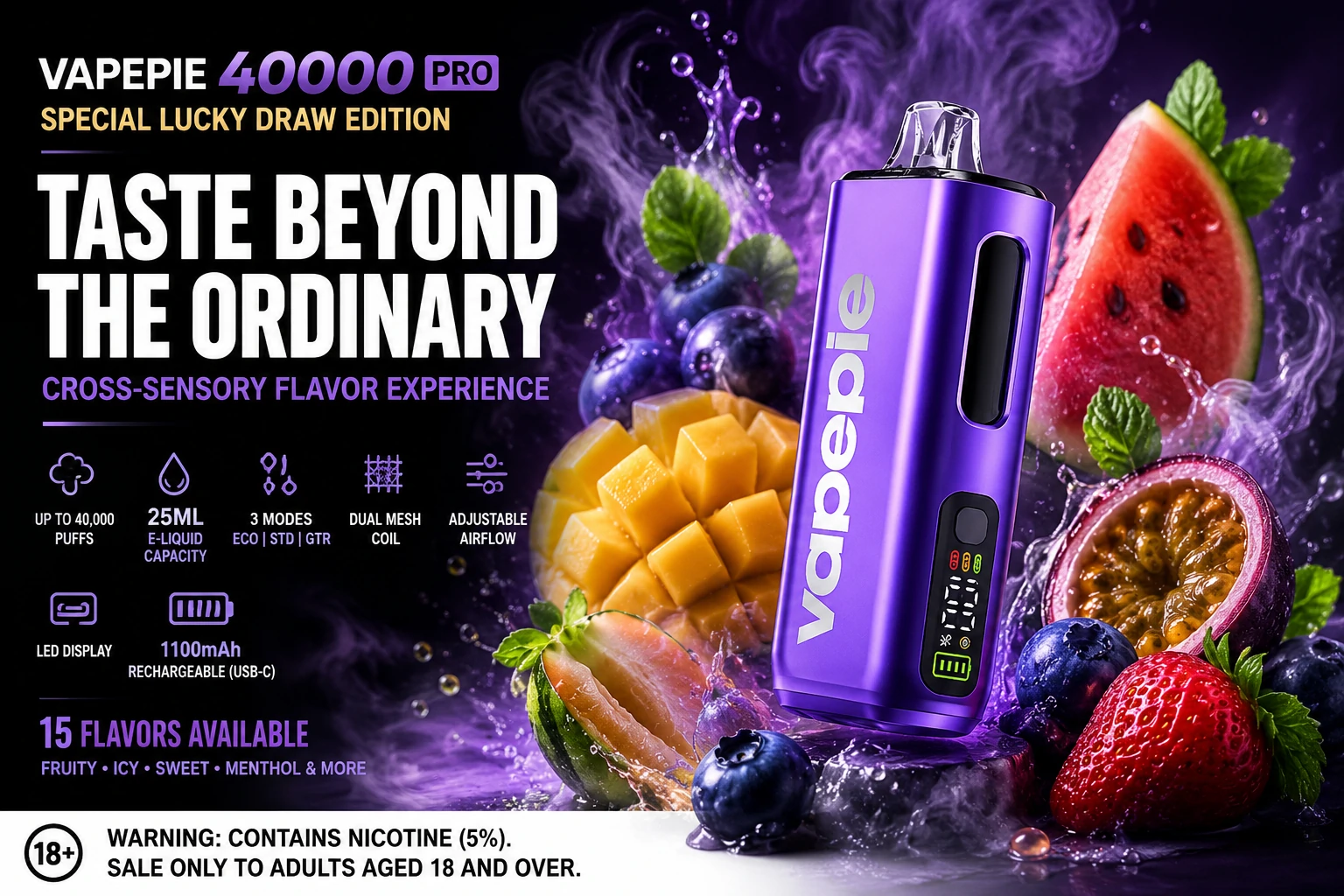
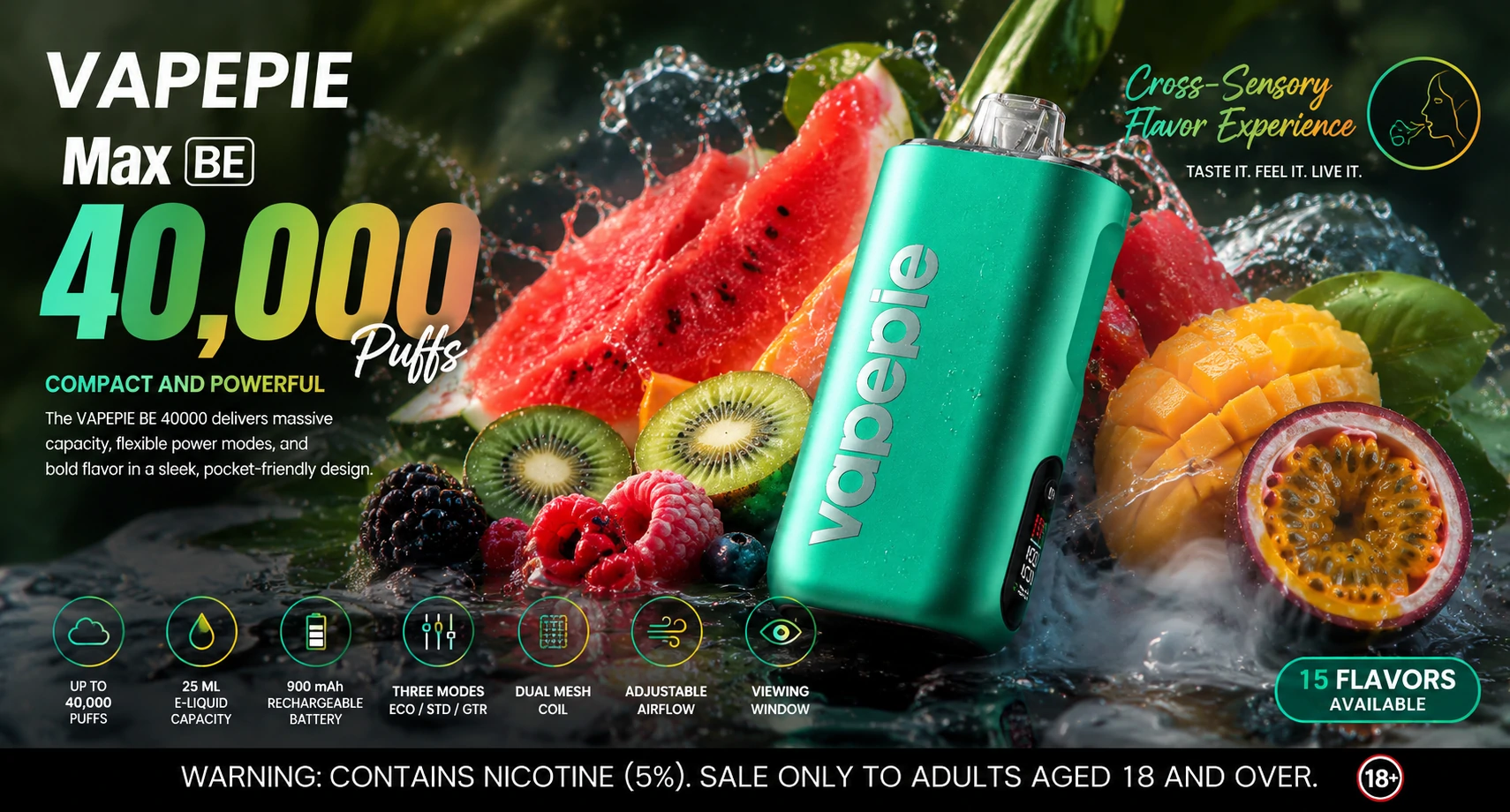
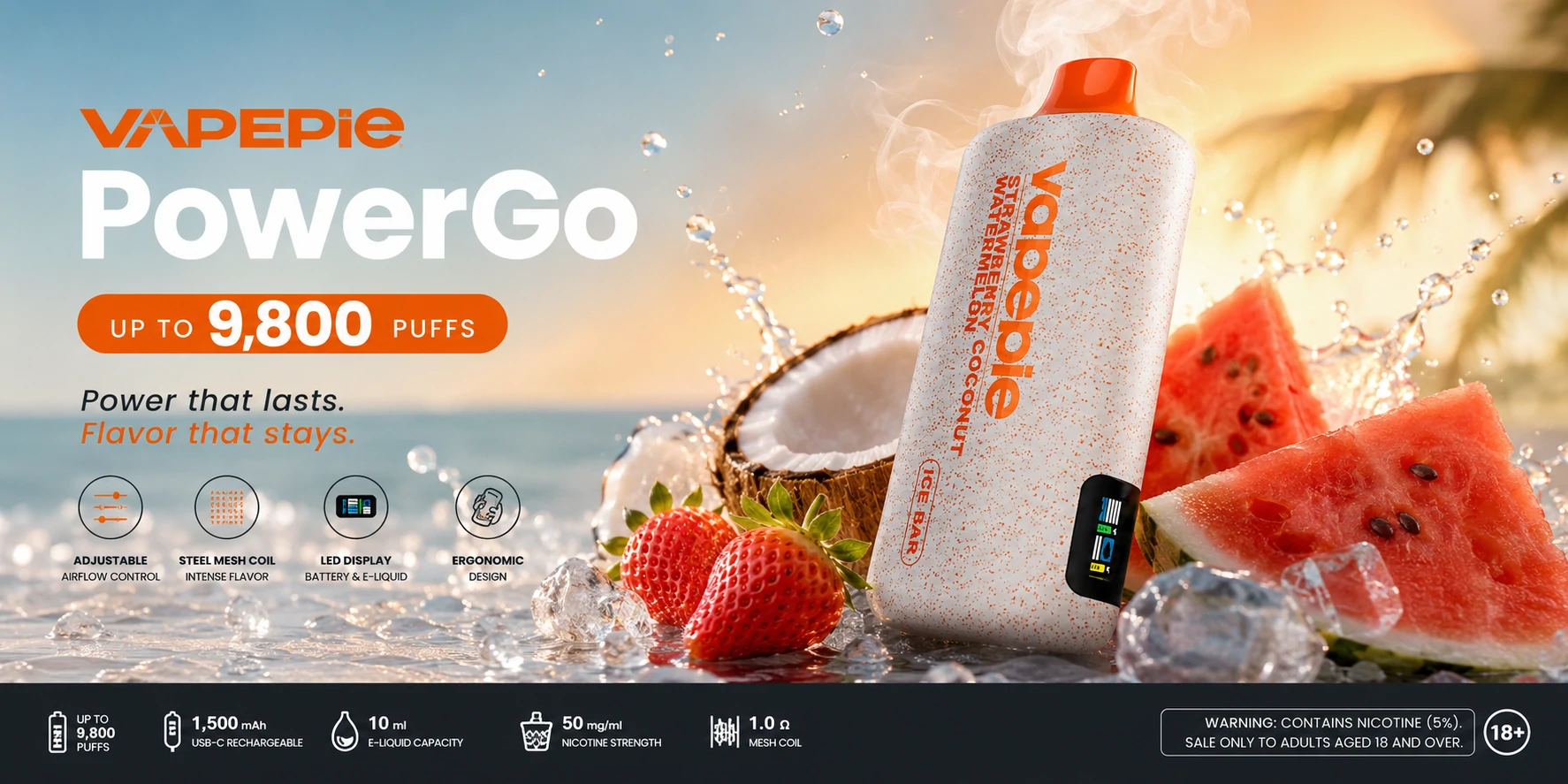
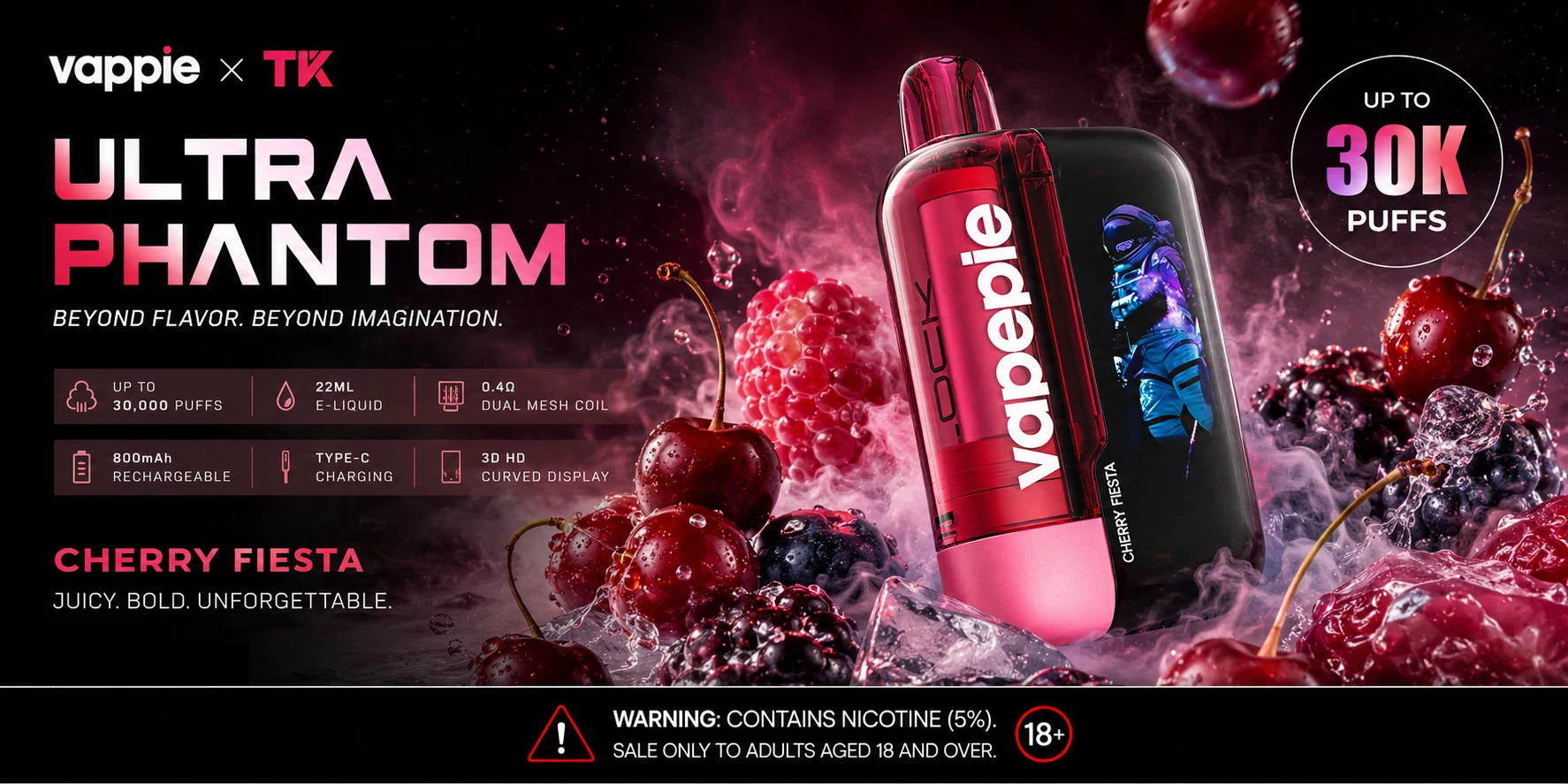
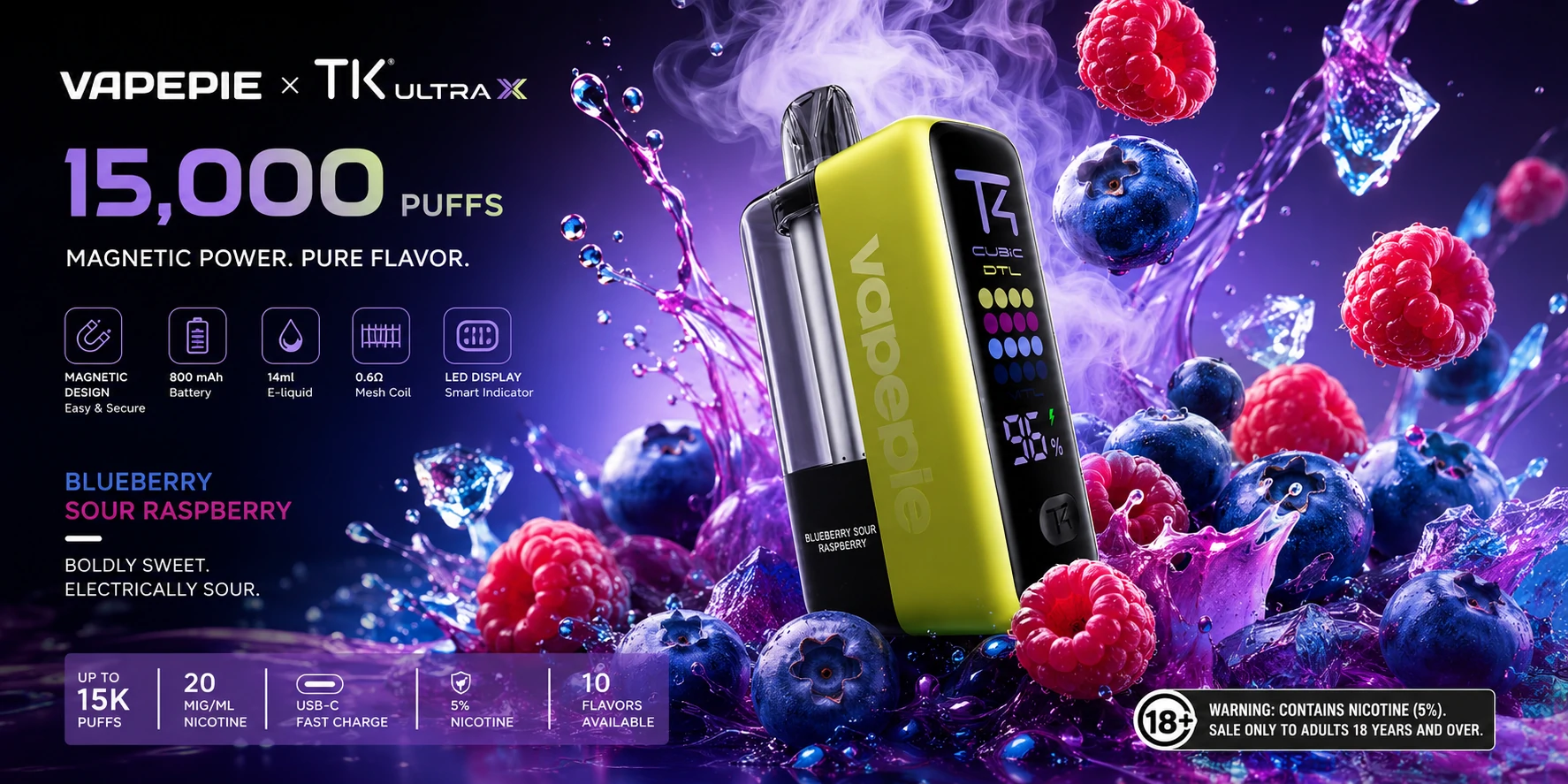
Marketing amplifies these biases. Sleek packaging, celebrity endorsements, and 'wellness' branding make vaping feel modern and clean. Nicotine strength labeling creates an illusion of control, while disposable devices reduce commitment anxiety. Every design element targets a psychological trigger.
For brands and regulators, the takeaway is clear: behavior change hinges on emotion, not logic. Those who grasp these psychological drivers can craft better products, more effective campaigns, and smarter policies. The vape market isn't just about nicotine—it's about human nature.