The PMTA Paradox: How the World's Most Expensive Regulatory Process Created a Black Market
FDA's Premarket Tobacco Product Application process was designed to bring order to the vaping industry. Instead, it created a two-tier market: a handful of authorized products from large corporations, and a vast, thriving underground of everything else.
The PMTA pathway was supposed to be a filter, not a wall. When Congress gave FDA authority over 'deemed' tobacco products in 2016—including e-cigarettes, cigars, and hookah—it required manufacturers to demonstrate that their products are 'appropriate for the protection of public health.' The standard is deliberately high: manufacturers must show that their products benefit the population as a whole, weighing the potential for adult smokers to switch against the risk of youth initiation. The process costs between $1 million and $10 million per product. A single vaping company with ten products, ten nicotine strengths, and five flavors could be looking at $50 million in application costs. The result was predictable: only the largest companies can afford to play.
As of mid-2024, FDA has authorized exactly 23 vaping products and devices—all from major tobacco companies (RJ Reynolds/Vuse, NJOY/Altria, Logic/Japan Tobacco International) or their subsidiaries. Not a single product from an independent vaping company has been authorized. Meanwhile, FDA has issued marketing denial orders for over one million products, and hundreds of thousands more remain in regulatory limbo, neither approved nor denied. The products on the market—the ones you can actually buy at any vape shop in America—are overwhelmingly unauthorized. They exist in a gray zone of non-enforcement that satisfies no one: not the public health advocates who want them off the market, not the industry that wants a path to legitimacy, and not the consumers who want to know whether what they're buying is legal.
The economics of this outcome are perverse. By making the authorization process prohibitively expensive, FDA has effectively granted a regulatory monopoly to the cigarette companies that the Tobacco Control Act was supposed to constrain. Altria, Reynolds, and JTI can afford the PMTA process because they have billions in cigarette revenue to fund it. The independent vaping companies that drove the early innovation in the category—and that, by many accounts, produce products more appealing to adult smokers trying to switch—cannot. The regulatory framework designed to protect public health has, in practice, concentrated the vaping market in the hands of the companies that spent the last century selling the deadliest consumer product in history.
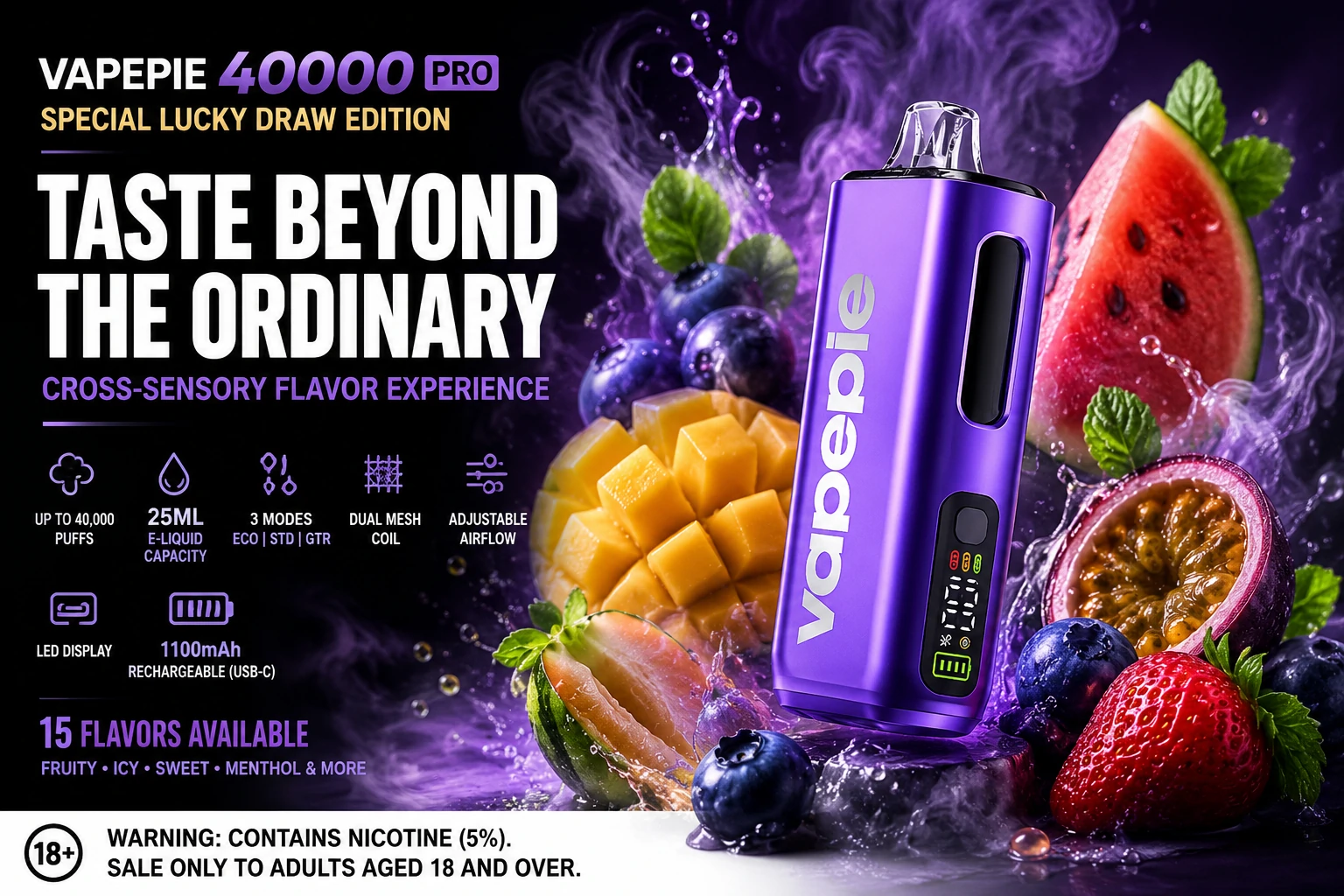
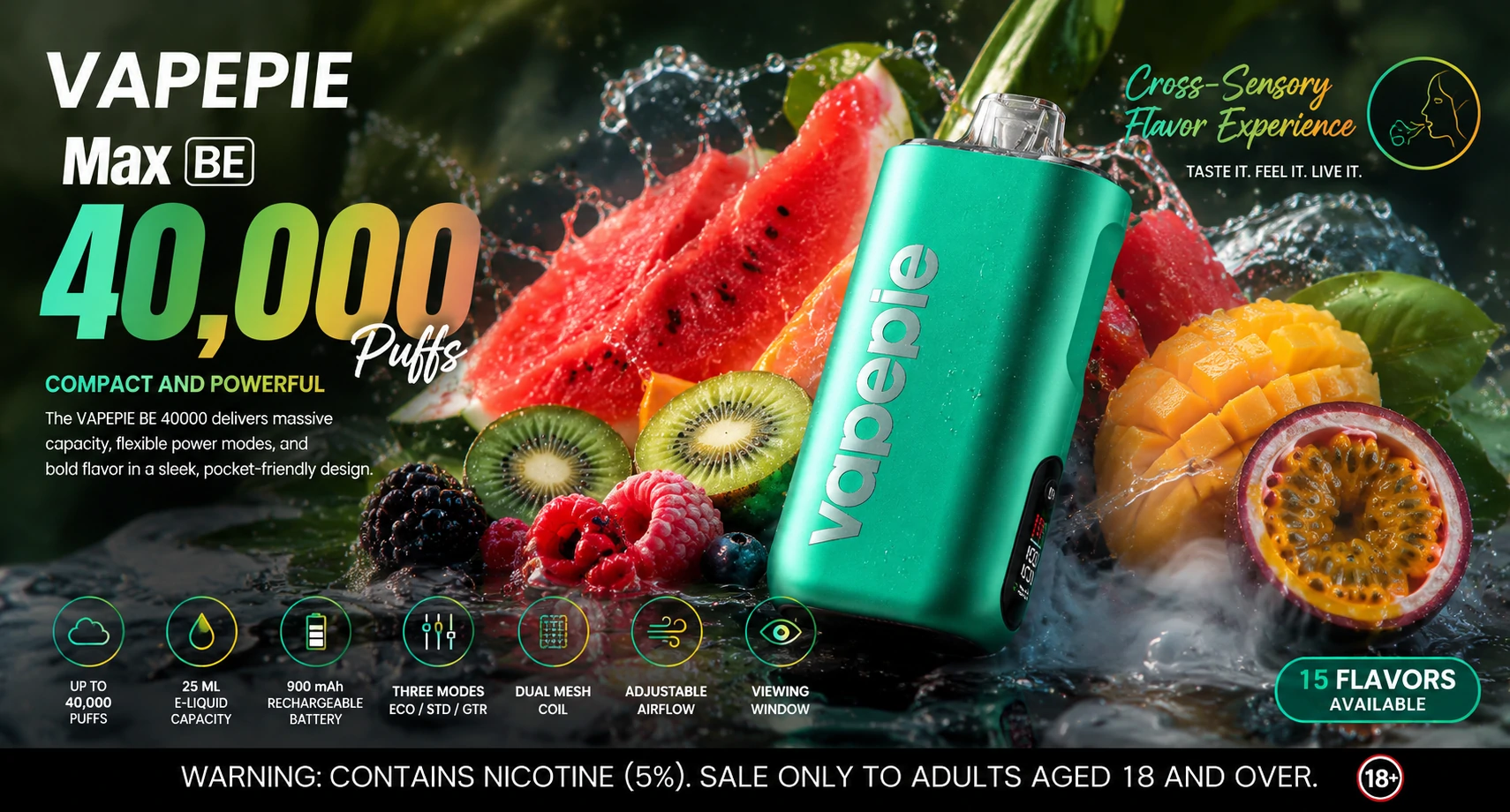
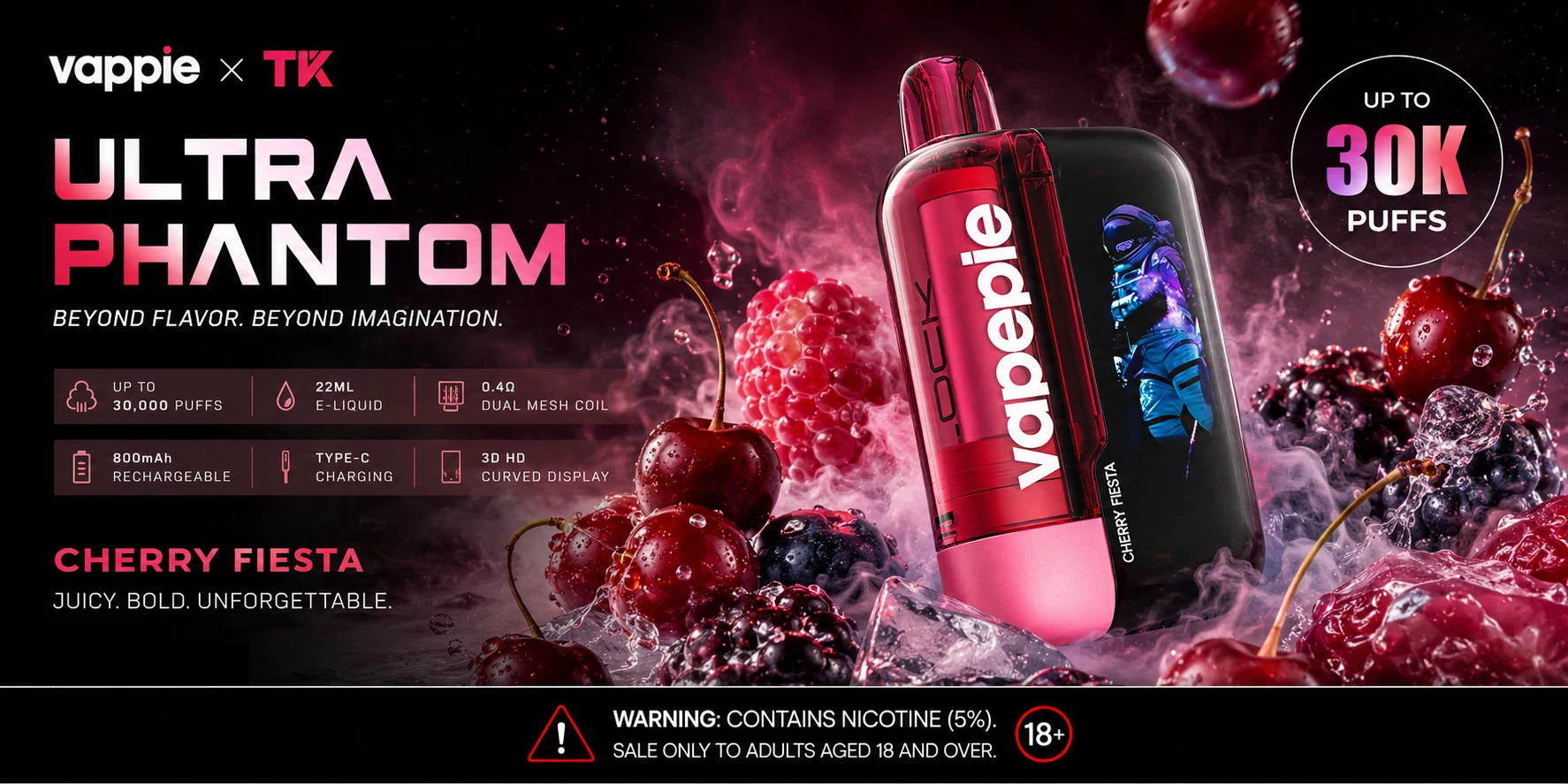
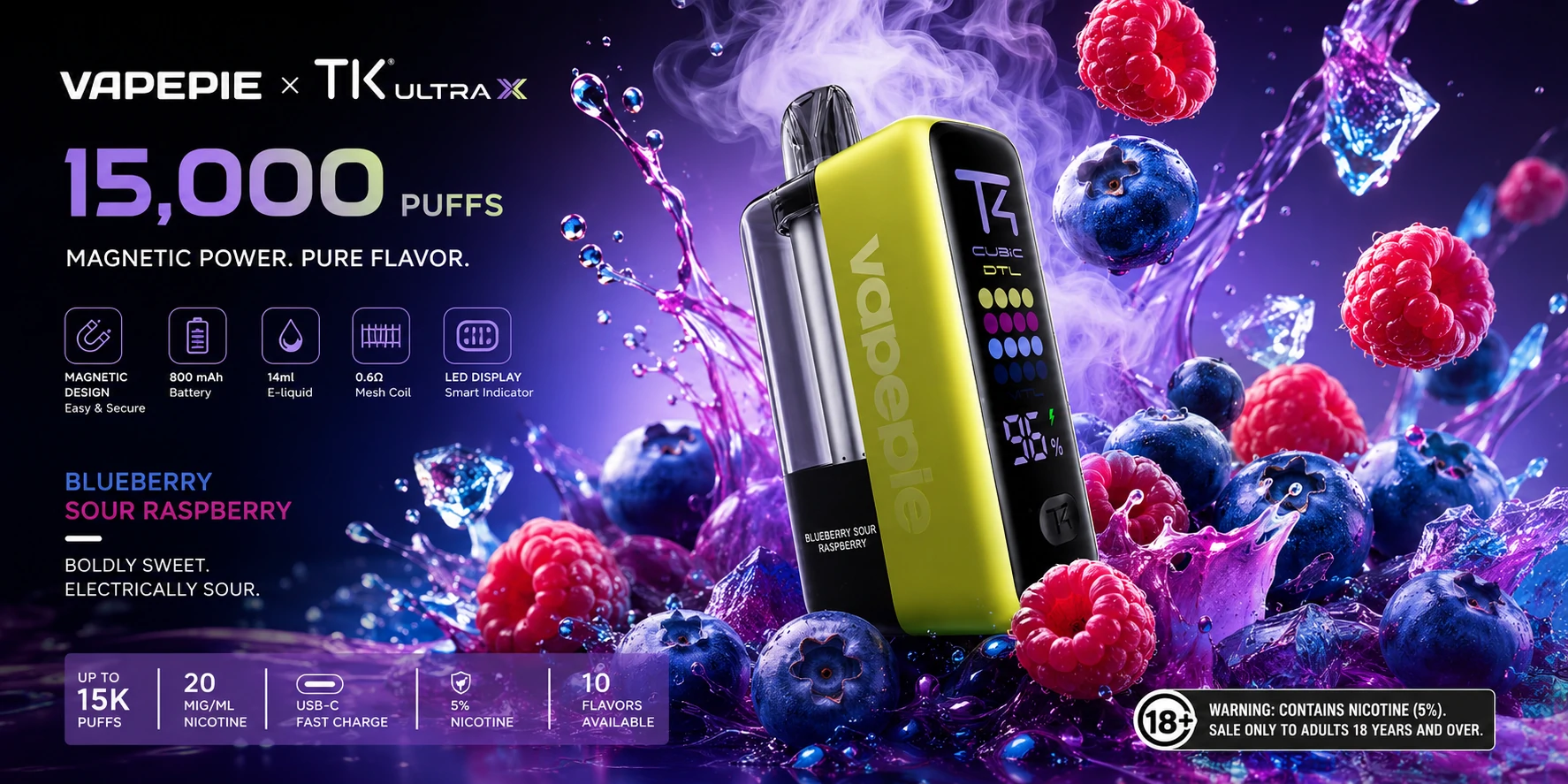
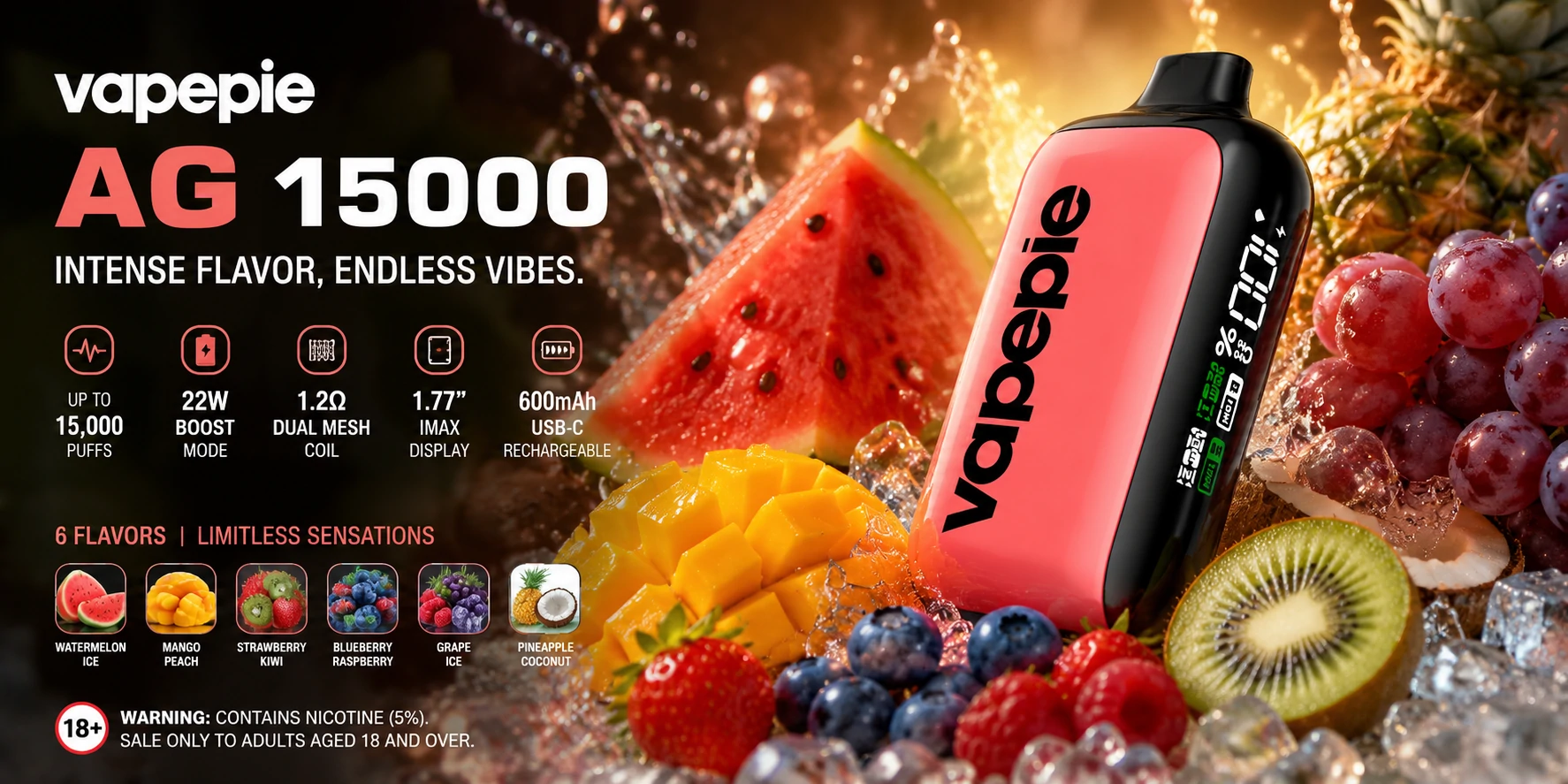
The black market that has emerged in response is not hidden. Walk into any vape shop, gas station, or convenience store in America, and the shelves are filled with products—primarily flavored disposables from Chinese manufacturers—that have either been denied authorization or never applied. These products enter the country through a porous supply chain, distributed through networks that have learned to operate outside the regulatory perimeter. FDA's enforcement capacity is, by any honest assessment, overwhelmed. The agency has issued warning letters, pursued import alerts, and coordinated with Customs and Border Protection, but the volume of unauthorized product entering the country exceeds the enforcement infrastructure by orders of magnitude.
The PMTA paradox illuminates a broader tension in regulatory design. When you set a compliance standard that is economically unattainable for most market participants, you don't eliminate the market—you eliminate the compliant participants. The demand doesn't disappear. It migrates to the suppliers who don't care about compliance. The history of prohibition—alcohol, drugs, gambling—teaches this lesson repeatedly, but regulatory agencies seem determined to relearn it. The vaping market today looks less like a regulated consumer product market and more like a market transitioning from regulated to illicit, with the regulated segment shrinking relative to the unregulated one every quarter.
Reform proposals are circulating but politically stuck. A tiered PMTA pathway—with a streamlined, lower-cost option for products that are substantially equivalent to already-authorized devices—would preserve safety review while reducing the barrier to entry. A dedicated enforcement fund, resourced by user fees on all nicotine products (authorized and unauthorized), would give FDA the capacity to actually enforce the authorization decisions it makes. Both proposals face opposition: from the abstinence-only advocacy groups that oppose any pathway to market for vaping products, and from the major tobacco companies that benefit from a regulatory structure that eliminates their independent competitors. The status quo, as dysfunctional as it is, has powerful beneficiaries.
Shareable insight: A regulatory process that costs $1 million minimum per product doesn't regulate the market—it regulates who gets to participate in the market. When only cigarette companies can afford to comply, the public health mission has been captured by the very industry it was meant to constrain.