The Technological Singularity of Vaping: When Your Vape, Your Phone, and Your Doctor Are the Same Device
The next generation of vaping devices will be connected, data-driven, and integrated with healthcare systems. The 'smart vape' will track consumption, monitor biomarkers, and communicate with your doctor. The technological convergence is inevitable. The privacy implications are enormous.
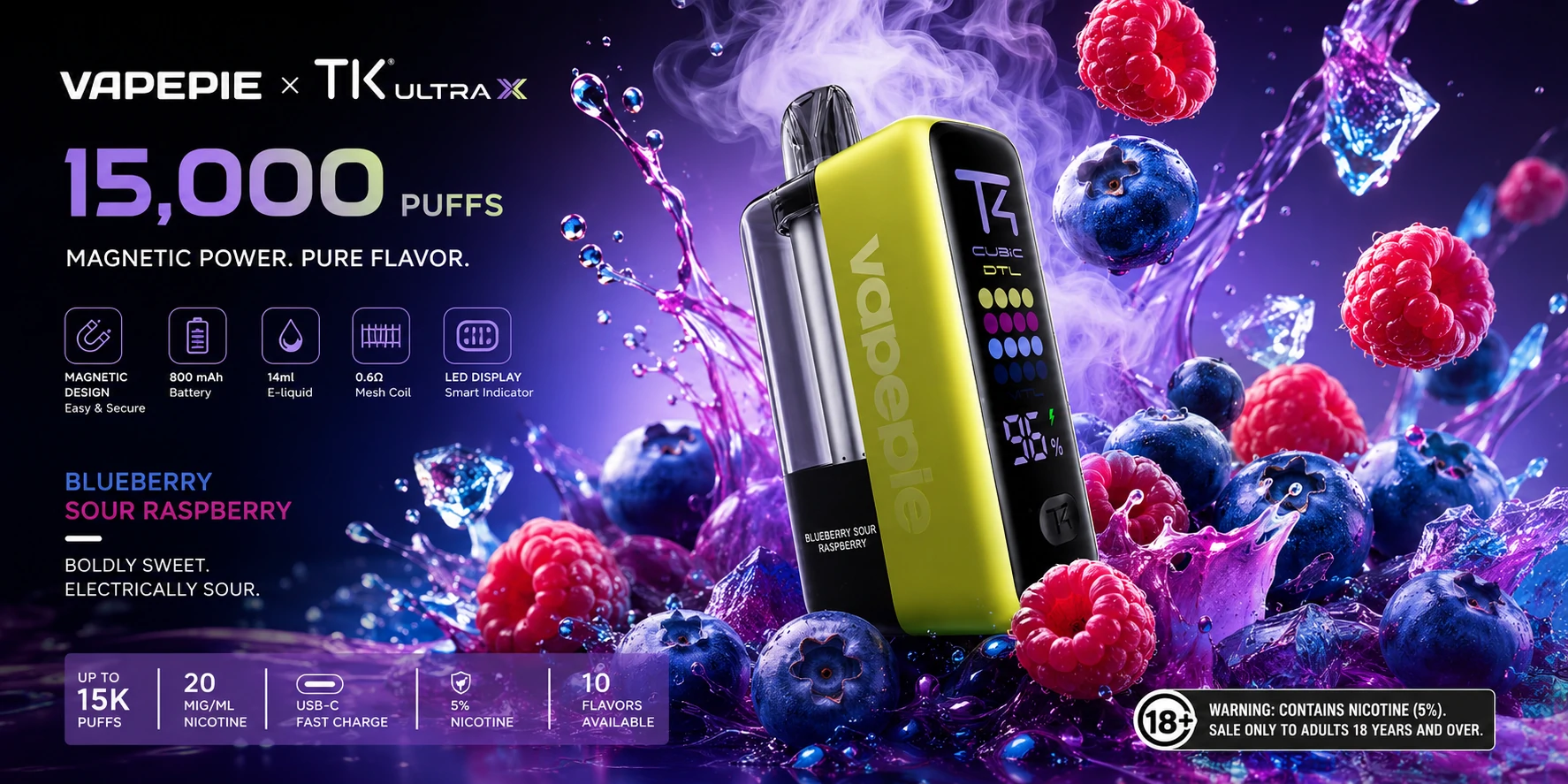
The vaping device of 2030 will not be a standalone product. It will be a node in a networked ecosystem: connected to your smartphone, synchronized with your health data, integrated with your healthcare provider's electronic medical record. It will track your consumption—when, how much, in what patterns. It will monitor biomarkers—heart rate, oxygen saturation, maybe eventually blood chemistry. It will communicate with your doctor—sharing data that can inform cessation support or health monitoring. **The 'smart vape' is coming—and the technological convergence of nicotine delivery, health monitoring, and medical communication will transform the nicotine experience in ways that are both promising and deeply concerning.**
**The promise of the smart vape is personalized, data-driven harm reduction.** A device that tracks your consumption can identify patterns—escalating use, risky situations, early signs of dependence—and intervene with personalized support. A device that monitors biomarkers can provide real-time feedback on the health effects of your nicotine use—your lung function, your cardiovascular response, your sleep quality. A device that communicates with your doctor can integrate nicotine use into your overall healthcare, treating it as a health behavior to be managed rather than a vice to be hidden. **The smart vape could transform nicotine from a stigmatized behavior into a managed health condition—with all the benefits and risks that medicalization entails.**
**The risks of the smart vape are equally significant.** The data collected by a connected nicotine device is intimate—more intimate than the data collected by most medical devices. Who owns this data? Can it be sold to insurers, employers, or marketers? Can it be used to deny coverage, to increase premiums, to make employment decisions? The privacy framework for health data—HIPAA in the US—covers healthcare providers and insurers but not consumer product companies. **The smart vape will generate health data that is not protected by health privacy laws. The data will be available to the company that makes the device—and potentially to anyone the company sells it to.**
**💬 Would you use a 'smart vape' that tracked your consumption and shared data with your doctor? Or would the privacy concerns outweigh the potential benefits? Where do you draw the line between helpful monitoring and invasive surveillance?**