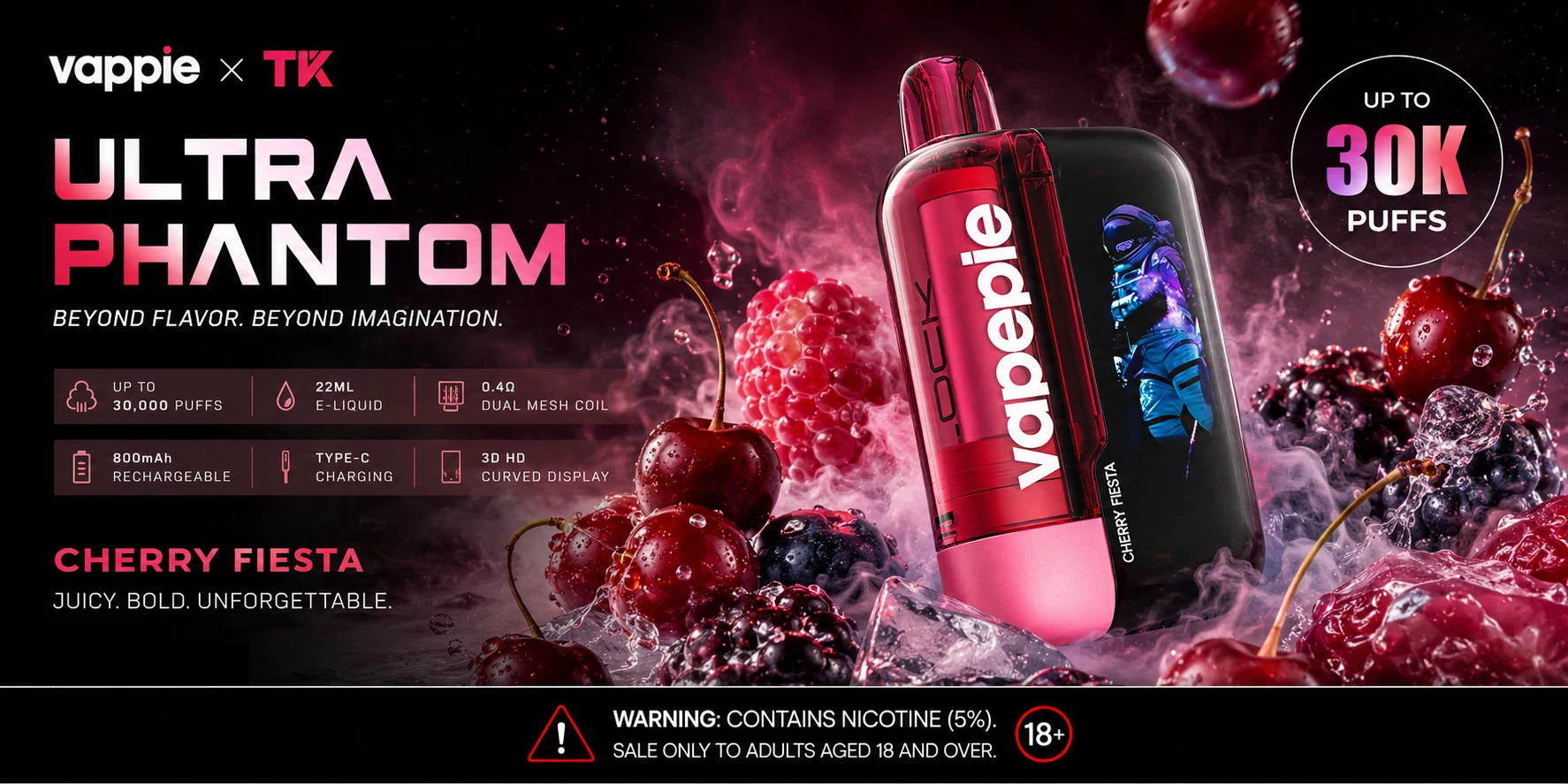
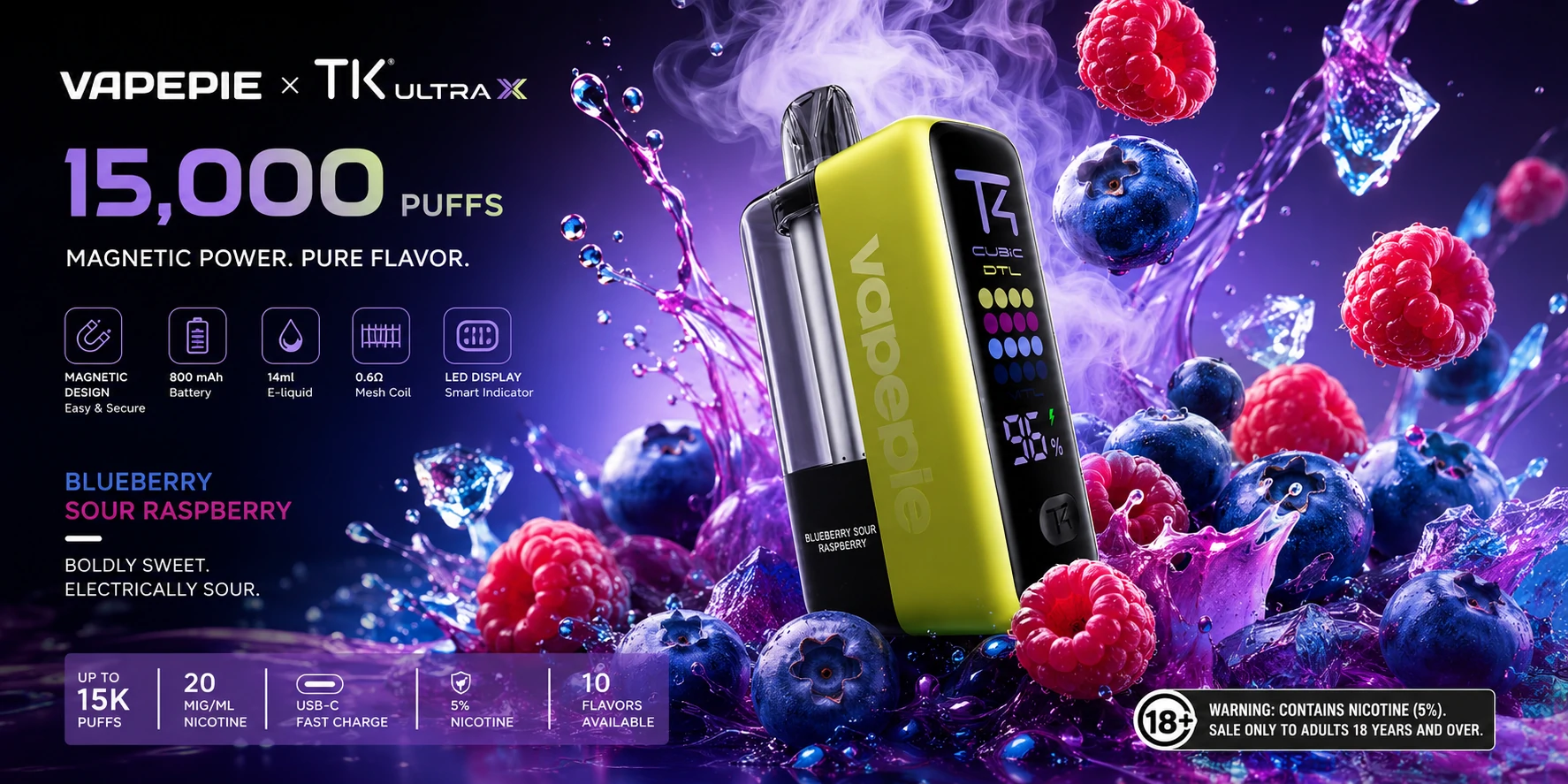
The Nicotine Subscription Economy: How Direct-to-Consumer Brands Are Reshaping Who Sells You Nicotine
A new wave of nicotine startups is bypassing retail entirely, selling pouches and vapes through subscription models that collect user data, build brand loyalty, and operate in a regulatory gray zone. The future of nicotine retail doesn't happen at the counter. It arrives in your mailbox.
The package arrives every month: a sleek white box with magnetic closure, inside a precisely arranged set of nicotine pouches in flavors like 'citrus burst' and 'cool mint,' each canister designed to look more like a luxury cosmetic than a nicotine product. The brand is not Marlboro. It's not Vuse or ZYN or any of the legacy names. It's a startup you discovered on Instagram, funded by Silicon Valley venture capital, that positions nicotine as a 'focus tool' and a 'productivity enhancer'—not as a vice or a health risk or a smoking-cessation aid. **The subscription economy has come for nicotine, and it's rewriting the rules of how nicotine products are marketed, sold, and consumed.** The corner store, the gas station, the vape shop—the traditional nicotine retail channels—are being supplemented and potentially displaced by direct-to-consumer brands that own the customer relationship, collect the data, and operate in a regulatory environment that was designed for a different era of commerce.
**The DTC nicotine model borrows directly from the playbook** that transformed mattresses (Casper), razors (Dollar Shave Club), contact lenses (Hubble), and dozens of other consumer categories. The formula is consistent: identify a product category with high margins, established incumbents, and a consumer experience that can be improved through e-commerce; build a digital-native brand with clean design and aspirational positioning; acquire customers through social media advertising and influencer partnerships; lock them into subscriptions that generate recurring revenue; and use the data from the subscriber base to optimize product development and marketing. The nicotine market—with its high margins, its legacy incumbents (the cigarette companies), and its retail experience that is, for many consumers, stigmatizing and inconvenient—is an ideal target for the DTC disruption playbook. **The DTC nicotine brands are not selling a product. They're selling a relationship—and they're building it on a foundation of data that the traditional nicotine industry never had access to.**
**The regulatory gray zone is where the DNC brands thrive.** Are nicotine pouches sold through a subscription website 'tobacco products' subject to the same age-verification, marketing, and taxation requirements as cigarettes sold in a convenience store? The answer is yes, in theory—the FDA's authority over nicotine products extends to all products containing nicotine from any source, regardless of the sales channel. The enforcement reality is different. The DTC brands implement age-verification at the point of online sale (typically through third-party identity verification services), but the effectiveness of online age verification is lower than in-person ID checks—a determined minor with access to an adult's identity can circumvent most online verification systems. The marketing restrictions that apply to traditional nicotine products—the prohibitions on television and radio advertising, the limitations on youth-appealing content—are difficult to apply to social media marketing, where the line between brand content and organic content is deliberately blurred. **The DTC nicotine model exploits the gap between the regulatory framework (designed for the retail environment of the 20th century) and the commercial reality (the e-commerce environment of the 21st).**
**The data dimension of the DTC model raises privacy concerns** that are familiar from other subscription businesses but particularly sensitive for a stigmatized product category. The DTC nicotine brand knows what products you buy, when you use them, how often you reorder, what flavors you prefer, and—if you use the brand's app—your self-reported usage patterns and satisfaction ratings. This is behavioral data that, in the hands of a healthcare provider, would be protected by HIPAA. In the hands of a nicotine startup, it is subject only to the company's privacy policy—which can be changed at any time, and which few consumers actually read. **The DTC nicotine brand knows more about your nicotine consumption than your doctor does—and it is not bound by the privacy protections that govern medical data.** The potential for this data to be sold, shared, or exploited in ways that harm consumers is real and currently unregulated.
**The public health implications of the DTC model are double-edged.** On one side, the subscription model improves access for adult smokers who want to switch to reduced-risk products—the monthly delivery eliminates the need to visit a store (where the smoker might be tempted to buy cigarettes), the brand relationship provides continuity and support, and the data-driven personalization can improve the consumer experience. On the other side, the DTC model's marketing—which positions nicotine as a lifestyle product rather than a health risk—may attract never-smokers who would not have initiated nicotine use through traditional retail channels. The youth-access risk is real (online age verification is imperfect), and the data-privacy risk is unaddressed. **The DTC nicotine model is neither an unambiguous public health advance nor an unambiguous threat. It is a new distribution channel for a product category whose public health impact depends on who uses it and how—and the regulatory system has not yet developed the tools to govern it.**
**💬 Have you ever subscribed to a nicotine product—pouches, vape pods, anything delivered to your door on a schedule?** How was the experience compared to buying at a store? Does the subscription model make nicotine feel more like a 'normal' consumer product—and is that a good thing or a concerning thing?