The Nicotine Platform Play: Why Every Cigarette Company Wants to Own Your Nicotine Relationship
The nicotine industry isn't just selling products anymore. It's building platforms—ecosystems of devices, consumables, apps, and data that aim to own the customer's entire nicotine experience, from first puff to last.
Your IQOS device knows when you use it. It knows how many tobacco sticks you consume per day, at what times, in what sequence. It knows when you charge the device, when you clean it, and—if you've opted into the app—it knows your location, your usage patterns, and your self-reported satisfaction. Philip Morris International doesn't just sell you a heated tobacco device. **It is building a platform—a closed ecosystem in which the device, the consumable, and the data are integrated into a single, company-controlled experience.** The goal is not to sell you a product. The goal is to own your nicotine relationship for life. And PMI is not alone. Every major nicotine company is pursuing the same platform strategy: devices that lock you into proprietary consumables, apps that collect usage data, algorithms that optimize the experience to maximize retention. The nicotine industry is learning from Big Tech—and what it's building is more powerful and more profitable than anything the cigarette era ever produced.
**The platform model is a direct lift from Silicon Valley**—specifically, from the playbook that Apple used to build the iPhone ecosystem. Sell the device at a modest margin (or even at a loss), lock the customer into proprietary consumables with high margins (tobacco sticks, pods, pouches), and use data from the device to optimize the experience and increase switching costs. The IQOS user who has invested in the device, learned the ritual, accumulated usage data, and integrated the product into their daily routine faces a significant switching cost if they want to change products—the same switching cost that keeps iPhone users in Apple's ecosystem. The platform model transforms the nicotine consumer from a transactional customer (buying whichever brand is cheapest or most available) into a relationship customer (invested in a specific ecosystem, resistant to switching, generating recurring revenue for years or decades). **The economics are extraordinary: a platform-captured nicotine user is worth many times more over their lifetime than a transactional cigarette smoker.**
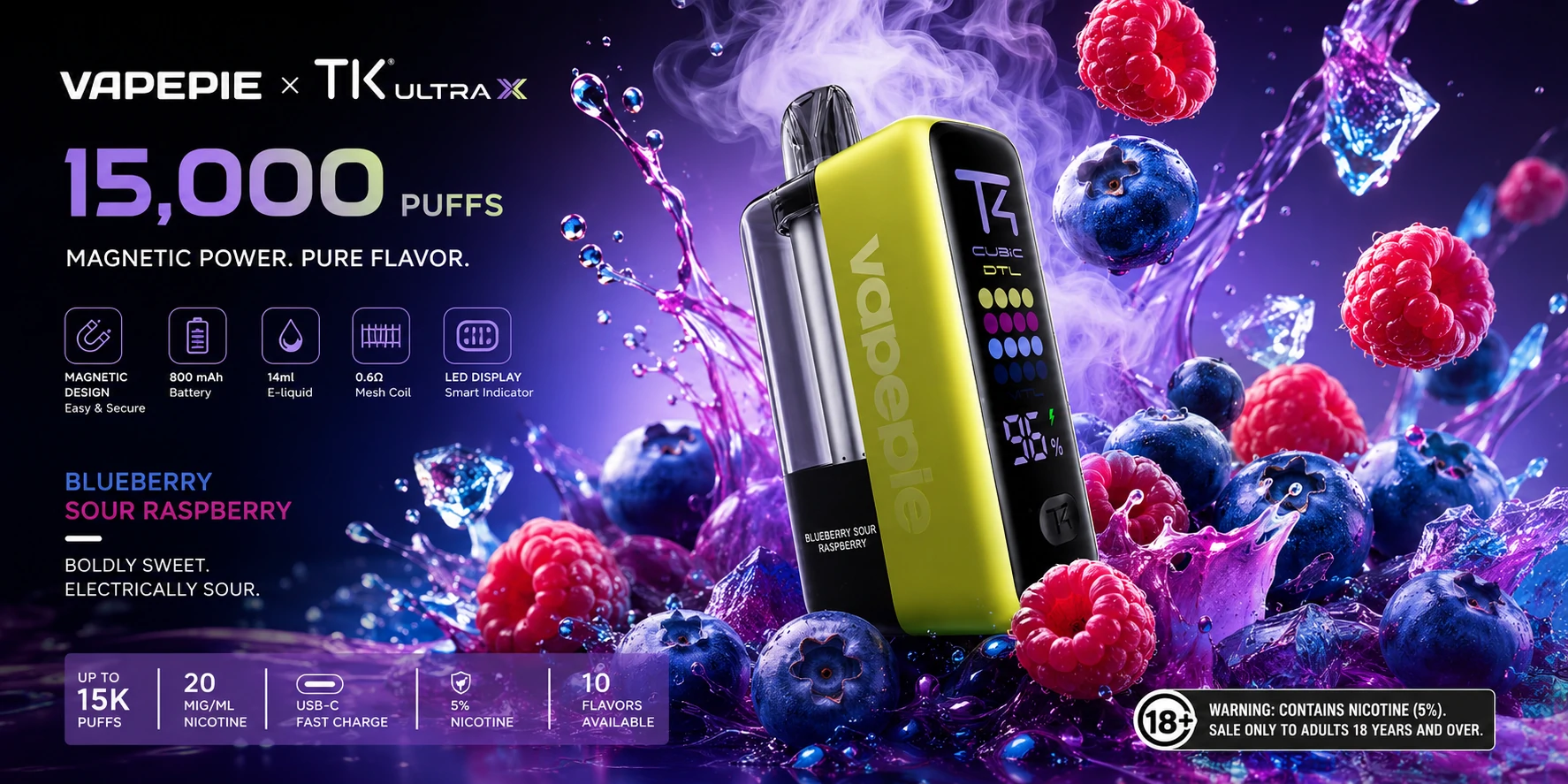
**The data dimension of the platform play is the least visible and most significant.** The IQOS device, the Vuse pod system, the ZYN pouch—each of these is, in addition to being a nicotine delivery device, a data collection device. The usage data—when, how much, in what patterns—is valuable for product optimization (making the experience more satisfying) and for retention (identifying users at risk of switching to a competitor and targeting them with interventions). The data is not, at present, regulated as health information—nicotine companies are not HIPAA-covered entities, and the data they collect is not subject to the privacy protections that govern medical data. **The nicotine platform is collecting more intimate behavioral data about its users than most healthcare providers collect about their patients—and it is doing so in a regulatory vacuum.** The privacy implications are significant, and they have barely begun to be discussed.
**The public health implications of the platform model are double-edged.** On one side, a platform that keeps a former smoker engaged with a reduced-risk product rather than returning to cigarettes is serving a public health function—the platform's retention mechanisms (personalized experience, loyalty rewards, seamless consumable delivery) are, in effect, relapse prevention mechanisms. On the other side, a platform that maximizes nicotine consumption and user retention may serve public health for smokers who switch but may also attract and retain never-smokers who would not otherwise have used nicotine. The platform model does not distinguish between these two populations—its algorithms optimize for engagement, not for public health. The regulatory framework for nicotine products, designed for a transactional market of branded commodities, has no mechanism for evaluating or governing the platform dynamics that are reshaping the industry.
**The platform play also reshapes the competitive landscape.** The companies that succeed in building nicotine platforms will be the companies that control the nicotine market for decades. The companies that fail—that remain in the transactional, branded-commodity model—will be marginalized. The platform competition is the real competition in the nicotine industry, beneath the surface of the regulatory battles and the brand marketing. PMI's IQOS ecosystem, BAT's Vuse/Velo ecosystem, Altria's on! and NJOY ecosystem—these are not just product lines. They are bets on a future in which nicotine consumption is mediated through proprietary platforms that own the customer relationship. **The company that wins the platform war will own the nicotine consumer in the way that Apple owns the smartphone consumer—and the public health implications of that ownership depend on what the winning company does with its power.**
**💬 What do you think?** Do you use a nicotine product that's tied to a specific device ecosystem—IQOS, Vuse, Juul before its decline? Does the 'lock-in' bother you, or is it just part of the experience? And should regulators be paying attention to the data these devices collect?