The Chemical Commons: Nicotine as a Shared Resource—Not Just a Corporate Product
Nicotine is not just a commodity. It's a naturally occurring alkaloid that has been used by humans for thousands of years. Treating it as corporate intellectual property—through patents and regulatory exclusivity—may be restricting access to a molecule that belongs to everyone.
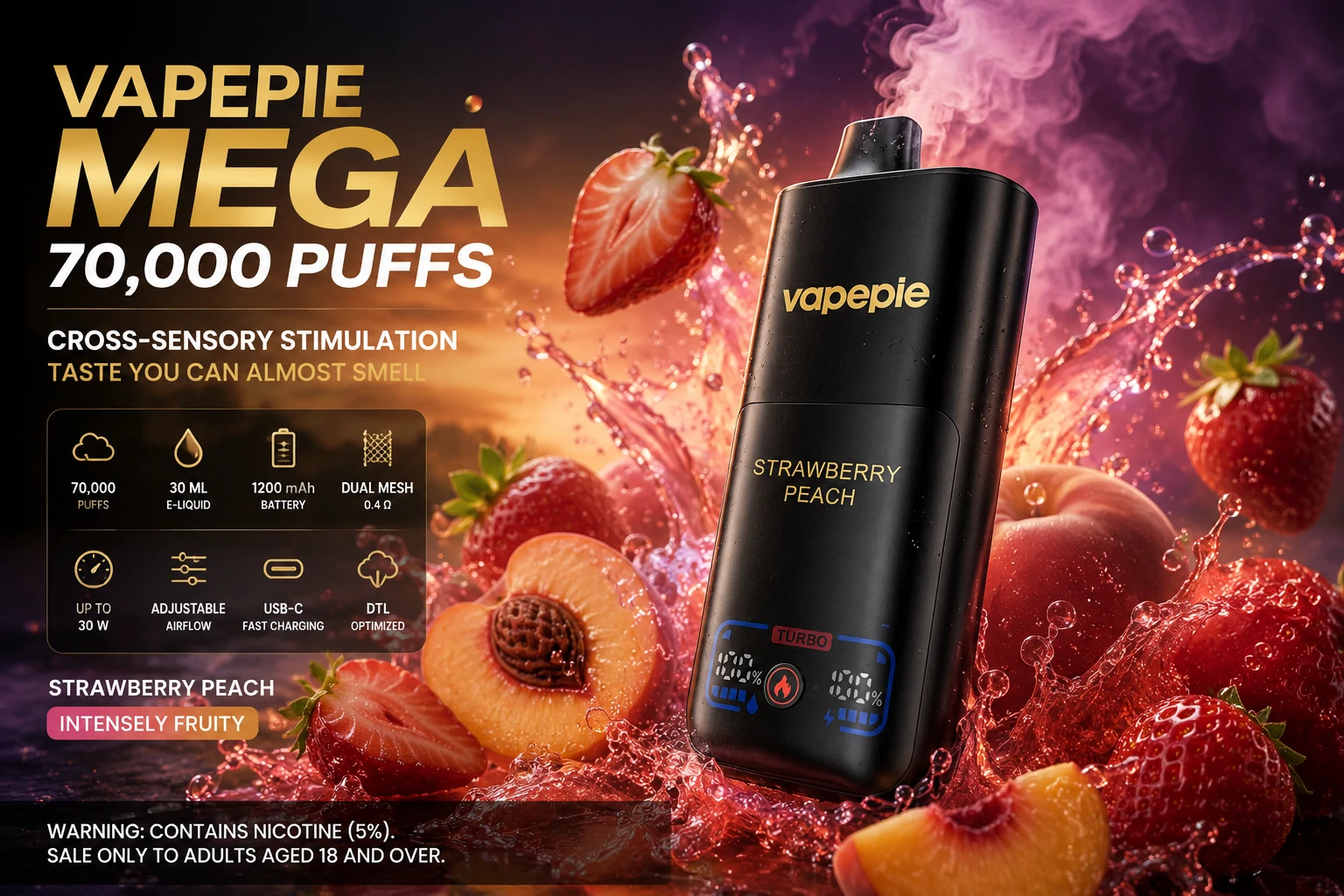
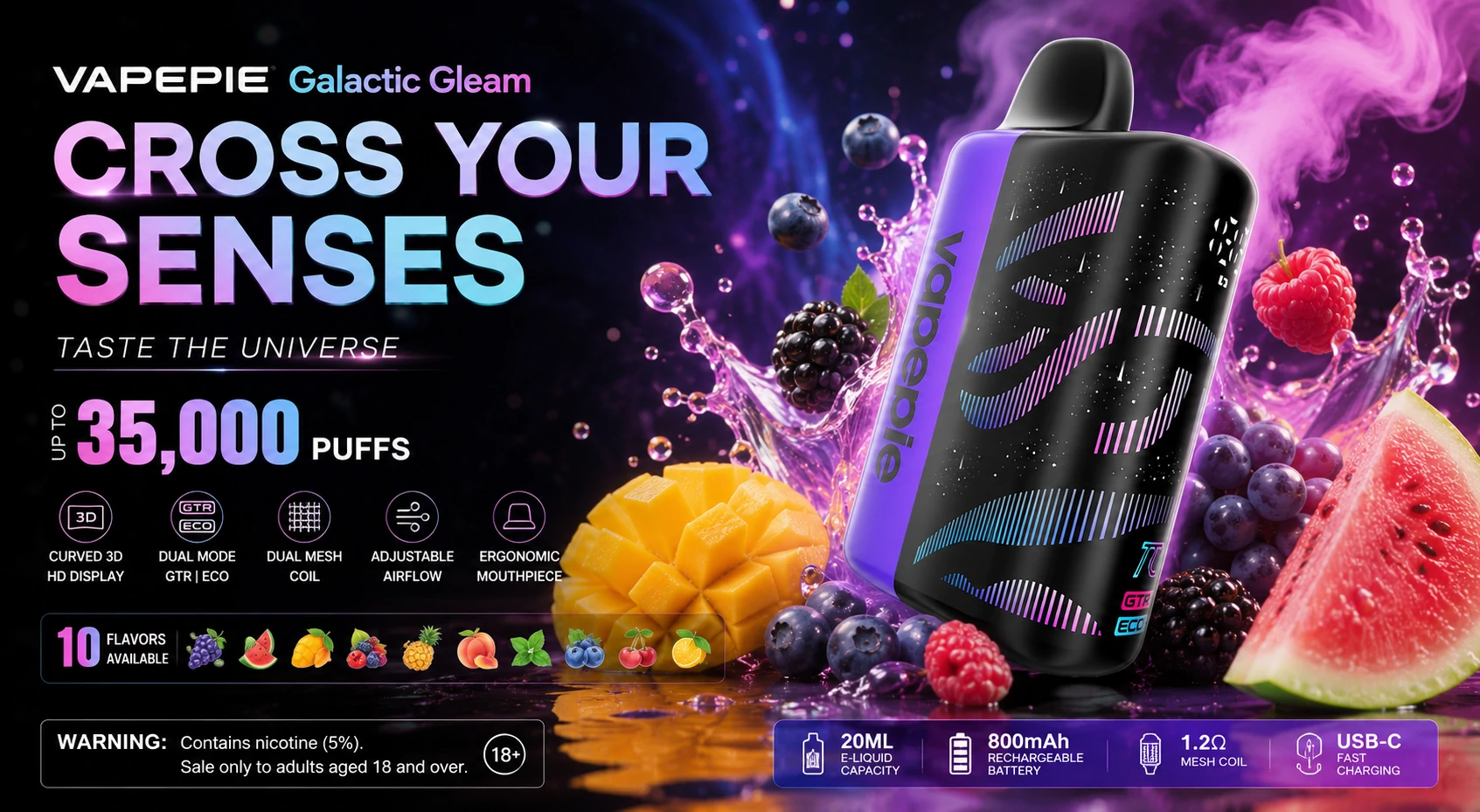
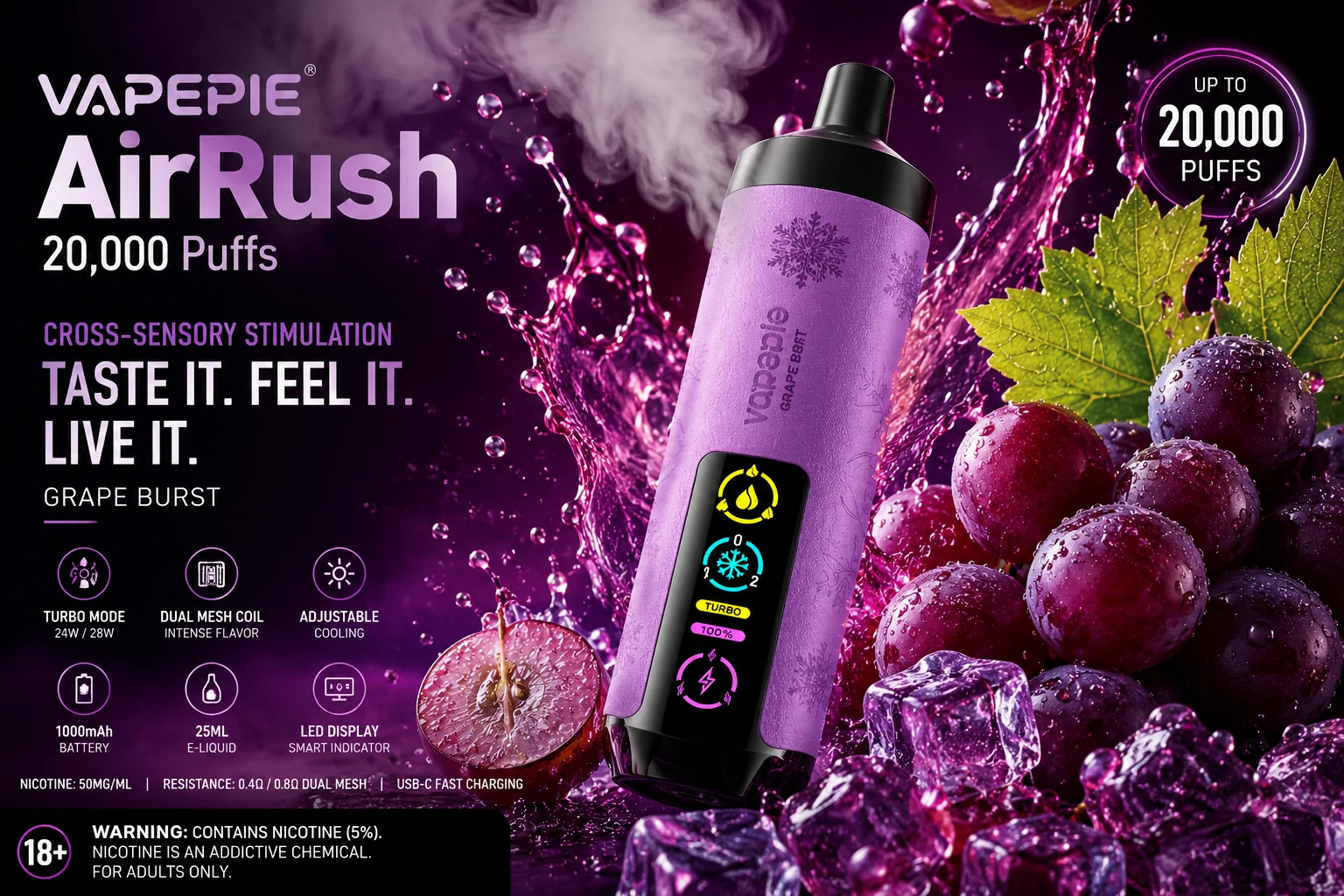
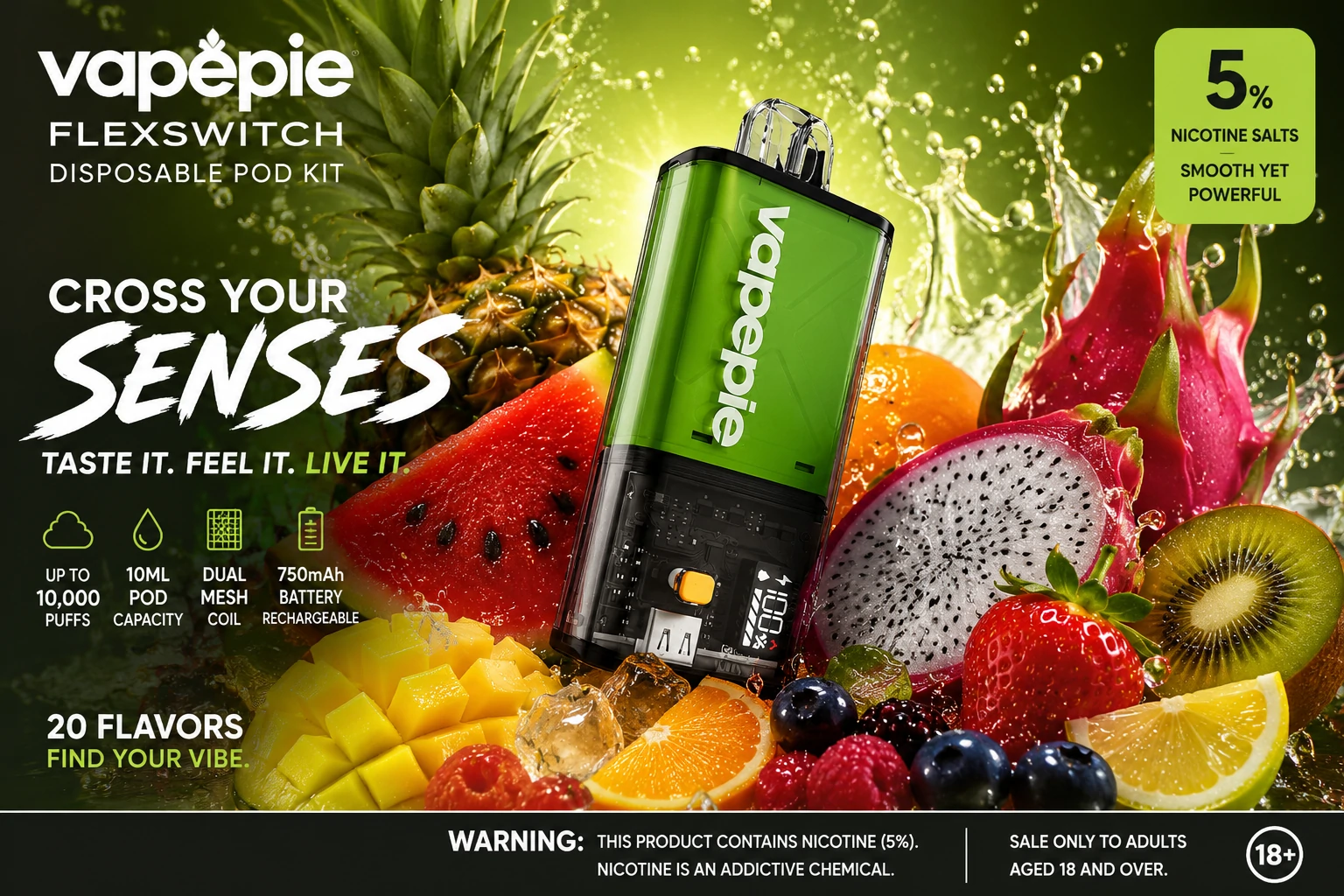
Nicotine is a naturally occurring alkaloid found in the tobacco plant and, in trace amounts, in tomatoes, potatoes, and eggplants. It has been used by humans for at least 10,000 years. It cannot be patented in its natural form—natural compounds are not patentable subject matter. But the delivery systems that make nicotine consumption convenient and appealing—the vaping device, the nicotine pouch, the heated-tobacco system—are protected by dense thickets of patents that concentrate the nicotine market in the hands of a few corporations. **Nicotine itself is a chemical commons—a molecule that belongs to everyone. The delivery systems that determine who can access it, at what cost, and with what health consequences, are private property. The tension between the commons and the patent is the most underexamined dimension of nicotine regulation.**
**The patent thicket restricts access and innovation.** The foundational patents on nicotine pouch manufacturing, on heated-tobacco technology, and on nicotine-salt formulations are held by the major corporations—PMI, BAT, Altria. The patents create barriers to entry for smaller competitors, limit the diversity of products available to consumers, and concentrate the market in the hands of companies that also sell cigarettes. **The patent system, designed to incentivize innovation, is functioning to suppress it—by allowing incumbents to block competitors and by concentrating the market in ways that reduce the competitive pressure to develop better, safer products.**
**The alternative is a chemical-commons approach** that treats nicotine as a shared resource rather than a corporate asset. Generic manufacturing of nicotine—through synthetic biology, fermentation, or improved extraction—could reduce costs and increase access. Open-source hardware designs for vaping devices could enable innovation outside the patent thicket. And regulatory pathways that prioritize public health over intellectual property could accelerate the transition away from cigarettes. **The chemical-commons approach is not anti-innovation. It's pro-access—and access to reduced-risk nicotine products is a public health imperative that the patent system is currently obstructing.**
**💬 Should nicotine delivery technology be protected by patents, or should it be treated as a public health resource that should be as widely accessible as possible? How do we balance innovation incentives with access?**