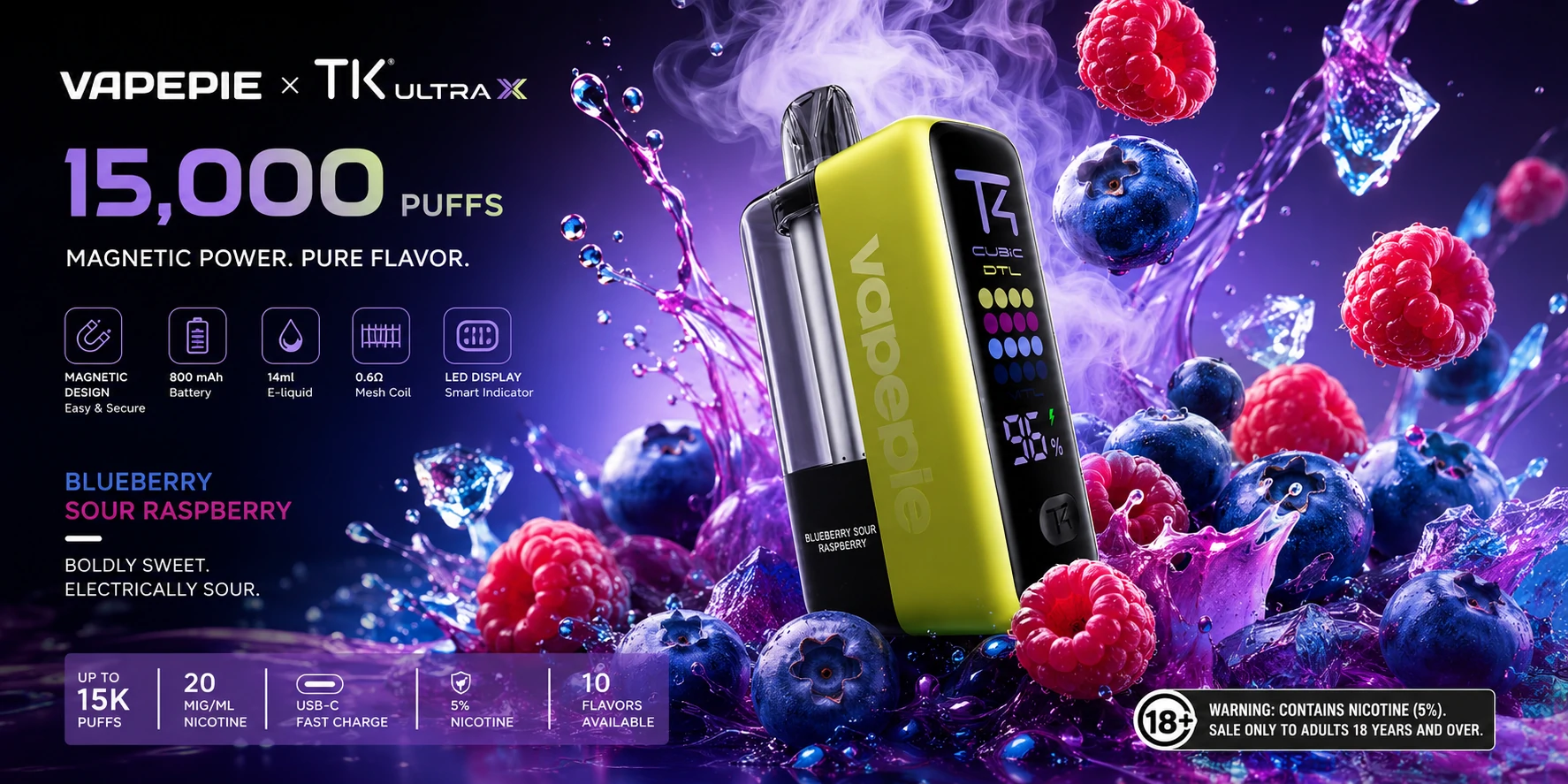
The Biohacking Frontier: When Nicotine Becomes a Nootropic Like Any Other
Nicotine is being normalized in the biohacking community as a cognitive tool—comparable to caffeine, modafinil, and creatine. The normalization is controversial, defensible, and revealing of a future where nicotine's stigma may fade as its delivery systems improve.
On the biohacking forums, nicotine is discussed in the same breath as caffeine, L-theanine, and creatine—a cognitive tool to be optimized, not an addiction to be avoided. The discussion is clinical, systematic, and entirely divorced from the smoking context that defines nicotine in the public imagination. **The biohacking community is decoupling nicotine from tobacco—treating the molecule as a nootropic like any other, with benefits (focus, attention, memory) and risks (addiction, cardiovascular effects) to be weighed and managed. The normalization of nicotine in this community is the most significant cultural shift in the nicotine landscape—and it's happening almost entirely below the radar of public health.**
**The biohackers' framework is pharmacologically defensible.** Nicotine does improve attention, working memory, and motor performance—effects that are well-documented in the cognitive science literature. The addiction risk varies dramatically by delivery system—slow-delivery formats (gum, lozenge, patch) have low abuse liability, while fast-delivery formats (cigarettes, high-nicotine vapes) have high abuse liability. The biohacker who uses 1-2mg of nicotine gum twice a week for focused work is at dramatically lower risk of addiction than the smoker who inhales nicotine from cigarettes twenty times a day. **The biohacking framework is not denial. It's risk management—and the risks it's managing are real, not imaginary.**
**The cultural implications are significant.** If nicotine sheds its association with smoking and becomes normalized as a nootropic—a cognitive tool used by high-performers, not a vice indulged by the marginalized—the entire nicotine policy landscape shifts. Taxation, regulation, communication—all of these are built on the assumption that nicotine is a public health enemy to be eliminated. The biohacking community is challenging that assumption—not through advocacy, but through practice: simply using nicotine differently and talking about it in ways that the public health framework has no language for. **The normalization of nicotine as a nootropic may be the most important development in the nicotine landscape in the next decade—and the public health community is not prepared for it.**
**💬 Have you encountered people using nicotine as a 'nootropic'—a cognitive tool rather than a recreational drug or addiction? Does this framing make sense to you, or does it feel like denial? Can nicotine be used safely as a cognitive enhancer?**