The Flavor Trap: How Disposable Vapes Hooked a New Generation — and What Smokers Need to Know
Disposable vapes exploded in popularity, but new regulations and health data are changing the game. Here's what every smoker and vaper should know.
Walk into any convenience store in 2026 and you'll see them behind the counter: brightly colored disposables with names like Blue Razz Ice and Strawberry Kiwi. They're cheap, discreet, and wildly popular—especially among teens. But behind the candy-colored packaging lies a complex story of addiction, regulation, and unintended consequences. For smokers trying to quit and vapers trying to stay informed, the disposable boom is a double-edged sword. Here's what you need to know about the latest trends, the science, and the shifting rules.
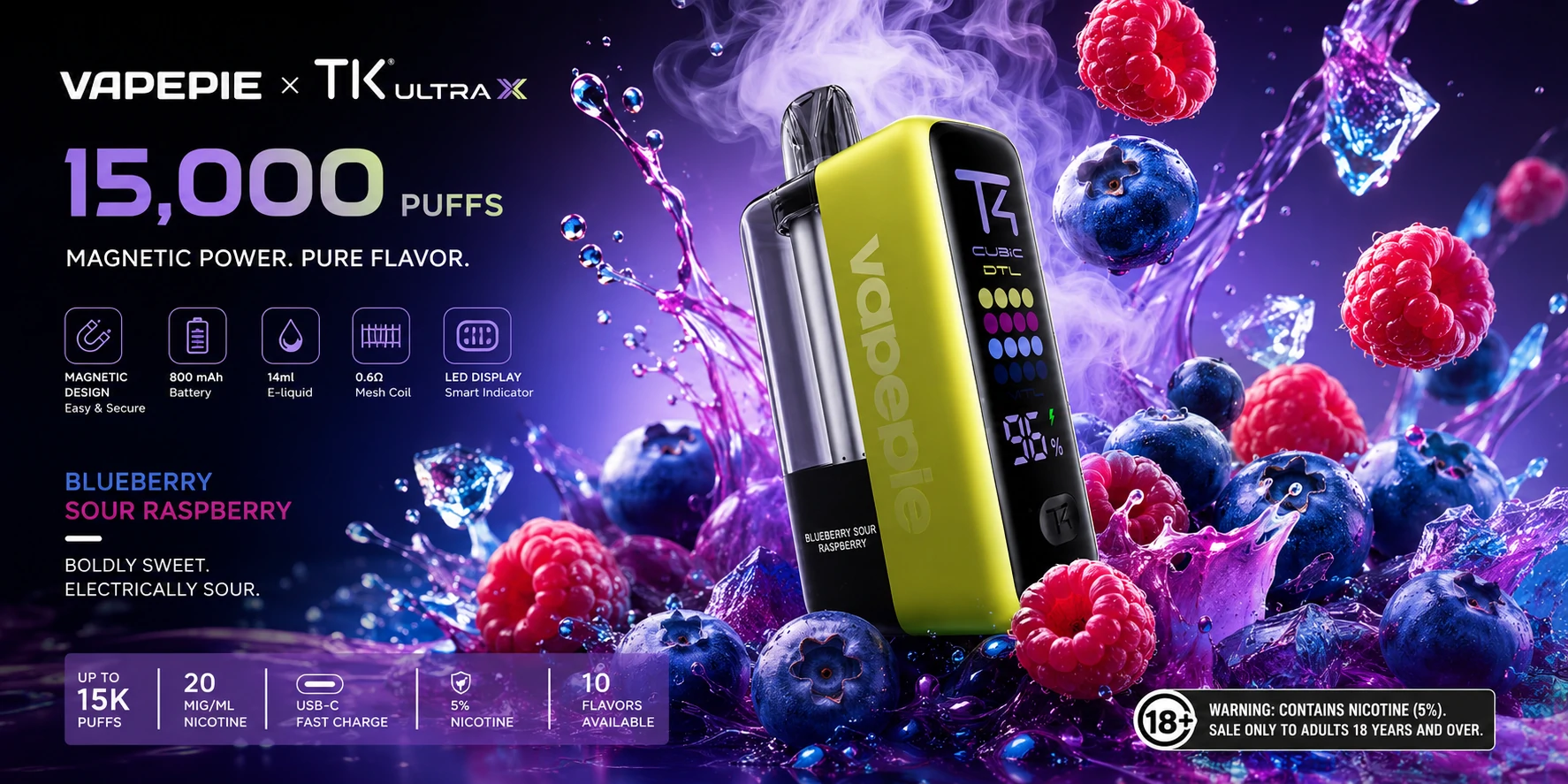
Disposable e-cigarettes now dominate the global vape market, accounting for over 60% of U.S. e-cigarette sales in 2025, according to CDC foundation data. Their rise is fueled by convenience, low upfront cost, and a dizzying array of flavors. But that success has a dark side: youth vaping rates, which had been declining, plateaued in 2024 and even ticked up among middle schoolers. Public health officials point to disposables as the primary culprit. Meanwhile, regulators are cracking down. The EU's revised Tobacco Products Directive now bans disposable vapes with nicotine in several member states, and the U.S. FDA has authorized only a handful of disposable products—none with sweet flavors.
For adult smokers, the picture is more nuanced. A 2025 Cochrane review found that nicotine e-cigarettes are more effective for quitting than traditional nicotine replacement therapy. But the review noted that disposable devices, with their high nicotine concentrations and lack of adjustable settings, may not be the best choice for quitting. 'Disposables are designed for convenience, not cessation,' says Dr. Jamie Hartmann-Boyce, a co-author of the review. 'They deliver a fixed dose and are often used as a starter product, but many users find they need more control to taper off nicotine.' In other words, disposables can help you switch, but they might also keep you hooked longer.
The regulatory landscape is shifting fast. In the UK, a ban on disposable vapes took effect in June 2025, and early data shows a decline in youth vaping but also a surge in illegal sales. In the U.S., the FDA has ramped up enforcement against unauthorized disposables, issuing warning letters to major manufacturers and retailers. Meanwhile, some states have implemented their own flavor bans, creating a patchwork of rules. For consumers, this means more scrutiny at the point of sale and a greater need to verify product authenticity. The VAPEPIE directory, for example, helps users find legitimate sellers, but counterfeiters are getting smarter. Always check for a batch number and QR code on the packaging.
So what's a smoker or vaper to do? First, know your goal. If you're trying to quit, consider a refillable pod system with adjustable power and a range of nicotine strengths. Disposables are fine for a quick switch, but they're not designed for tapering. Second, stay informed about local regulations—what's legal today might be banned tomorrow. Third, don't fall for the 'safer' myth: while vaping is less harmful than smoking, it's not risk-free. Nicotine is addictive, and inhaling flavorings has unknown long-term effects. Finally, if you're a parent, talk to your kids about disposables. Their sleek design and sweet flavors make them easy to hide, but the addiction is real.
The disposable vape boom is a case study in unintended consequences. Designed as a harm-reduction tool for adult smokers, they've become a gateway for youth. As regulations tighten and the market evolves, the key is balance: keeping these products accessible to adults who need them while preventing youth access. For now, the best defense is education and vigilance. Whether you're a smoker looking to quit or a vaper trying to stay ahead of the curve, stay curious, stay critical, and always read the label. The flavors may be sweet, but the reality is far more complex.