The E-Cigarette Paradox: Why 'Quit Smoking' Is Becoming a New Addiction for Teens
E-cigarettes were sold as a quitting tool, but new data shows they're hooking teens instead. Here's what the latest research and regulations reveal.
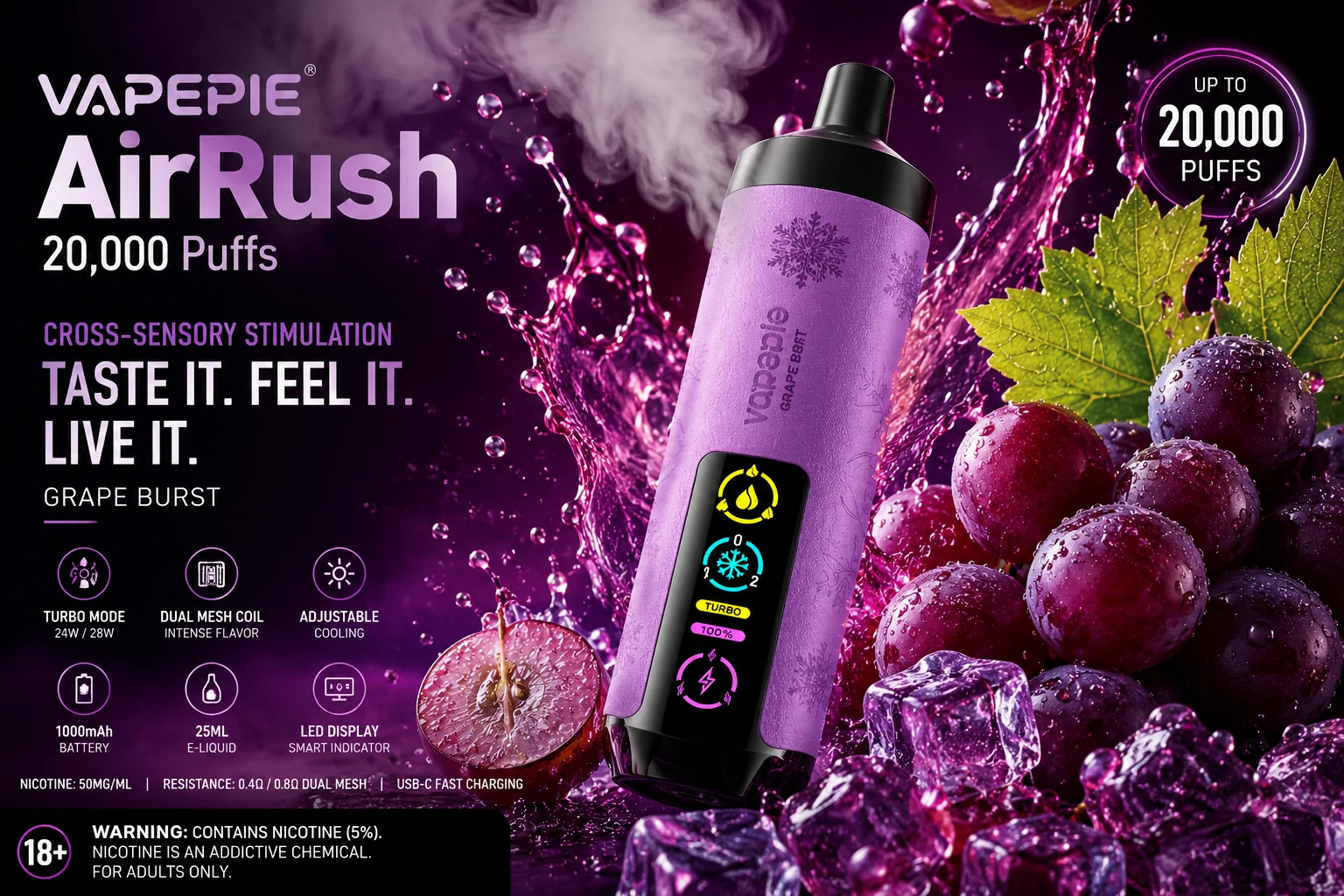
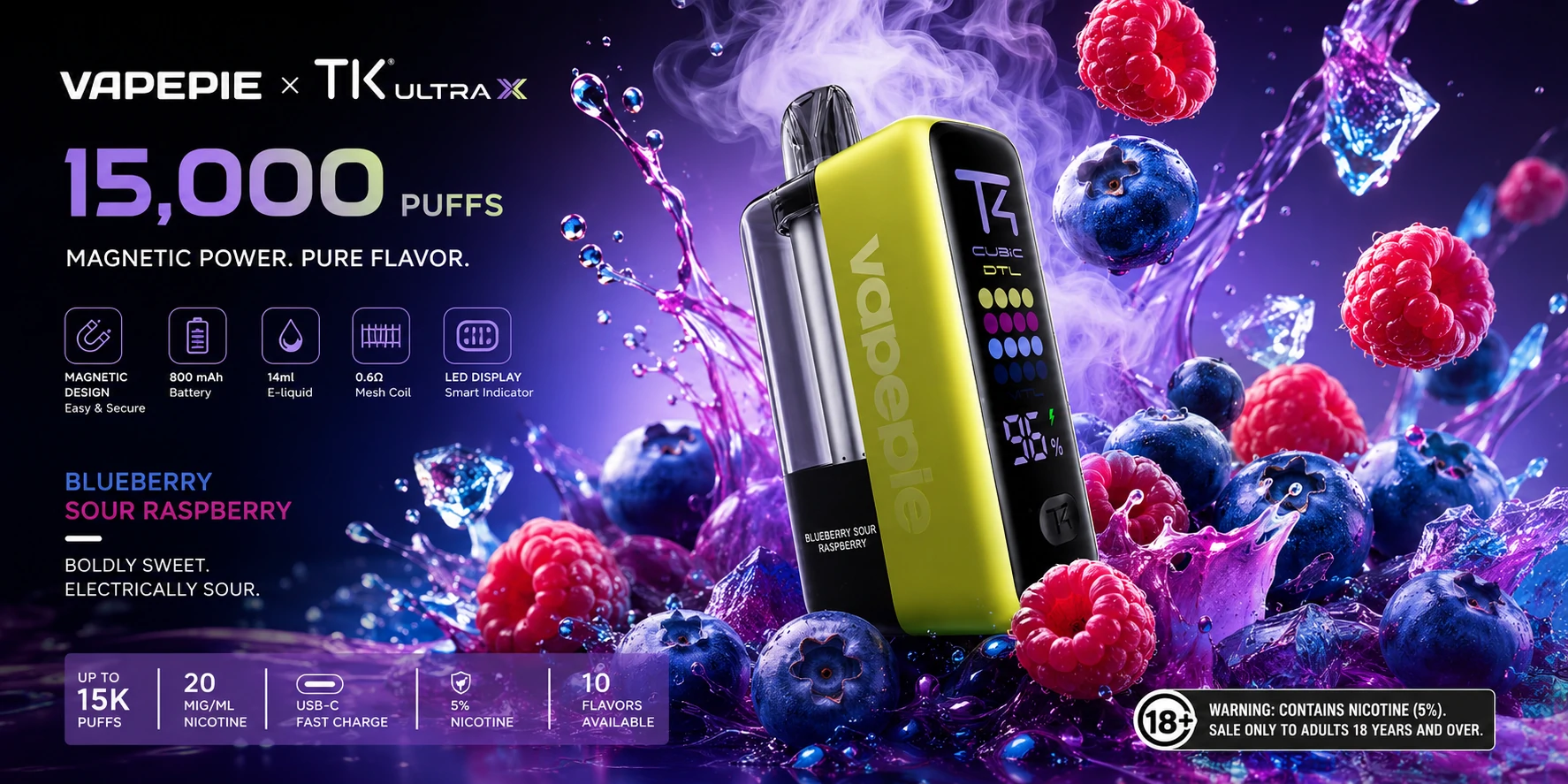
In 2026, the e-cigarette landscape looks nothing like it did a decade ago. What began as a smoking cessation aid has morphed into a youth addiction crisis. According to the latest National Youth Tobacco Survey, over 2.1 million U.S. middle and high school students currently use e-cigarettes, with disposable products like Elf Bar and Geek Bar dominating the market. The irony is stark: a product designed to help adults quit is now creating a new generation of nicotine-dependent users. The FDA's recent crackdown on unauthorized disposables has done little to curb the trend, as teens simply switch to synthetic nicotine pouches or black-market alternatives. The core issue isn't just access—it's the engineering of these devices. Modern disposables deliver high nicotine concentrations with smooth, fruity flavors that mask the harshness of traditional tobacco, making them dangerously easy to start and hard to quit.
The science behind nicotine addiction in adolescents is particularly troubling. The adolescent brain is highly susceptible to nicotine's effects, which can alter neural pathways related to attention, learning, and impulse control. A 2025 study in JAMA Pediatrics found that teens who vape are three times more likely to transition to traditional cigarettes within two years compared to non-vapers. This gateway effect is not just a correlation—it's a predictable outcome of nicotine priming the brain for addiction. Moreover, the misconception that vaping is 'just water vapor' persists among parents and teens alike. In reality, e-cigarette aerosol contains ultrafine particles, heavy metals like nickel and lead, and volatile organic compounds—all of which can cause respiratory and cardiovascular damage. The 'safer than cigarettes' narrative, while technically true in some harm-reduction contexts, has been weaponized by marketers to downplay risks and attract non-smokers.
Regulatory responses have been a mixed bag. The FDA's 2025 flavor ban on cartridge-based e-cigarettes exempted disposable devices, creating a loophole that the industry exploited. States like California and Massachusetts have implemented stricter bans, but enforcement remains inconsistent. Meanwhile, the UK's National Health Service continues to promote vaping as a smoking cessation tool, albeit with strict age verification. This divergence in policy reflects a deeper ideological split: harm reduction versus precaution. For consumers, the practical takeaway is clear: if you're an adult smoker trying to quit, vaping may be a temporary bridge, but it's not a safe long-term solution. For teens and non-smokers, any nicotine product is a net negative. The industry's pivot to synthetic nicotine—which bypasses FDA tobacco regulations—has only complicated the picture, as these products are often sold in candy-like flavors with no age verification online.
So what should parents, educators, and policymakers do? First, recognize that 'safer' does not mean 'safe.' Second, advocate for comprehensive flavor bans and stricter online sales enforcement. Third, invest in youth education that goes beyond scare tactics—focus on the mechanics of addiction and the financial cost. A 2026 survey by the Truth Initiative found that teens who understood the nicotine concentration in their vape were 40% more likely to want to quit. Finally, for adult smokers, explore FDA-approved cessation methods like nicotine replacement therapy, bupropion, or varenicline before turning to e-cigarettes. The goal is not to shame vapers but to prevent new addictions. As one addiction specialist put it: 'We traded one epidemic for another, and the new one wears a candy coat.'
The bottom line: e-cigarettes are not a harmless alternative. They are a nicotine delivery system that has been aggressively marketed to youth, and the consequences are now visible in emergency rooms and addiction clinics. If you're a smoker, talk to your doctor about evidence-based quitting options. If you're a parent, start the conversation early—your kid is probably already exposed. And if you're a policymaker, close the loopholes. The next generation's health depends on it.