The E-Cigarette Paradox: Why 'Quit Smoking' Is Becoming a New Addiction for Teens
E-cigarettes were meant to help smokers quit, but they're hooking a new generation. Explore the paradox, the data, and what it means for public health.
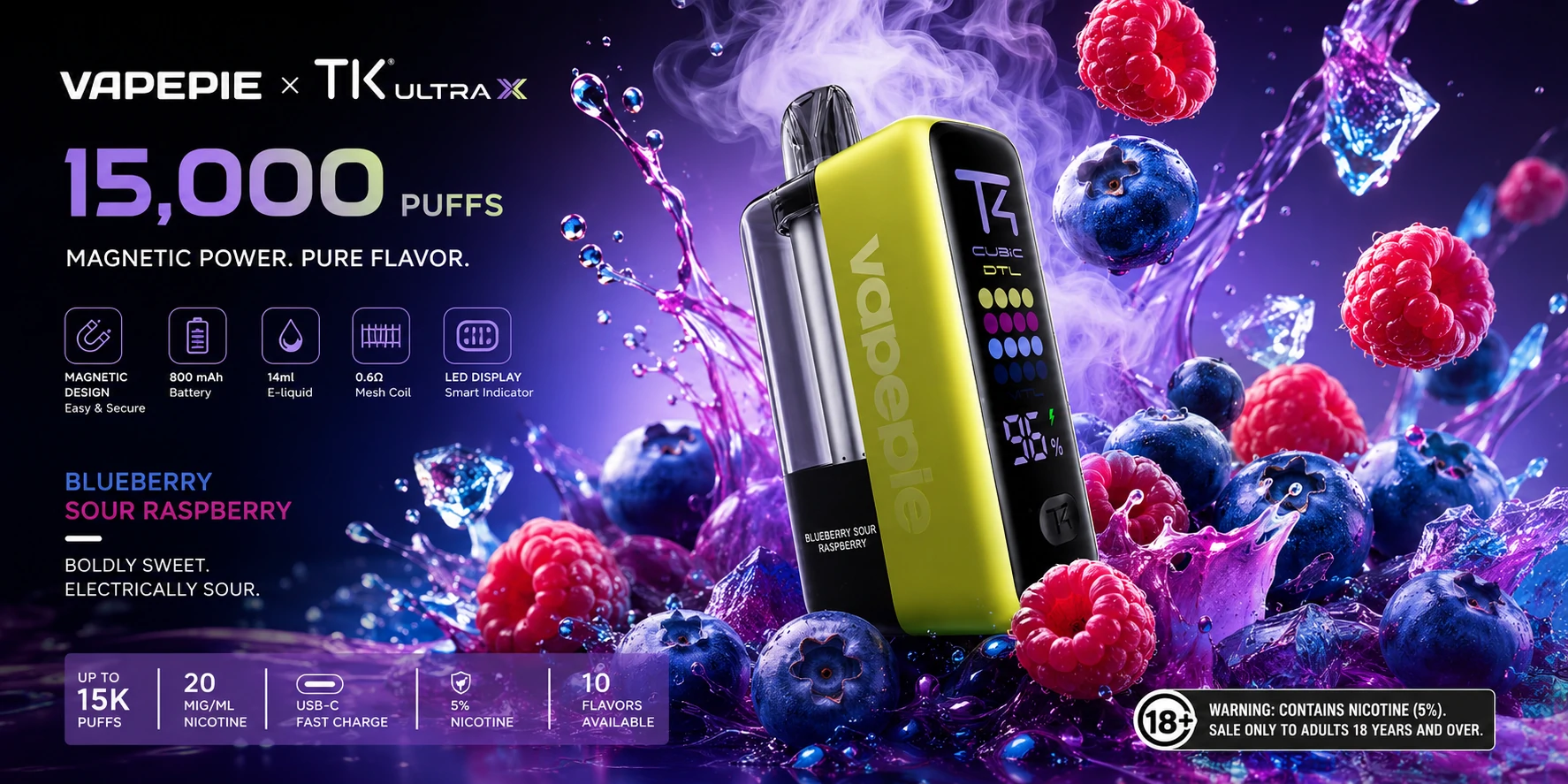
In 2026, the e-cigarette market is a paradox. Designed as a harm-reduction tool for adult smokers, it has become the most popular nicotine product among teens. In the U.S., over 2 million middle and high school students report using e-cigarettes, with many unaware of the nicotine content. The question is no longer 'Are e-cigarettes safer than cigarettes?' but 'Are we trading one addiction for another?'
The data is stark. According to the 2025 National Youth Tobacco Survey, 1 in 5 high school seniors vape daily. Among those, 40% use disposable devices with nicotine concentrations exceeding 5% — levels once reserved for heavy smokers. Meanwhile, adult smoking rates have plateaued, suggesting that e-cigarettes are not primarily serving as cessation tools but as entry points into nicotine addiction.
Flavors are the gateway. A 2026 study in JAMA Pediatrics found that 80% of youth who vape started with a flavored product, with fruit and dessert flavors being the most appealing. The industry's marketing, once banned from traditional media, now thrives on social media influencers and sleek packaging. The result is a generation that associates vaping with fun, not harm.
But what about the 'safer' narrative? While e-cigarettes expose users to fewer toxicants than combustible cigarettes, they are not harmless. Nicotine is highly addictive and can harm adolescent brain development, affecting attention, learning, and memory. Moreover, the long-term health effects of inhaling flavoring chemicals and heavy metals from coils are still unknown. A 2026 review in the European Respiratory Journal called for urgent research, noting that 'the safety of e-cigarettes is not established.'
Regulation is scrambling to catch up. In 2025, the FDA banned most flavored e-cigarettes, but loopholes remain: disposable devices are often sold as 'tobacco-flavored' yet taste like candy, and online sales bypass age verification. Meanwhile, countries like Australia and the UK have implemented strict prescription-only models, but enforcement is inconsistent. The industry, meanwhile, is pivoting to 'tobacco-free nicotine' products, which are not regulated as tobacco, creating a new regulatory gray area.
So, what should a concerned parent or smoker do? For smokers, e-cigarettes can be a stepping stone to quitting, but only with professional support and a plan. For parents, the message is clear: don't demonize vaping, but don't ignore it either. Talk to your kids about the risks, and if you vape, consider your own example. For policymakers, the answer lies in comprehensive regulation that treats e-cigarettes like the addictive products they are.
The e-cigarette paradox is a public health challenge that demands nuance. We need to help adult smokers quit without creating a new generation of nicotine addicts. That means evidence-based policies, honest communication, and a willingness to adapt as the science evolves. The future of tobacco control depends on it.