The E-Cigarette Paradox: Why 'Quit Smoking' Is Becoming a New Addiction for Teens
Explore the hidden risks of e-cigarettes, their appeal to youth, and the reality behind the 'safer' label in this in-depth analysis.
E-cigarettes were marketed as a safer alternative to smoking, a tool to help adults quit. But for teens, they've become a new gateway to nicotine addiction. With sleek designs and sweet flavors, vaping has skyrocketed among youth, raising alarms among parents and health officials alike. The question is: are we swapping one epidemic for another?
The numbers are stark. According to a 2013 study, teen e-cigarette use has doubled in just one year. Many believe it's harmless vapor, but the reality is nicotine—a highly addictive substance that can rewire developing brains. The 'safer' label has created a false sense of security, leading to experimentation that often escalates to traditional cigarettes.
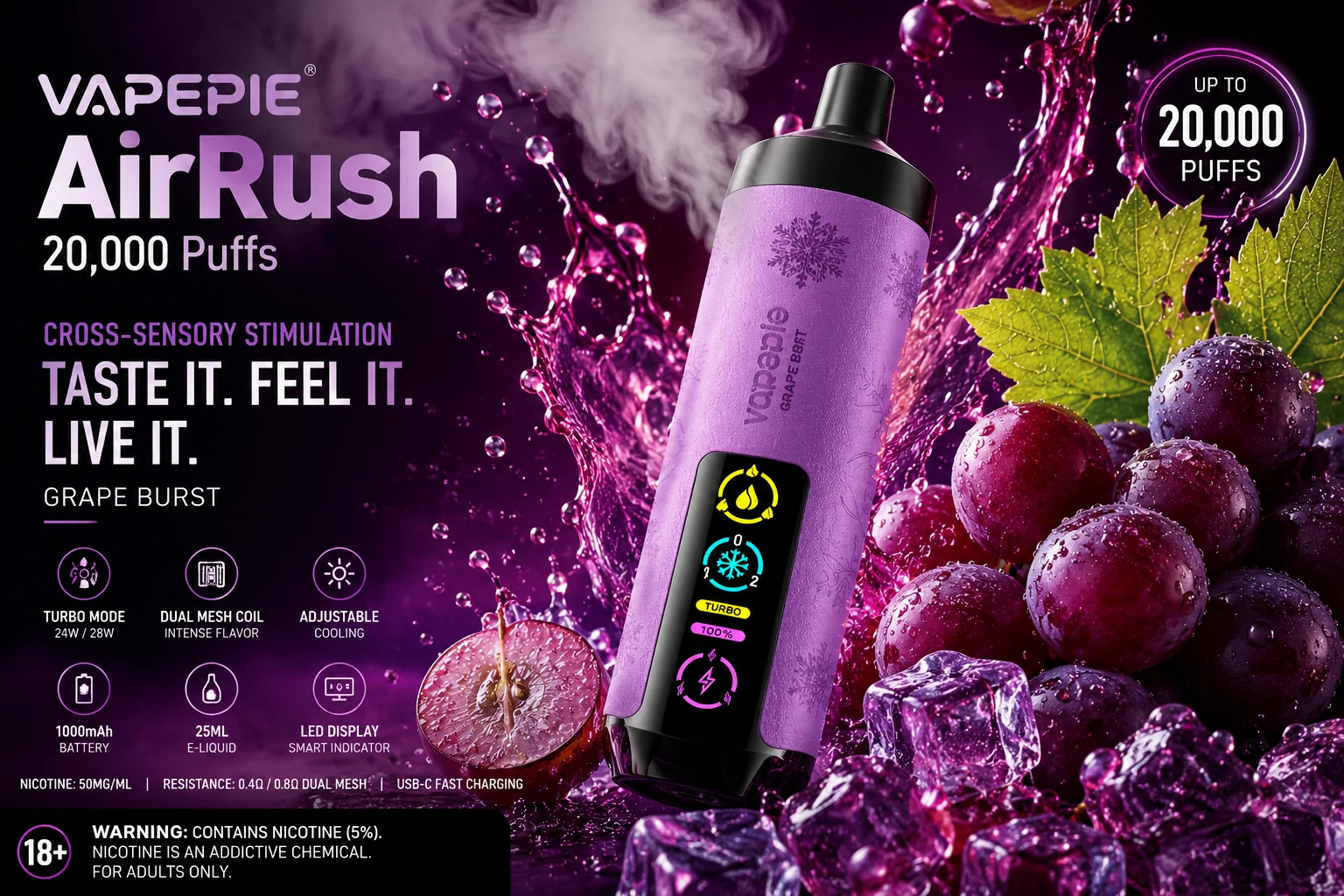
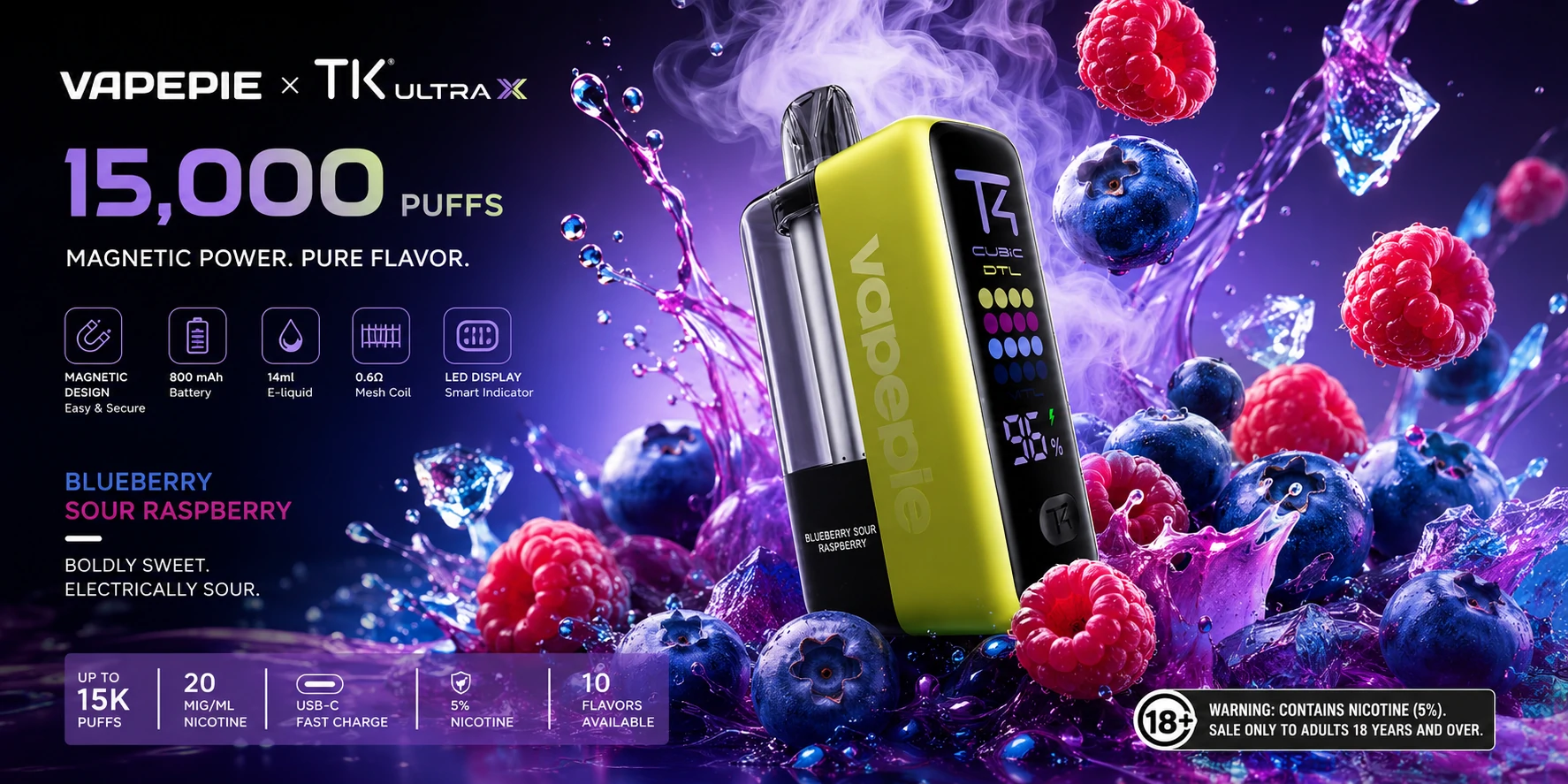
What makes e-cigarettes so appealing to teens? It's a perfect storm of clever marketing, enticing flavors like bubblegum and mango, and social media influencers who normalize vaping. Unlike the ash and odor of cigarettes, vaping feels clean and discreet, making it easy to hide from parents and teachers. But the health risks are real: lung damage, addiction, and potential long-term effects still unknown.
For parents, the challenge is real-time awareness. Many don't recognize the devices—USB drives, pens, or sleek pods—that their kids are using. The key is open conversation, not punishment. Ask questions, learn the signs, and emphasize that 'safer' doesn't mean safe. Nicotine is the enemy, no matter the delivery system.
For those trying to quit smoking, e-cigarettes can be a double-edged sword. While some studies show they help reduce cigarette use, the lack of regulation means varying nicotine levels and unknown additives. The best path remains FDA-approved cessation aids and behavioral support. The industry is changing fast, but consumer caution is paramount.
The bottom line? E-cigarettes are not a harmless trend—they're a public health puzzle. For teens, they risk a lifelong addiction. For smokers, they offer a risky alternative. The real solution lies in regulation, education, and honest conversations. Don't let the vapor cloud the truth.
Share this with a parent or teen you care about. Knowledge is the first step to prevention. Let's make smart choices, not just easy ones.