The E-Cigarette Dilemma: Why 'Quit Smoking' Is Fueling a New Generation of Nicotine Addicts
Explore the paradox of e-cigarettes as a smoking cessation tool and their role in hooking teens. Uncover the facts, risks, and regulatory challenges.
E-cigarettes entered the market as a safer alternative to traditional cigarettes, promising a pathway to quit smoking. But a decade later, the data tells a more complex story. While some adult smokers have successfully transitioned away from combustible tobacco, a new crisis has emerged: a surge in nicotine addiction among adolescents, who have embraced vaping at alarming rates.
The core tension lies in the product's dual nature. For a 45-year-old pack-a-day smoker, switching to an e-cigarette might reduce exposure to carcinogens from combustion. But for a 16-year-old who has never smoked, the same device becomes a gateway to nicotine dependence, with potential long-term effects on brain development and increased risk of future cigarette use.
Recent studies spotlight this paradox. The U.S. National Youth Tobacco Survey reported that over 2.5 million middle and high school students used e-cigarettes in 2022, with flavored products like fruit and mint being the primary draw. Meanwhile, data from the UK's Office for Health Improvement suggests that among adult smokers, e-cigarettes are the most popular aid for quitting, with success rates comparable to nicotine replacement therapies.
The regulatory landscape is fragmented. Countries like Australia require a prescription for nicotine e-cigarettes, while others like the UK promote them as a harm reduction tool. In the U.S., the FDA has faced criticism for slow action on flavored products, which critics argue are designed to appeal to youth. This inconsistency creates confusion for consumers and hampers effective public health messaging.
Consumer psychology plays a key role. Many young users perceive vaping as harmless, driven by sleek marketing and social media influencers. A 2023 study in JAMA Pediatrics found that teens who vape are more likely to start smoking within a year. This highlights the need for targeted education that debunks the 'safe vaping' myth and emphasizes the addictive potential of nicotine.
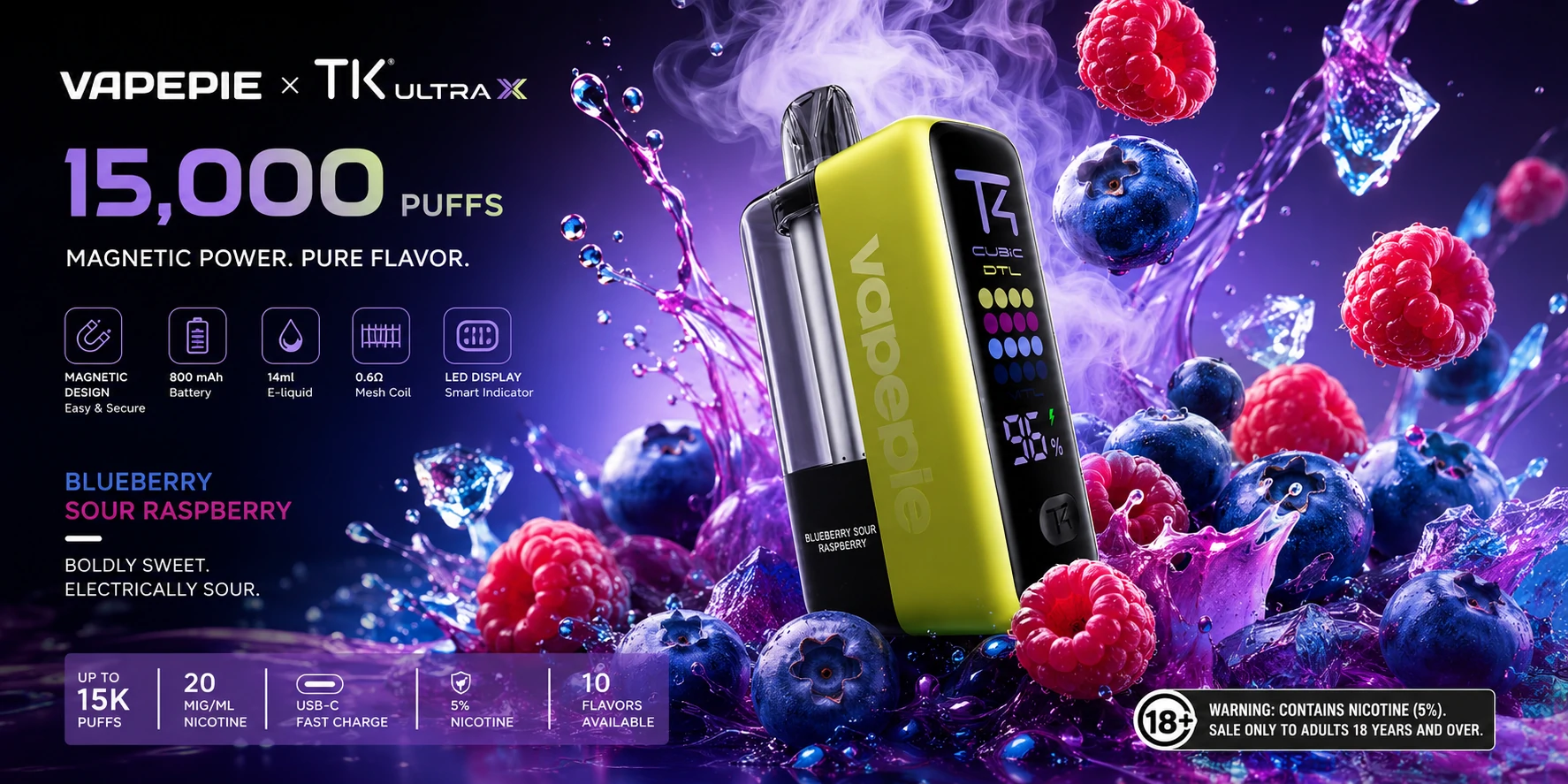
The industry itself is in flux. Major tobacco companies have invested heavily in e-cigarettes, creating a market where profit motives often clash with health goals. Meanwhile, smaller vape shops and online retailers continue to sell products with varying quality and nicotine levels, making it difficult for consumers to make informed choices. The rise of disposable vapes has further complicated the landscape, with their low cost and high nicotine content attracting new users.
For parents and educators, the takeaway is clear: open conversations about nicotine's risks are essential. For smokers looking to quit, e-cigarettes may offer a less harmful option, but only when used as a temporary aid under medical guidance. Policymakers must balance harm reduction for adults with robust youth protection measures, including flavor bans, age verification, and marketing restrictions. The nicotine shift is here—how we navigate it will define the next decade of public health.