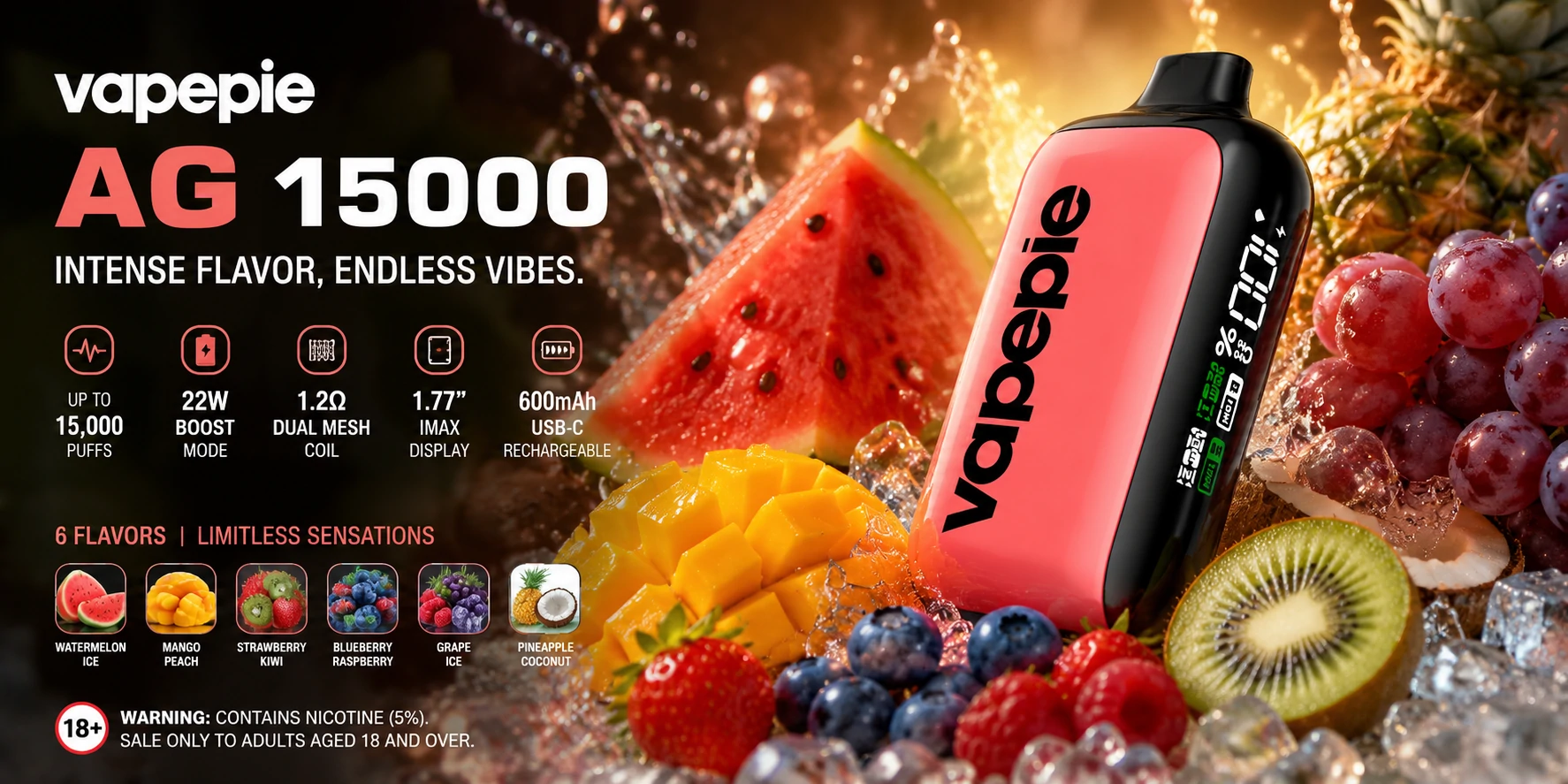
The Disposable Trap: How Cheap Vapes Hijacked a Generation
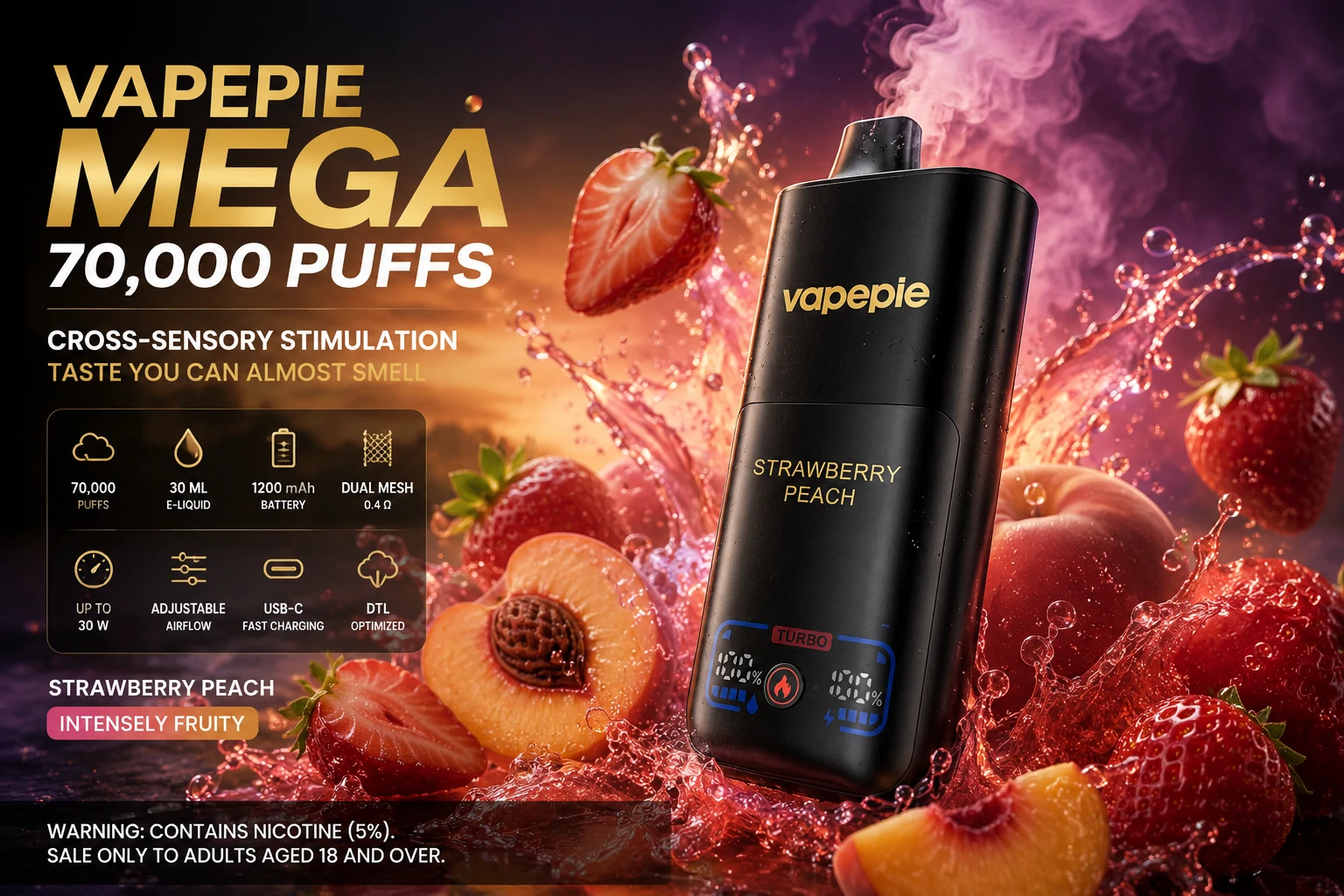
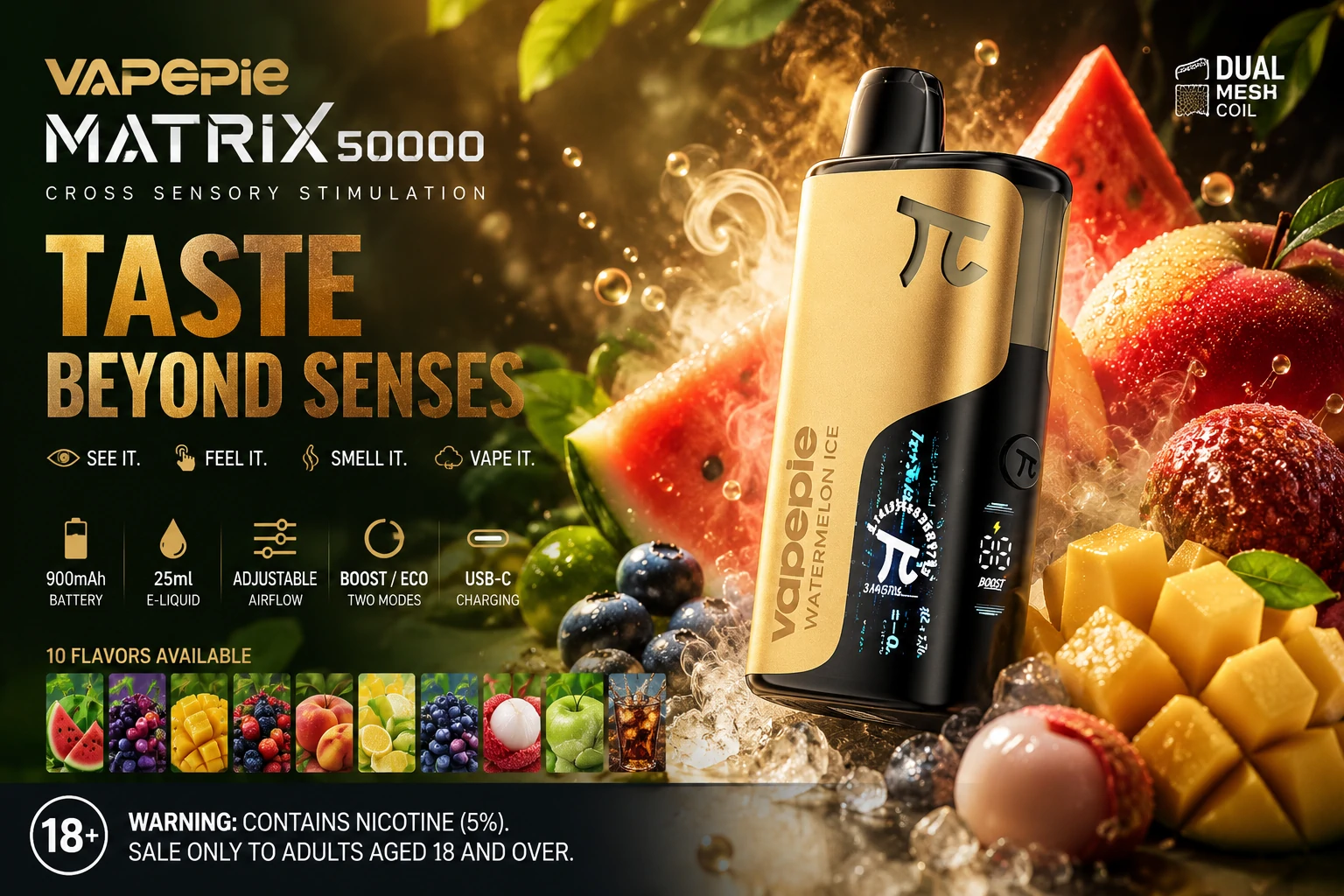
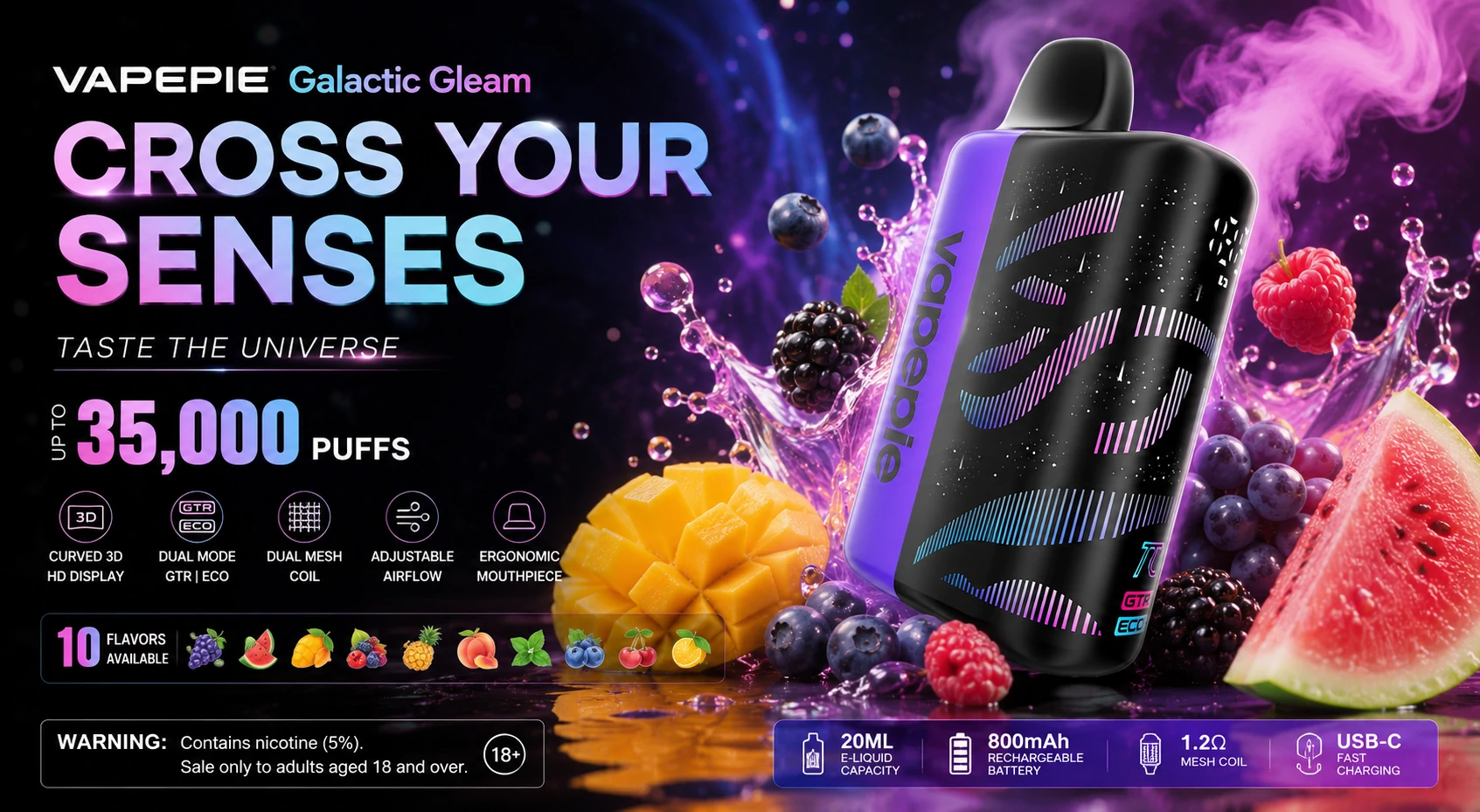
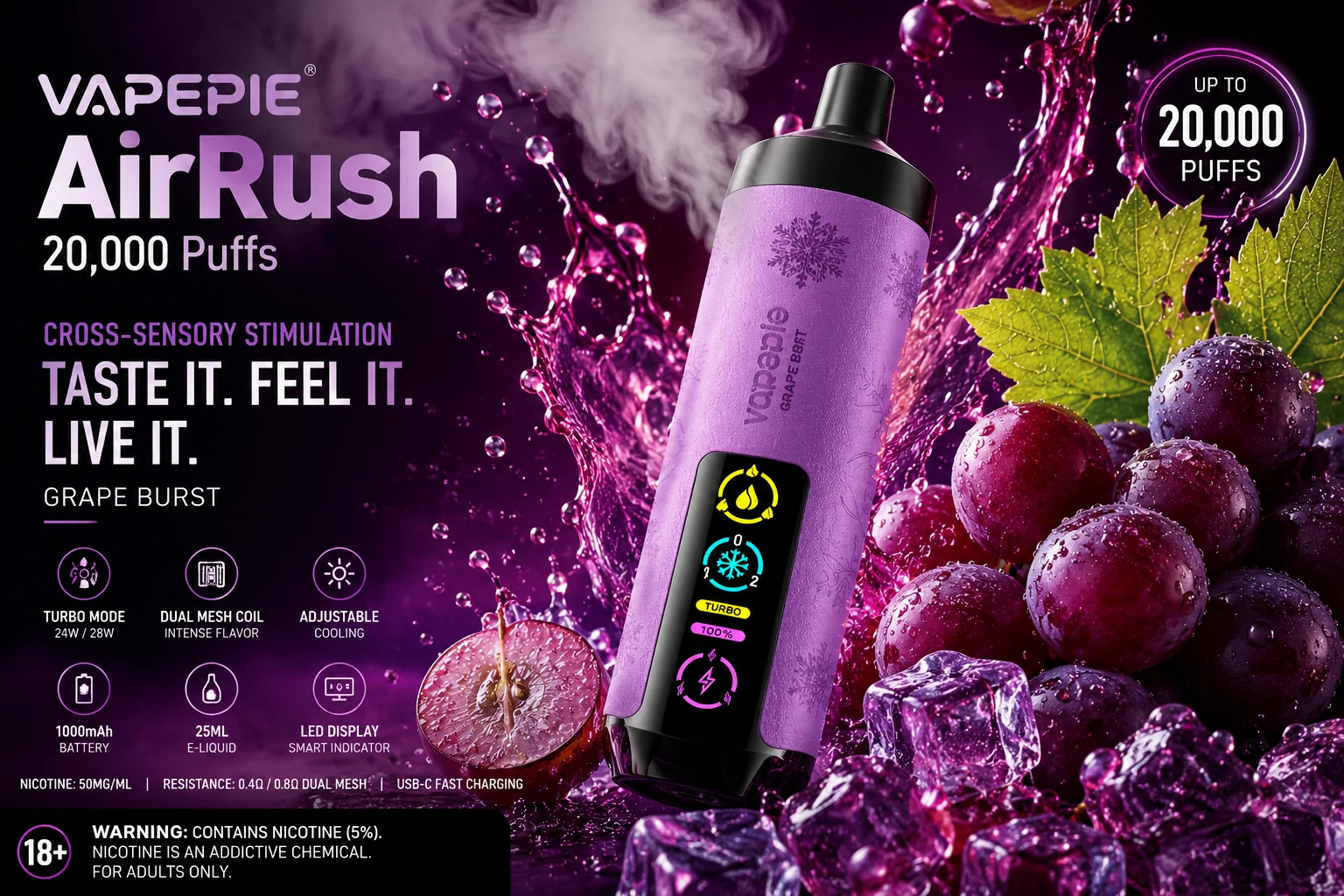
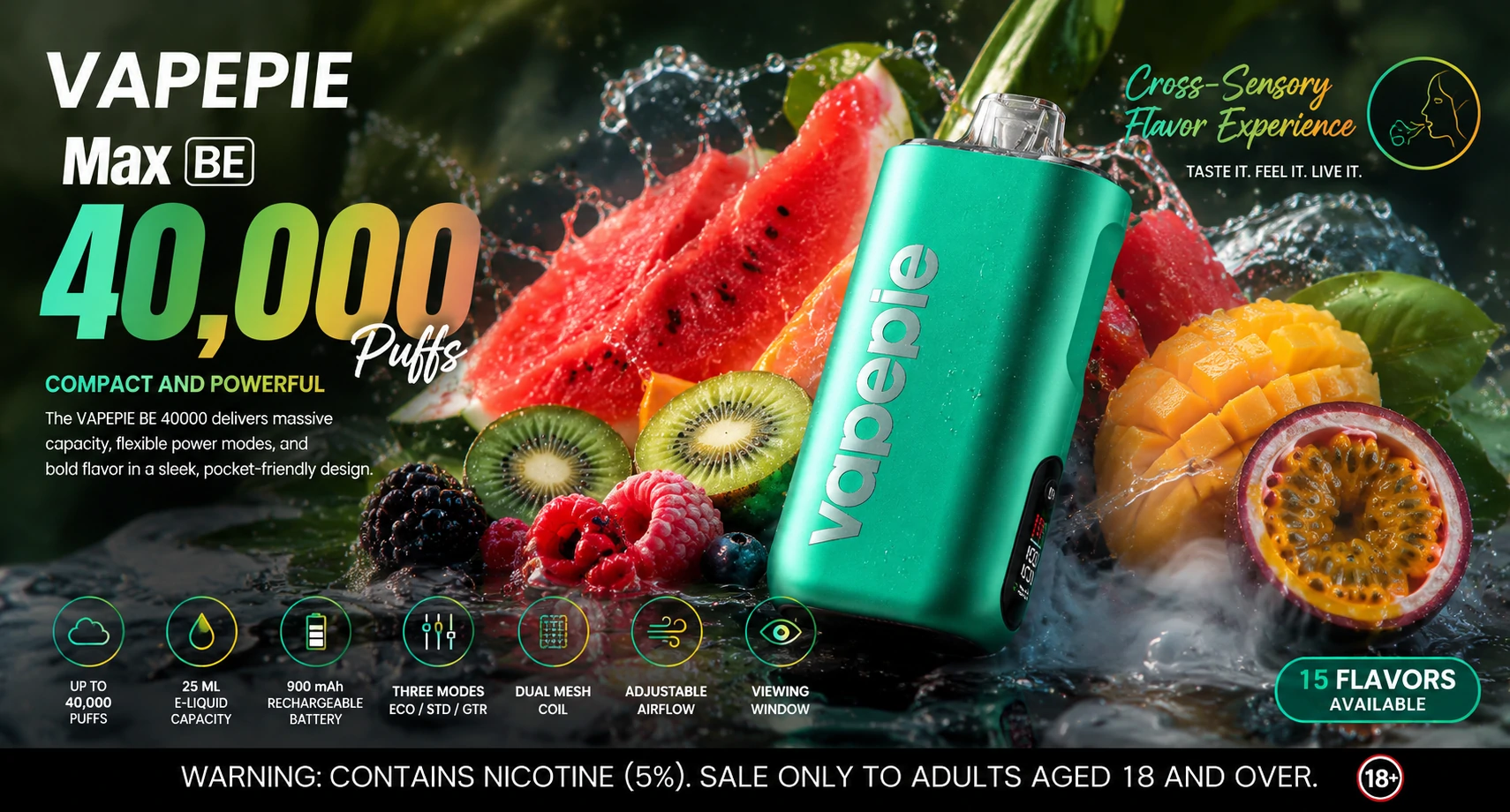
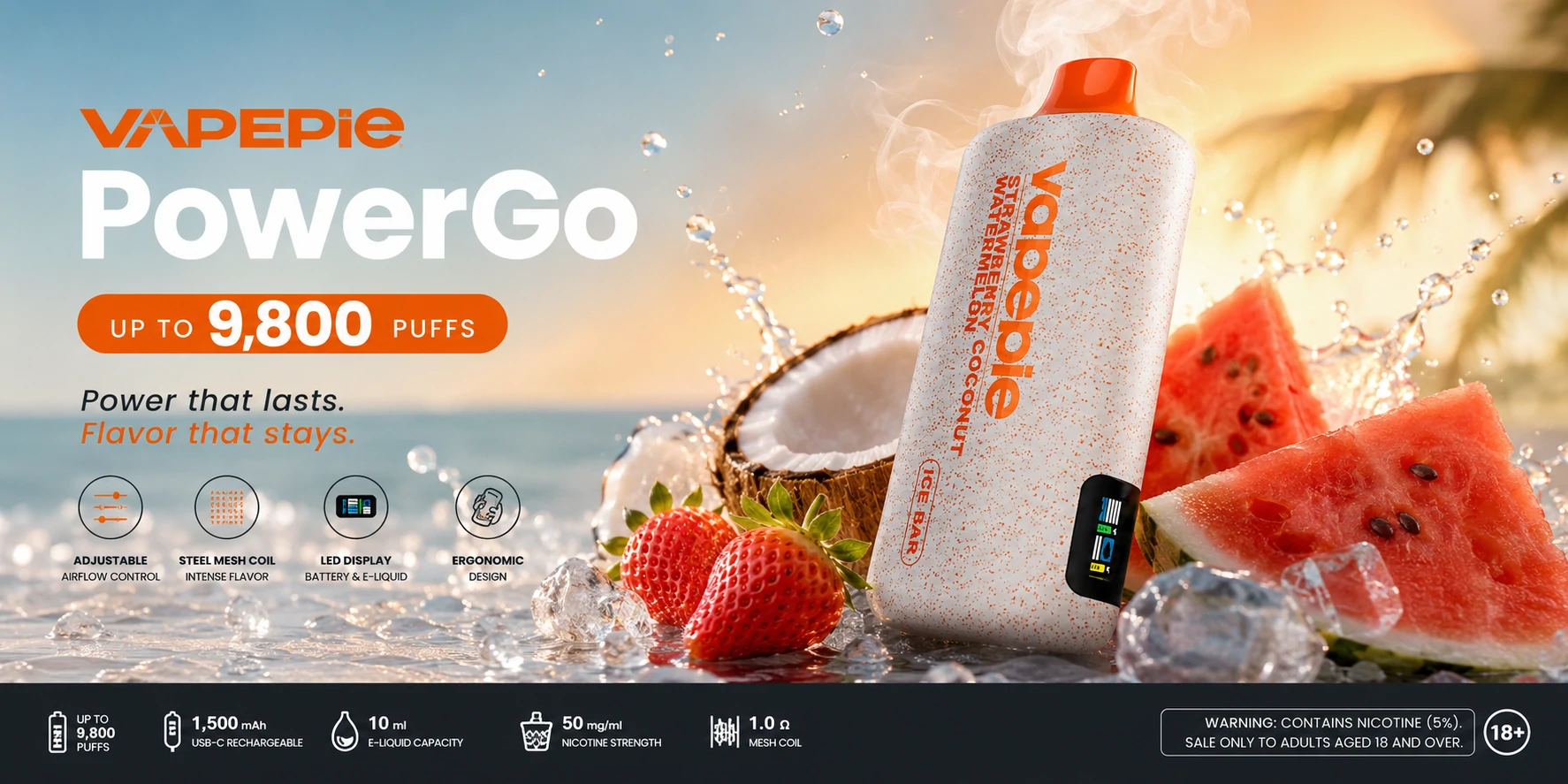
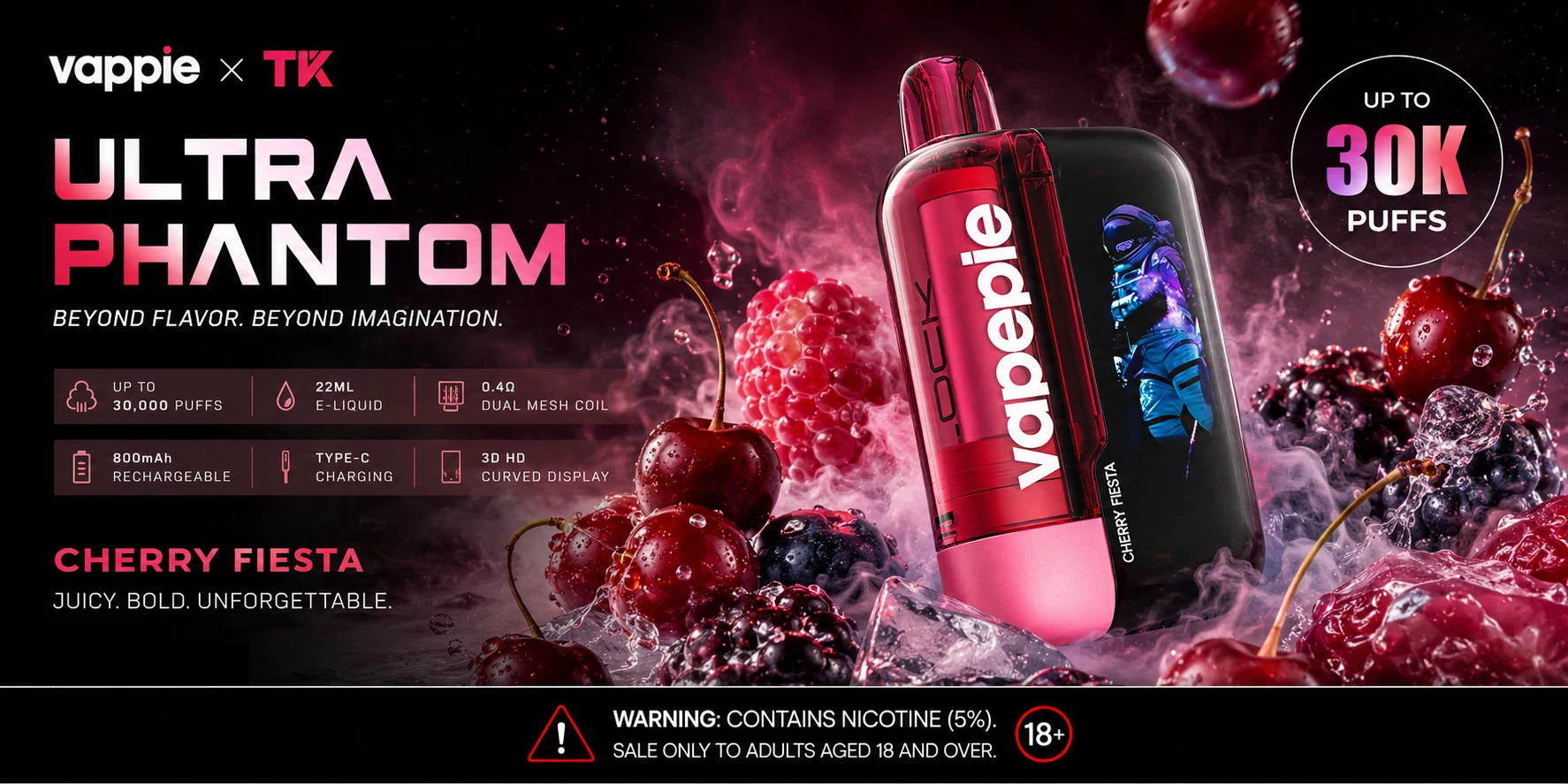
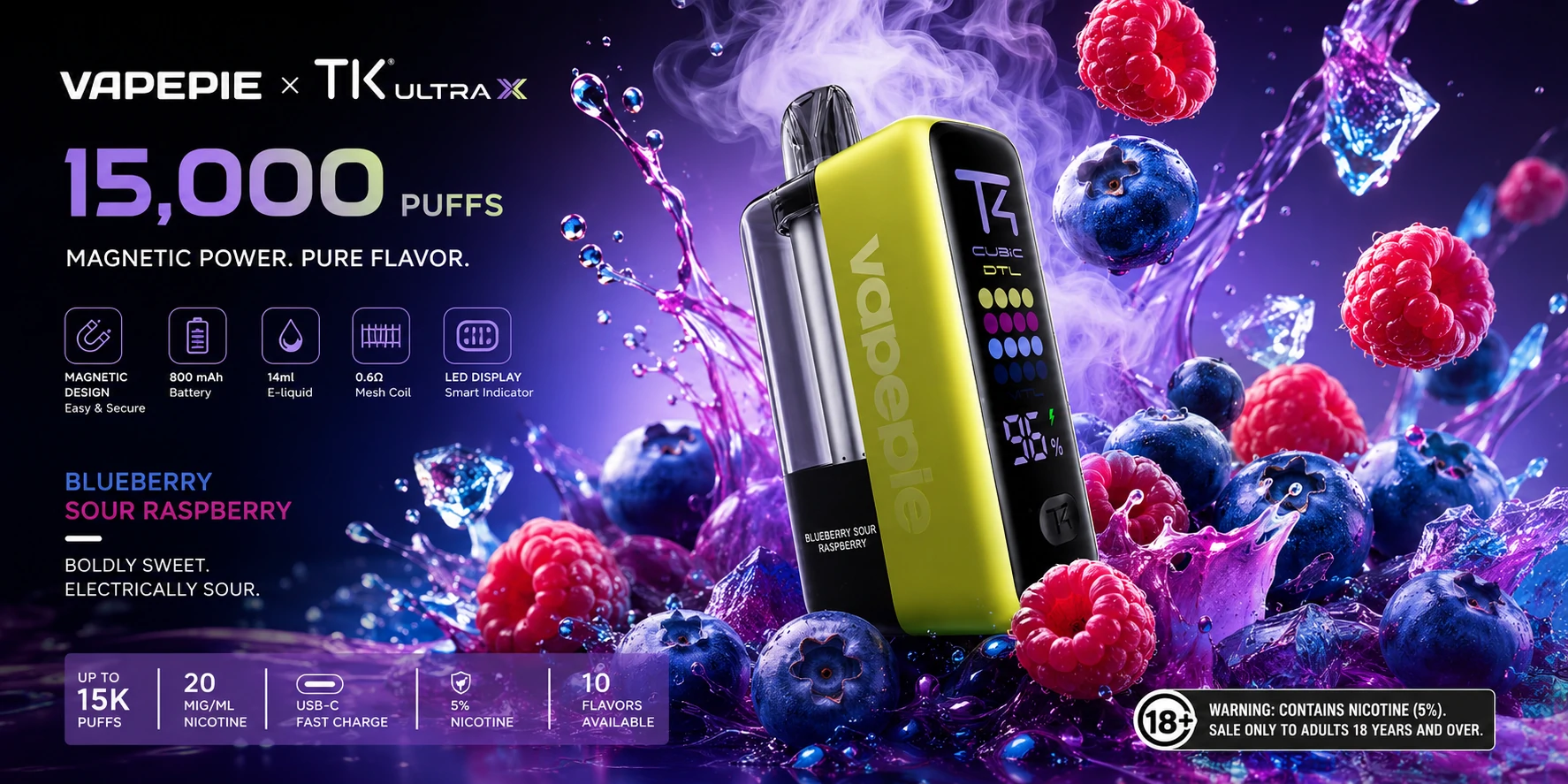
Disposable e-cigarettes—cheap, colorful, and candy-flavored—have flooded schools worldwide. Behind the sleek packaging lies a public health crisis that caught regulators asleep at the wheel.
In the fall of 2023, a high school principal in Manchester made a startling discovery: students weren't sneaking cigarettes in the bathroom anymore—they were vaping, openly, between classes. The culprit wasn't a clunky refillable device. It was a sleek, USB-sized disposable called an Elf Bar, costing less than a school lunch and delivering 600 puffs of mango-ice vapor. One student confessed she'd gone through three in a week. 'I didn't think it was a big deal,' she said. 'Everyone does it.' That sentence—everyone does it—should terrify every parent and policymaker reading this.
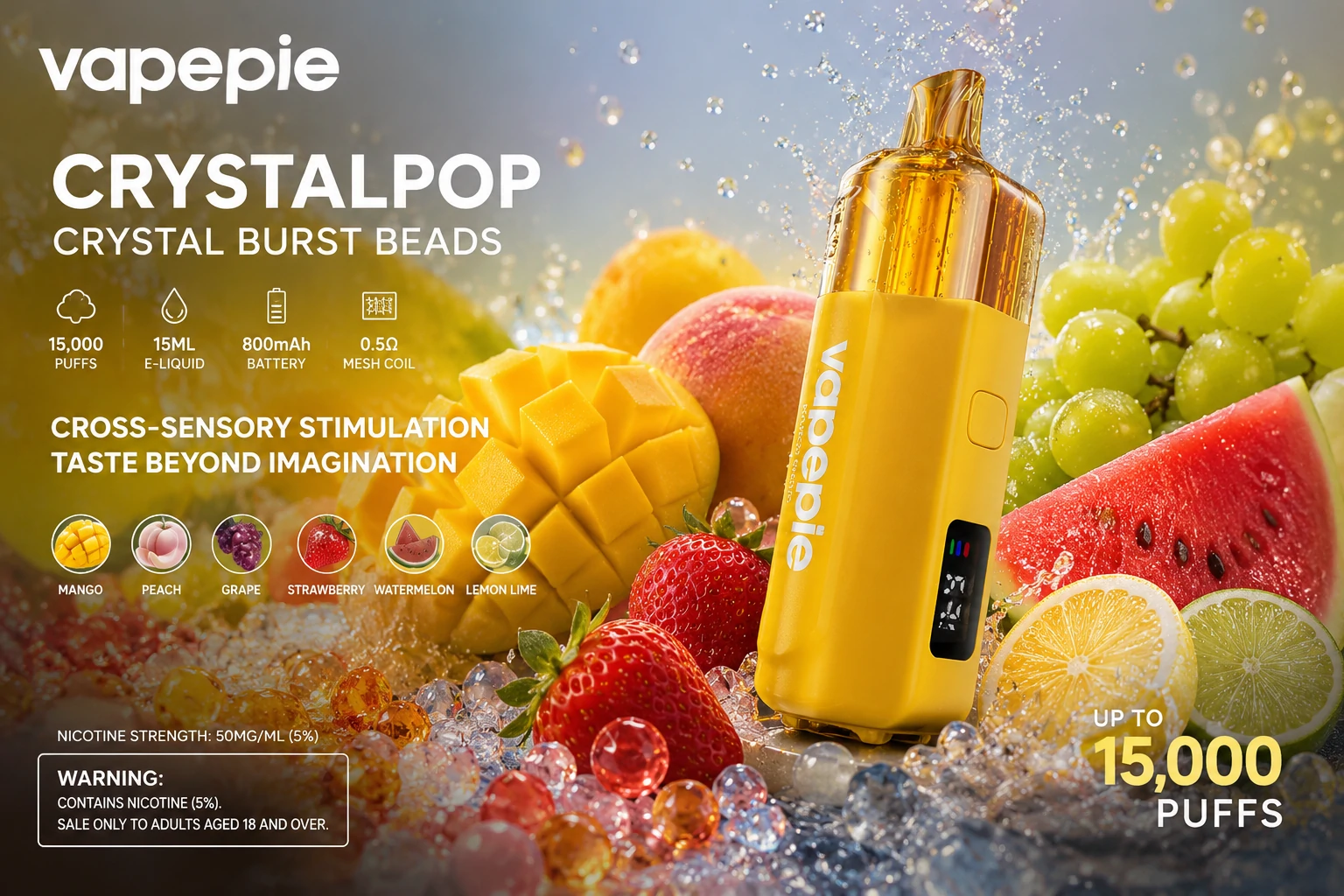
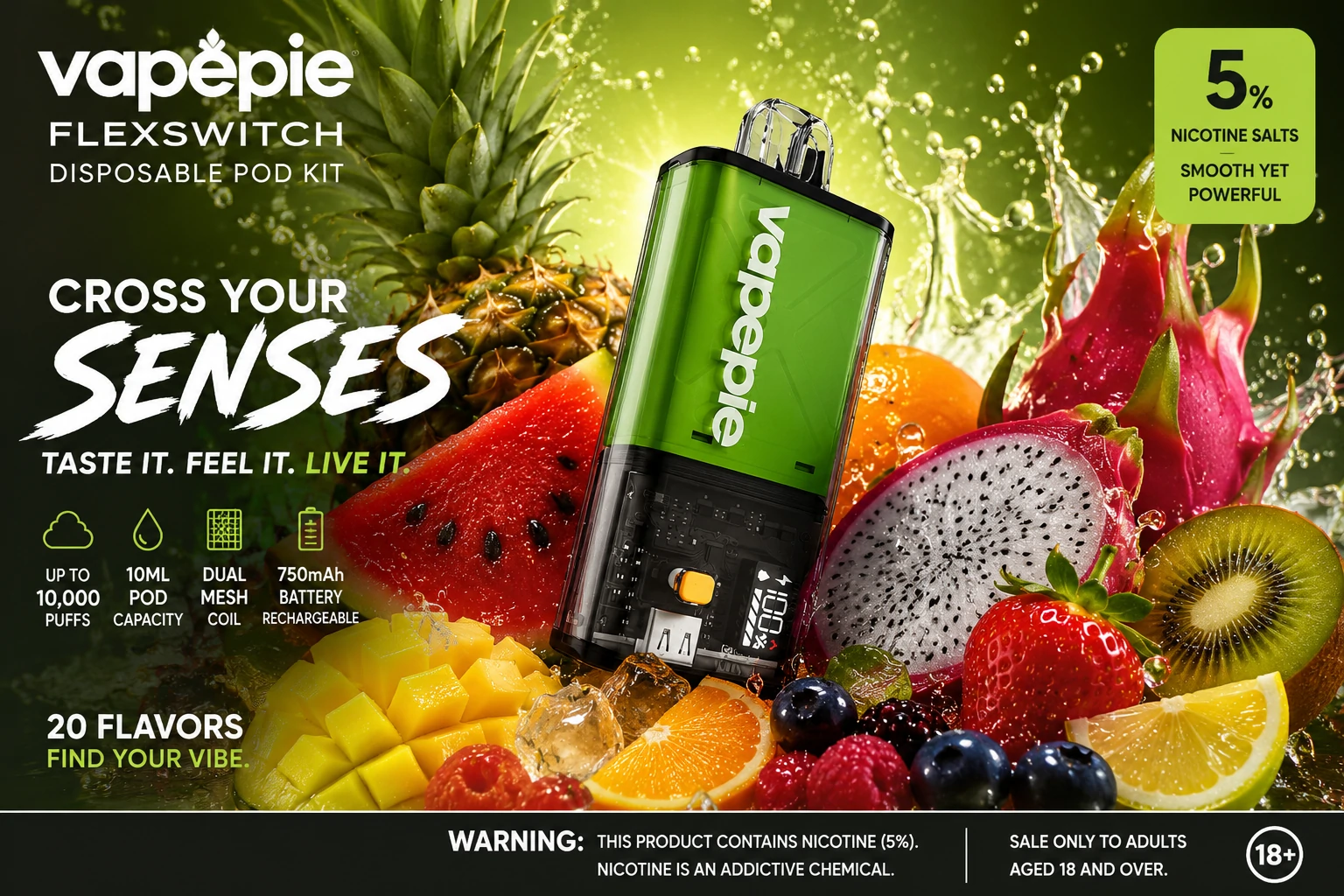
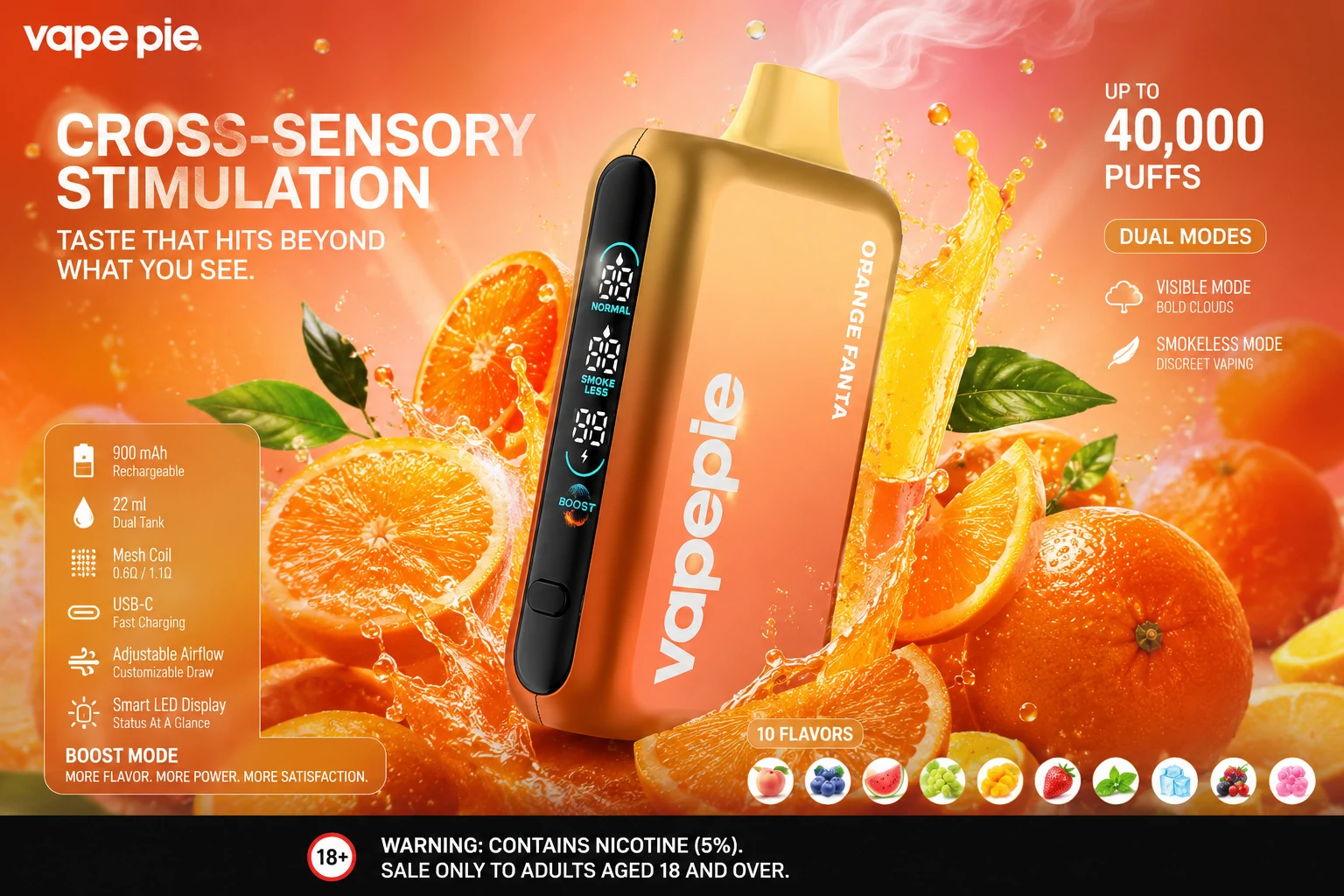
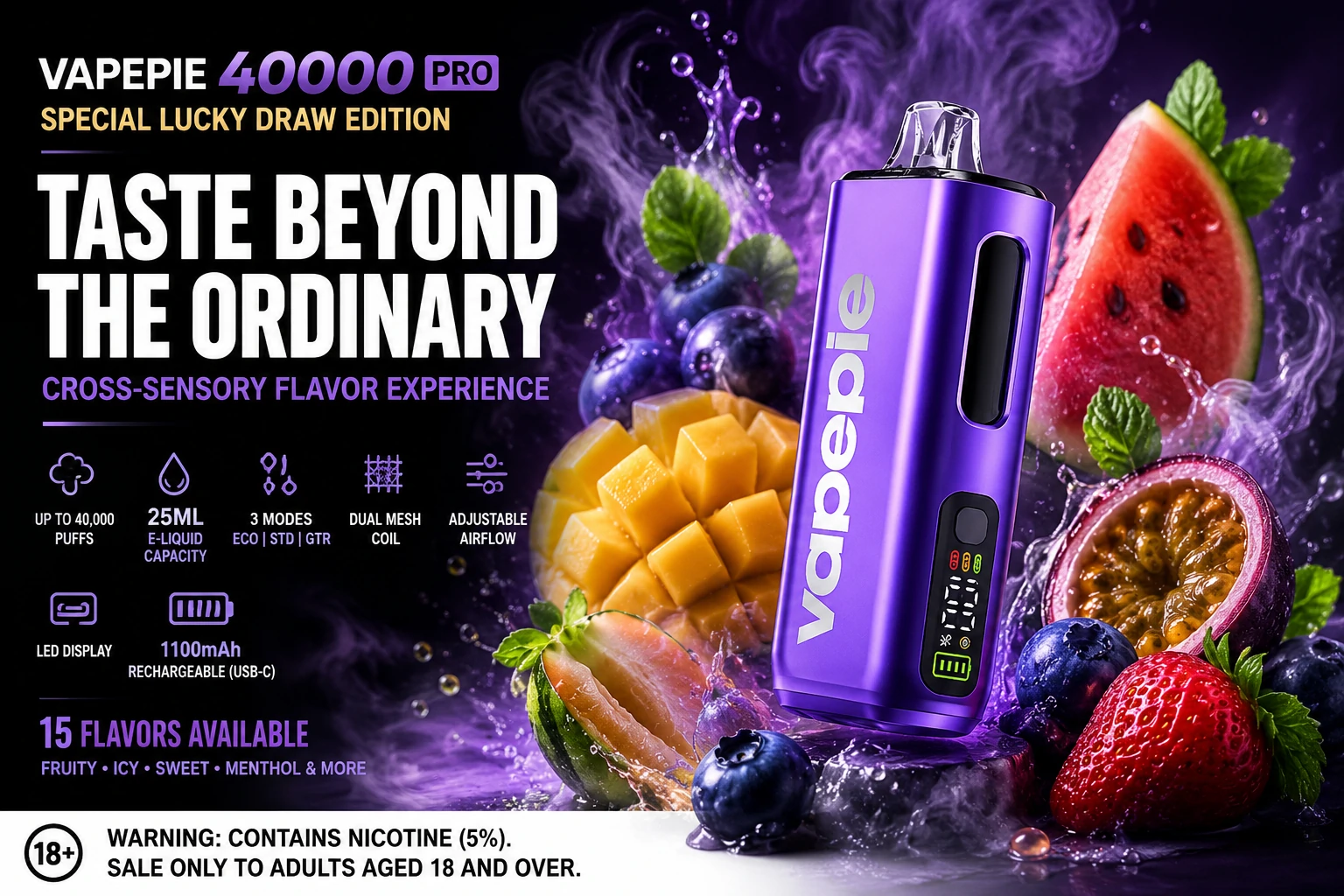
The numbers are staggering. While traditional cigarette smoking among U.S. teens has plummeted to historic lows, vaping has more than filled the void. The CDC's National Youth Tobacco Survey found that in 2024, over 2.1 million middle and high school students reported current e-cigarette use—and nearly 90% of them used flavored products. Disposables dominate the market, with brands like Elf Bar, Lost Mary, and Geek Bar proliferating faster than regulators can track. These aren't cessation tools for adult smokers; they're starter kits for nicotine-naive teenagers, designed with the color palette of a candy store and the marketing savvy of a streetwear brand.
What makes disposables uniquely dangerous is the convergence of three factors: price, discretion, and potency. At $8–$15 per device, they're impulse-buy territory for teenagers with allowance money. They produce minimal vapor, no lingering smell, and fit in the palm of a hand—making detection nearly impossible for parents and teachers. And the nicotine? Many disposables use nicotine salts at concentrations of 20–50mg/mL, delivering a throat-hit smooth enough for a first-timer but potent enough to establish dependence within days. One Elf Bar BC5000 contains roughly the nicotine equivalent of three packs of cigarettes. A teenager who goes through two a week is consuming more nicotine than a pack-a-day smoker.
The industry's defense—that these products are intended exclusively for adult smokers seeking alternatives—collapses under the weight of its own marketing. TikTok and Instagram are saturated with influencers (many themselves barely out of their teens) showcasing 'vape tricks,' unboxing new flavors, and reviewing devices against neon backdrops. A 2024 study published in *Tobacco Control* found that vaping content on TikTok had been viewed over 5 billion times, with the vast majority of videos portraying vaping positively. When researchers traced the supply chain, they found disposables being sold through the same digital storefronts that sell phone cases and sneakers—complete with student discount codes.
Schools are now the frontline of a crisis they never asked for. Teachers report students experiencing nicotine withdrawal during class—irritability, inability to concentrate, visible agitation. Some schools have installed vape detectors in bathrooms, at costs running into tens of thousands of dollars. Others have shifted toward suspension and even expulsion for repeat offenders, a punitive approach that addiction specialists warn is counterproductive. 'You can't punish an addiction out of a child,' says Dr. Sharon Levy, chief of adolescent substance use at Boston Children's Hospital. 'What these kids need is treatment, not discipline—but most schools have no framework for that.'
Governments are scrambling to respond, but the policy landscape is fragmented. The UK announced a ban on disposable vapes set to take effect in mid-2025, citing both youth uptake and environmental concerns. France moved even faster, with its ban passing in early 2024. Australia has restricted vapes to pharmacy-only sales with a prescription. Yet in the United States, federal action has been slower—the FDA has authorized only a handful of e-cigarette products for sale while thousands of unauthorized disposables continue to flood the market. The gap between enforcement capacity and industry ingenuity is a chasm, and products banned in one country simply pivot to the next.
The path forward demands urgency over perfection. Waiting for years-long longitudinal studies while a generation gets hooked on nicotine is not a neutral position—it's complicity. Effective action means plain packaging and point-of-sale restrictions that strip products of their toy-like appeal. It means meaningful fines—not cost-of-doing-business slaps on the wrist—for retailers selling to minors. It means holding social media platforms accountable for algorithmically amplifying pro-vaping content to teenage audiences. And above all, it means treating youth nicotine addiction as the health crisis it is, with funded school-based cessation programs and public awareness campaigns that don't preach, but inform. As one 16-year-old former vaper put it: 'I wish someone had told me it wasn't harmless water vapor. By the time I found out, I was already hooked.'