The Consumer's Guide to Vaping in 2026: What's Changing, What's Safe, and What to Buy
A practical guide for smokers and vapers on navigating the 2026 vaping market: new regulations, device choices, safety tips, and value picks.
If you vape or smoke, you've probably noticed the shelves look different lately. In 2026, the vaping industry is undergoing its biggest shake-up in a decade. From flavor bans to disposable device restrictions, regulators worldwide are tightening the rules. For consumers, it's a mixed bag: fewer options, but also clearer safety standards. This guide cuts through the noise, giving you the facts you need to make smart choices—whether you're a seasoned vaper, a dual user, or just curious about switching.
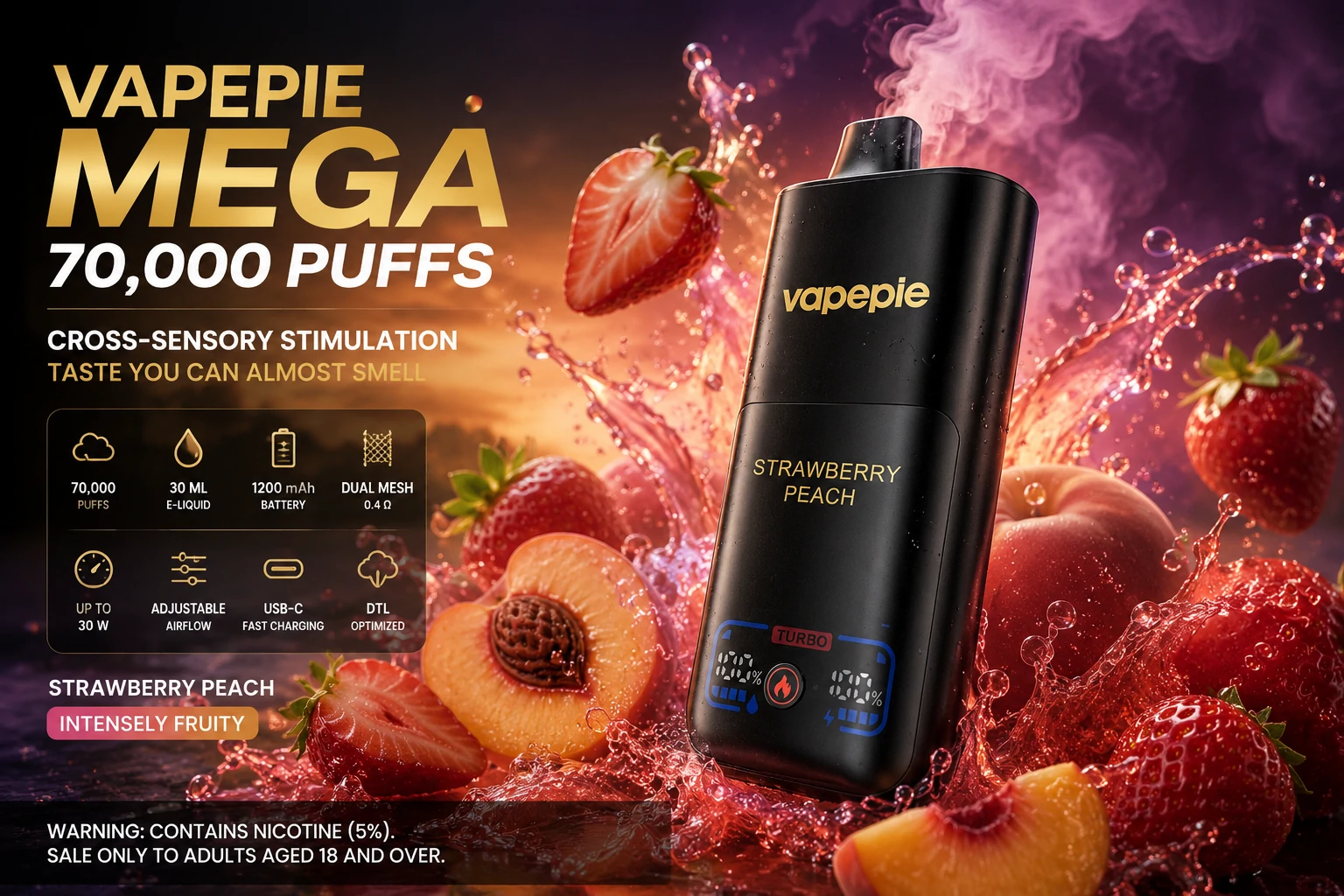
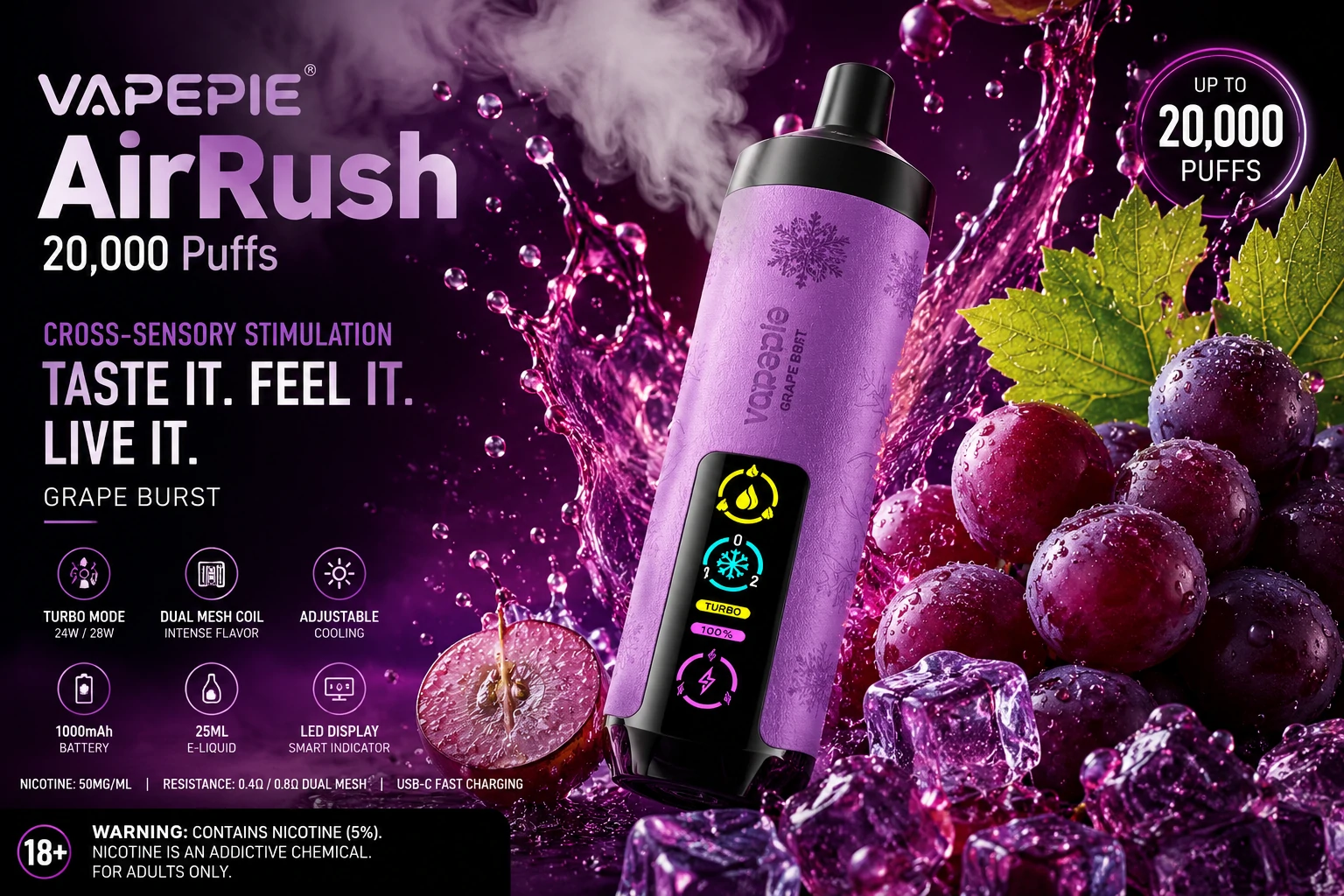
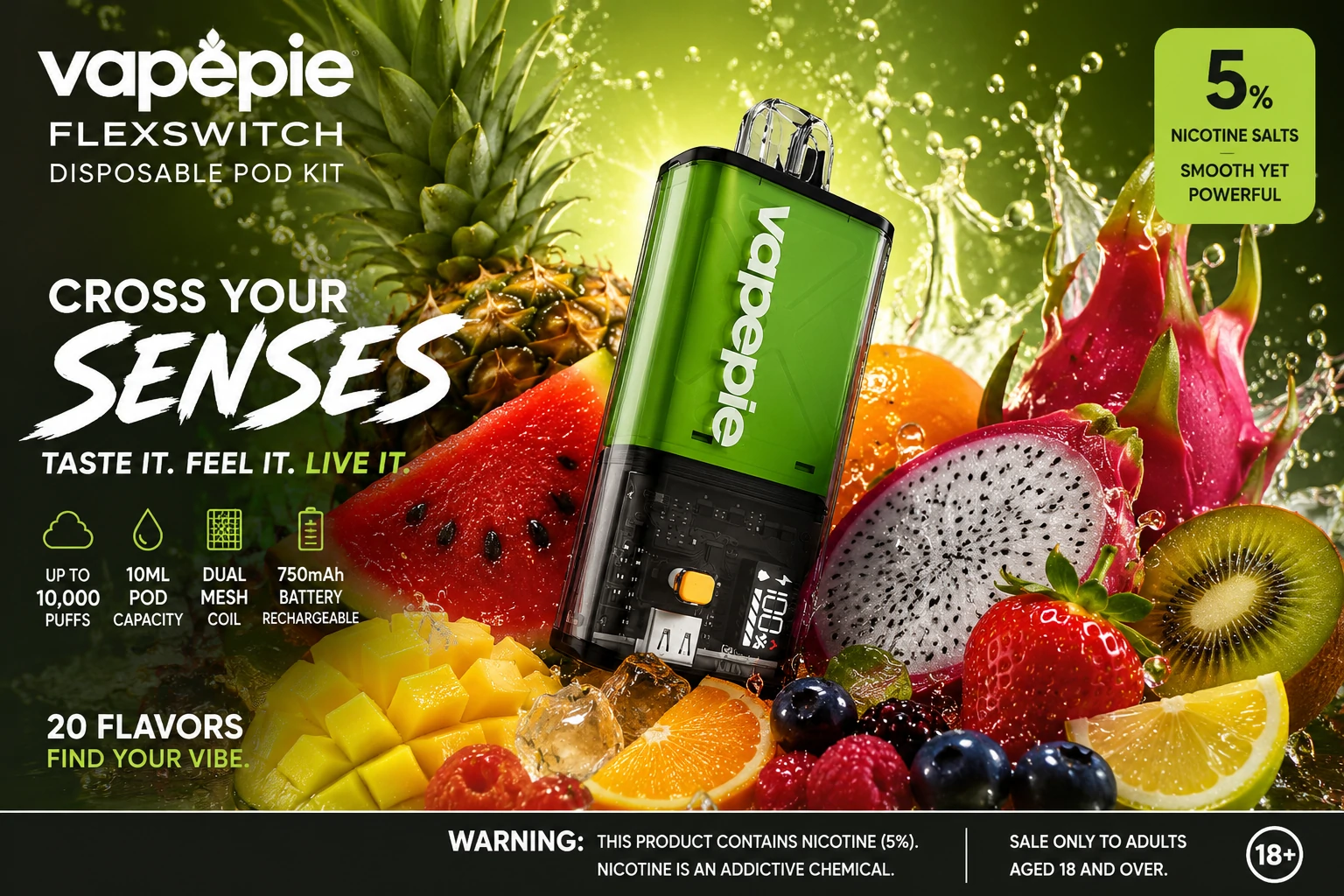
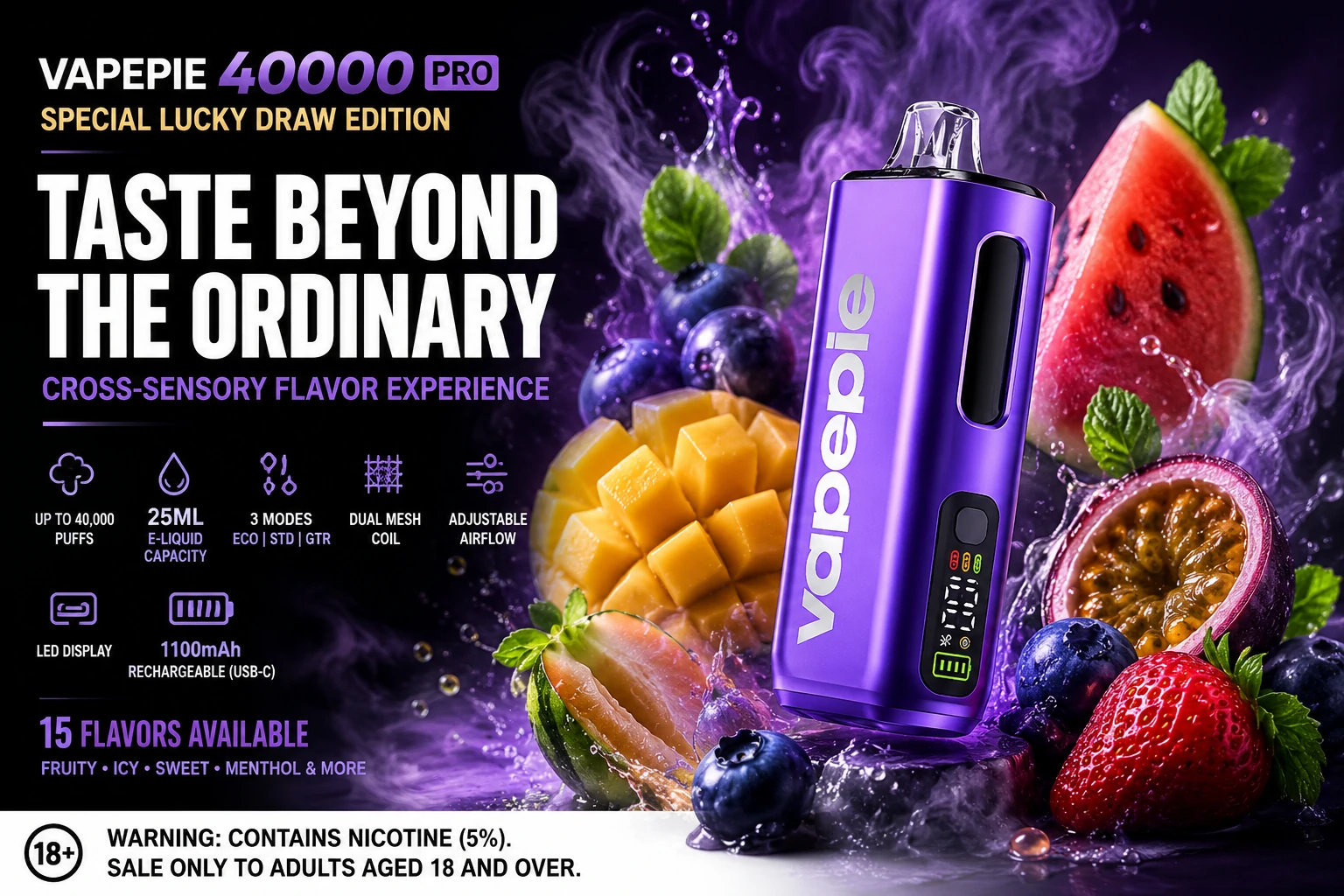
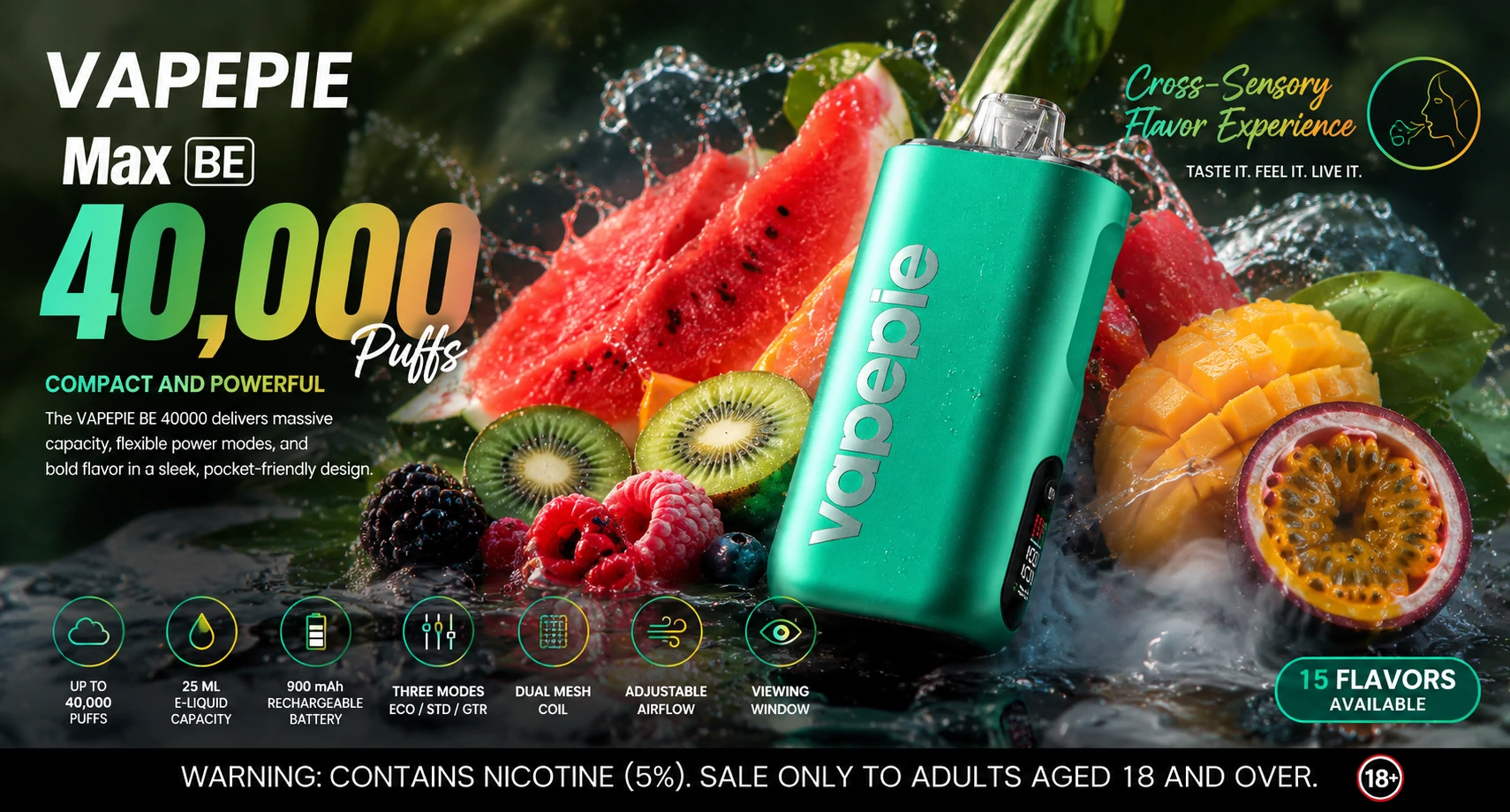
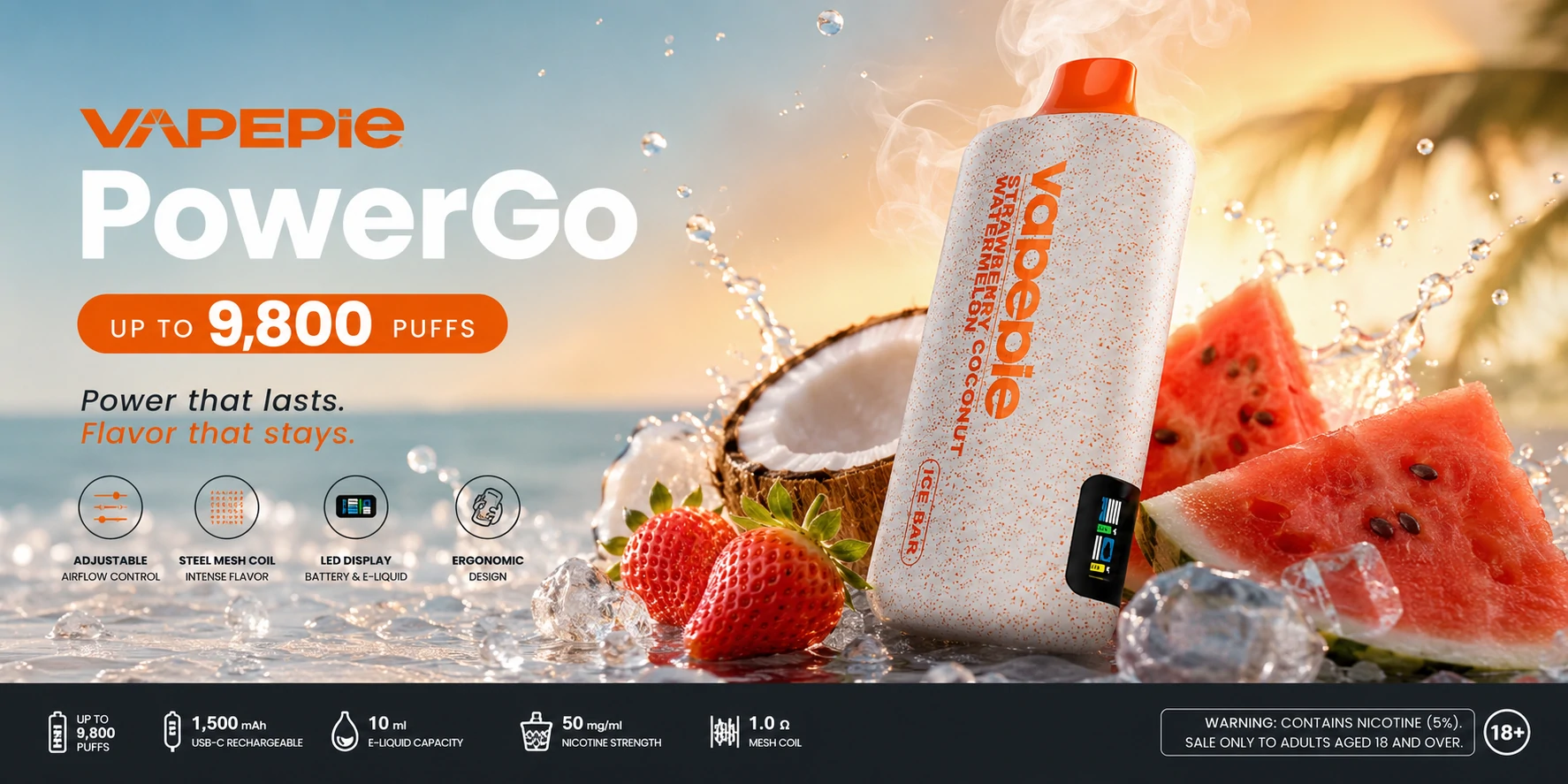
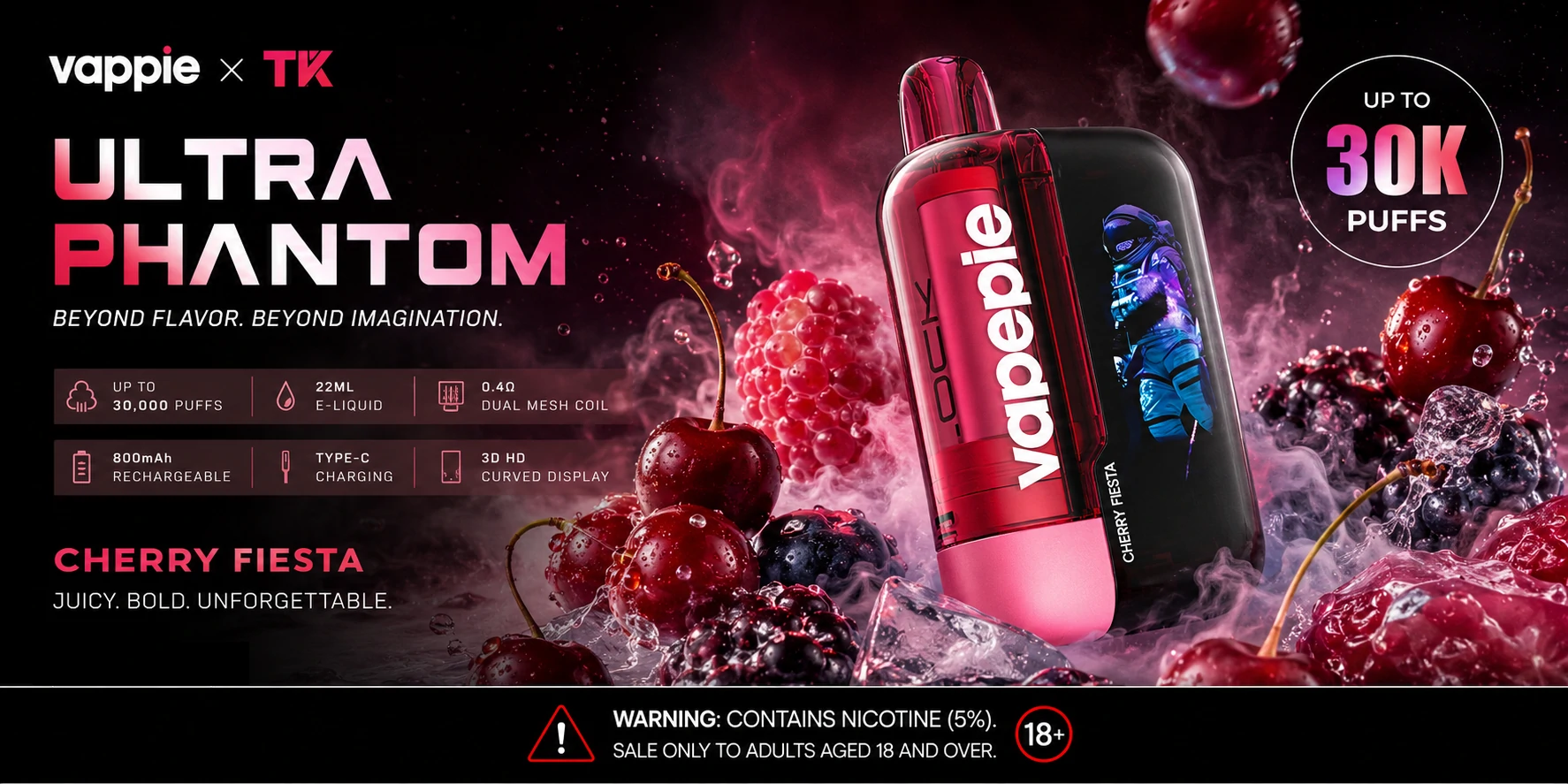
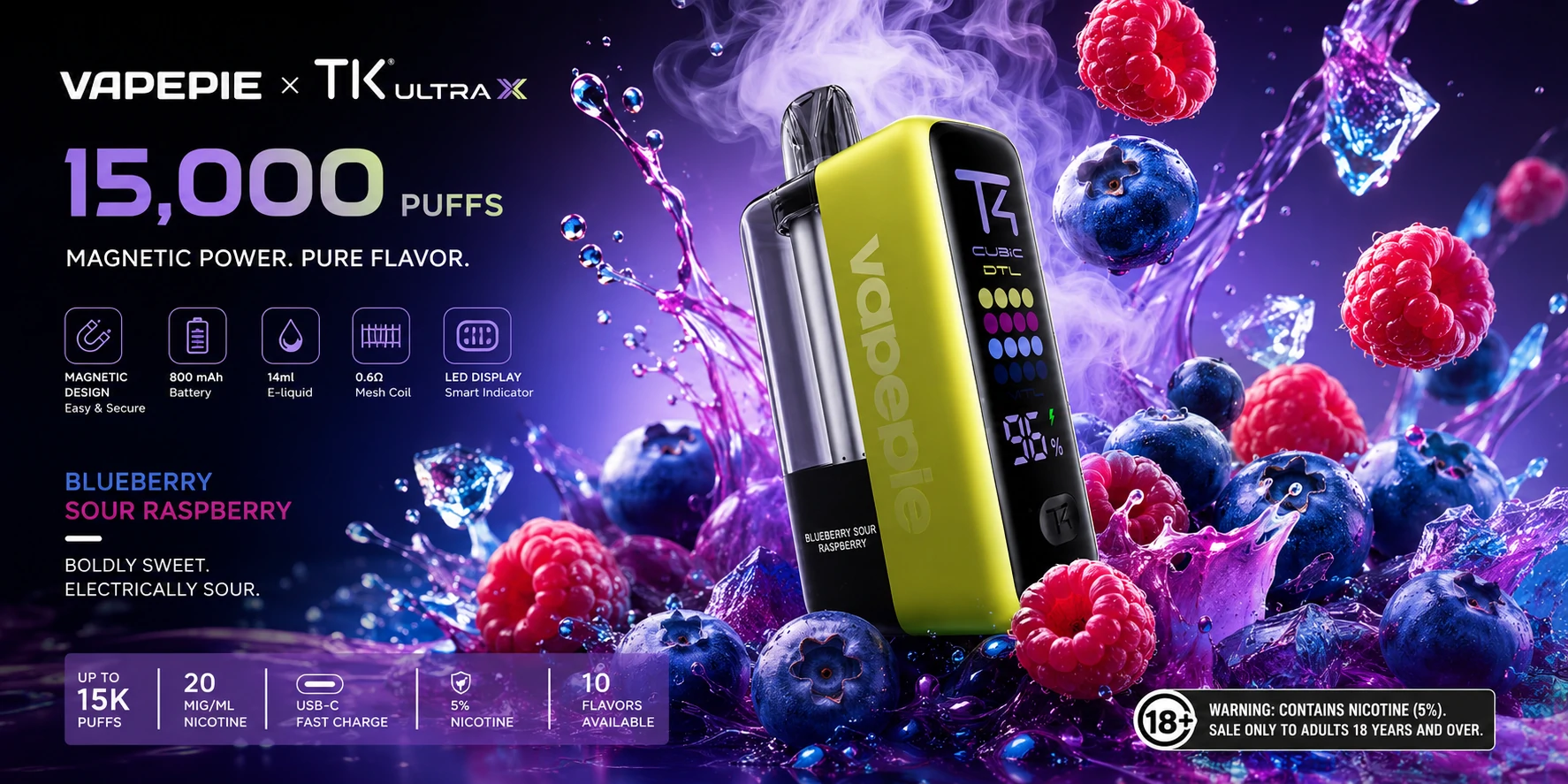
The most visible change is the crackdown on disposable vapes. The UK, EU, and several US states have banned or restricted single-use devices, citing environmental concerns and youth appeal. But that doesn't mean disposables are gone—they've evolved. Many brands now offer rechargeable disposables with replaceable pods, blending convenience with sustainability. Meanwhile, traditional cigarettes are facing stricter taxation and plain packaging. The result? A market that's more regulated but also more confusing. Knowing what's allowed where is step one.
When choosing a device, consider your smoking habits. Heavy smokers (20+ cigarettes/day) may need a high-wattage mod with sub-ohm coils to get enough nicotine. Light smokers (under 10/day) often do well with pod systems or disposables at 20mg/ml nicotine strength. If you're quitting, a device with adjustable airflow and wattage gives you room to taper. And don't overlook coil compatibility—proprietary pods can lock you into a brand. Our advice: start with a refillable pod system if you want long-term savings and flexibility.
Safety remains paramount. In 2026, counterfeit products are rampant online. Always buy from reputable retailers and check for authentication codes. Avoid unregulated imports—they may contain harmful substances. Battery safety is another concern: use devices with built-in protections and never charge overnight. Also, keep an eye on nicotine strength. New caps in some regions limit concentrations to 20mg/ml, but higher-strength products still exist. If you're new, start low and adjust. And remember: vaping is not risk-free, but it's significantly less harmful than smoking.
Cost-wise, disposables are the most expensive per puff, while refillable systems offer the best value. A typical disposable (600 puffs) costs $10–$15, whereas a refillable pod system with e-liquid can cost under $5 per week for moderate users. But upfront costs matter: a good starter kit runs $30–$50. Consider your budget and commitment. If you're testing the waters, a disposable is low-risk; if you're switching permanently, invest in a refillable device. And watch for local taxes—some areas now levy excise taxes on e-liquids, raising prices.
Looking ahead, the trend is clear: vaping is becoming more regulated, more expensive, and more standardized. But that's not necessarily bad. Stricter rules mean fewer dangerous knockoffs and more accurate labeling. For consumers, the key is to stay informed. Follow local regulations, choose products from reputable brands, and prioritize safety over flashy marketing. Whether you're a smoker looking to quit or a vaper seeking better options, 2026 offers more clarity—if you know where to look.
What's your biggest challenge in navigating the new vaping landscape? Share your thoughts in the comments—we'd love to hear from you.