The Cigarette Marketing Machine: How a Product That Can't Be Advertised Still Finds Its Audience
Cigarette advertising has been banned from television, radio, billboards, and print for decades. And yet Marlboro is still one of the most recognized brands on earth. The marketing machine hasn't stopped. It just went underground—into retail, into design, into culture itself.
Walk into a convenience store in any American city. Behind the counter, stretching from floor to ceiling, is the 'power wall'—a meticulously organized display of cigarette brands, each pack positioned at precisely the right height and angle to maximize visibility. The wall is not an accident. It is the product of slotting fees paid by tobacco companies to retailers, of planograms designed by marketing professionals, of decades of research into which colors, positions, and adjacencies maximize sales. **The power wall is the most effective cigarette advertisement in the world—and it is perfectly legal**, because it's classified as a 'retail display,' not an advertisement. The broadcast ban of 1971, the billboard ban of 1999, the print advertising restrictions of the MSA—none of them touch the power wall. The cigarette marketing machine didn't die when advertising was banned. It migrated to the spaces the bans didn't reach.
**The retail environment is the cigarette industry's last mass-market channel**, and the industry has optimized it with the precision of a Silicon Valley growth team. Every element of the cigarette purchase experience has been engineered: the position of the display (eye level, behind the counter, where the customer is already standing), the color coding (Marlboro Red—the iconic 'cowboy' red that has near-universal brand recognition without a word of text), the packaging innovations (the rounded corners of the Marlboro 'flip-top' box, the 'crushball' capsule in menthol cigarettes that gives the smoker an interactive experience), the price promotions (the 'buy two, get one free' offers that are communicated through tiny numbers on the pack, invisible to nonsmokers but instantly legible to smokers). None of these are 'advertising' in the legal sense. All of them are marketing—and the cumulative effect is more powerful than any billboard.
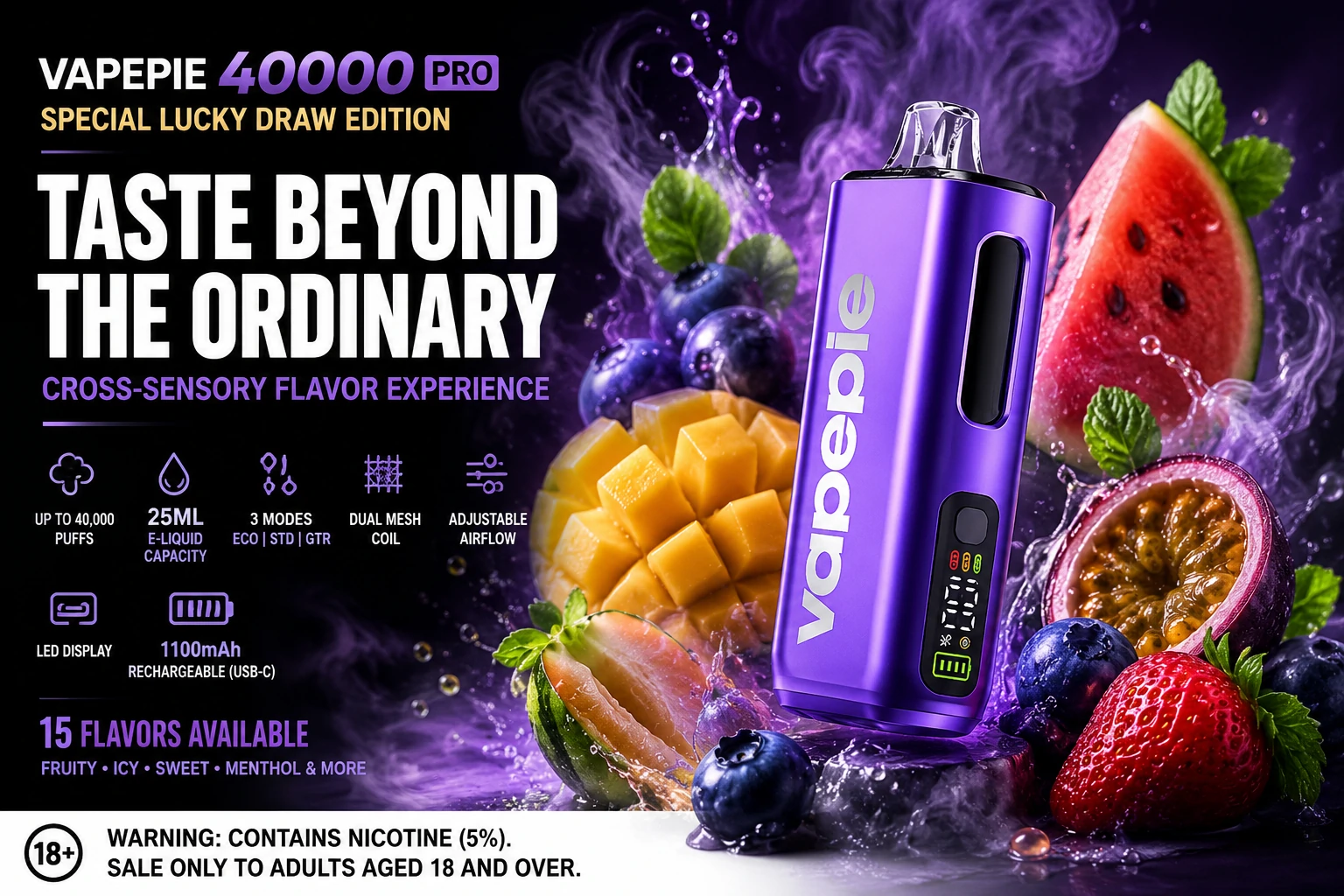
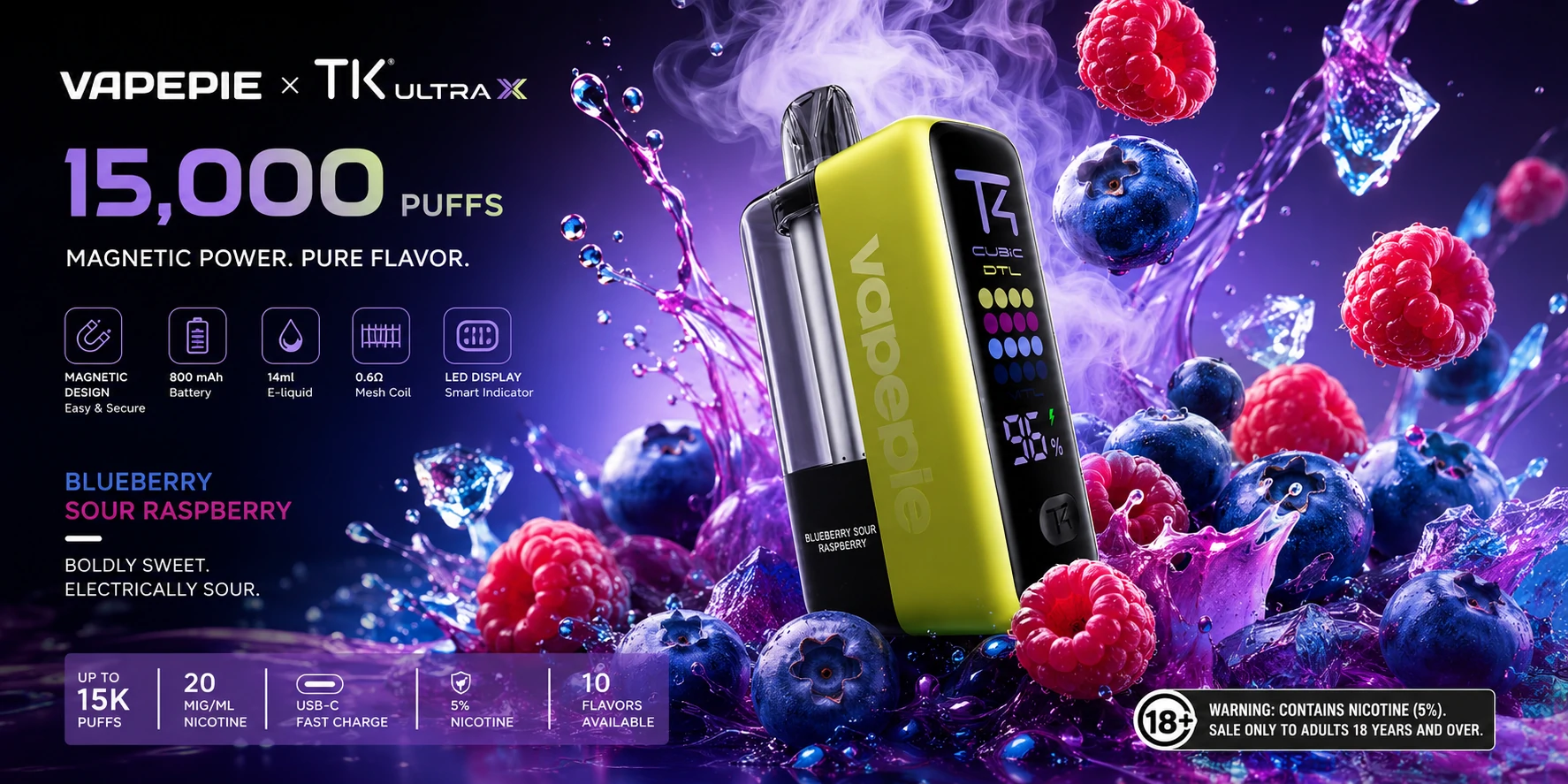
**Pack design has become the primary advertising medium** in a world where all other media are restricted. The cigarette pack is a miniature billboard that the smoker carries in their pocket, displays on the table, and sees dozens of times per day. The industry has invested enormous resources in pack design—not despite the advertising restrictions, but because of them. The pack is the only communication channel that cannot be regulated away without banning the product entirely. The design elements that distinguish one brand from another—the shade of red on a Marlboro box, the geometry of the Camel logo, the typeface on a Parliament pack—are as carefully calibrated as any Super Bowl ad. The plain-packaging movement, pioneered by Australia and adopted by a growing number of countries, is a recognition that the pack is an advertising medium and that the only way to eliminate its marketing function is to eliminate its design. The industry's fierce opposition to plain packaging—including the decade-long WTO litigation—is a measure of how important the pack is to its marketing strategy.
**The digital dimension of cigarette marketing is the frontier** that regulators are only beginning to understand. The broadcast ban prohibits cigarette advertising on 'any medium of electronic communication subject to the jurisdiction of the Federal Communications Commission'—a definition that was written in 1971 and that has nothing to say about social media influencers, algorithmically-targeted content, or the ambient product placement that saturates digital culture. The cigarette industry does not run Instagram ads for Marlboro. It doesn't need to. The cultural presence of the cigarette—in films, in television, in the photographs of cool people doing cool things—is the advertisement. The industry's investment in product placement (which continues, despite voluntary restrictions) and in the cultivation of cultural associations (the 'Marlboro Man' as an archetype, even though the specific ads were banned decades ago) is a long-term bet on the persistence of the cigarette aesthetic in a media environment the industry cannot directly advertise in but can indirectly influence.
**The most effective cigarette marketing is invisible**—so embedded in the retail environment, the product design, and the cultural background that it doesn't register as marketing at all. The smoker who chooses Marlboro over a generic brand is making a choice that feels personal—'I like the taste,' 'it's what I've always smoked'—but that is the product of a century of brand-building that no advertising ban can undo. The cigarette marketing machine is not trying to create new smokers. It is trying to retain the smokers it has, to maximize the profitability of each remaining cigarette sale, and to sustain the brand equity that will be valuable even as the cigarette market declines. The machine is quieter than it was in the Mad Men era. It is also smarter—and the regulatory framework, designed for the advertising environment of the 20th century, has barely begun to catch up.
**💬 What do you think?** When you walk into a convenience store, do you notice the cigarette display behind the counter? Does it affect you—or have you learned to tune it out? What kind of marketing, if any, has influenced your relationship with cigarettes?