The Cannabis-Nicotine Convergence: Why Big Tobacco and Big Cannabis Are on a Collision Course
As cannabis legalization spreads and cigarette consumption declines, the tobacco and cannabis industries are converging—through shared delivery technology, cross-industry investment, and an overlapping consumer base. The regulatory systems for the two substances remain entirely separate, and entirely unprepared.
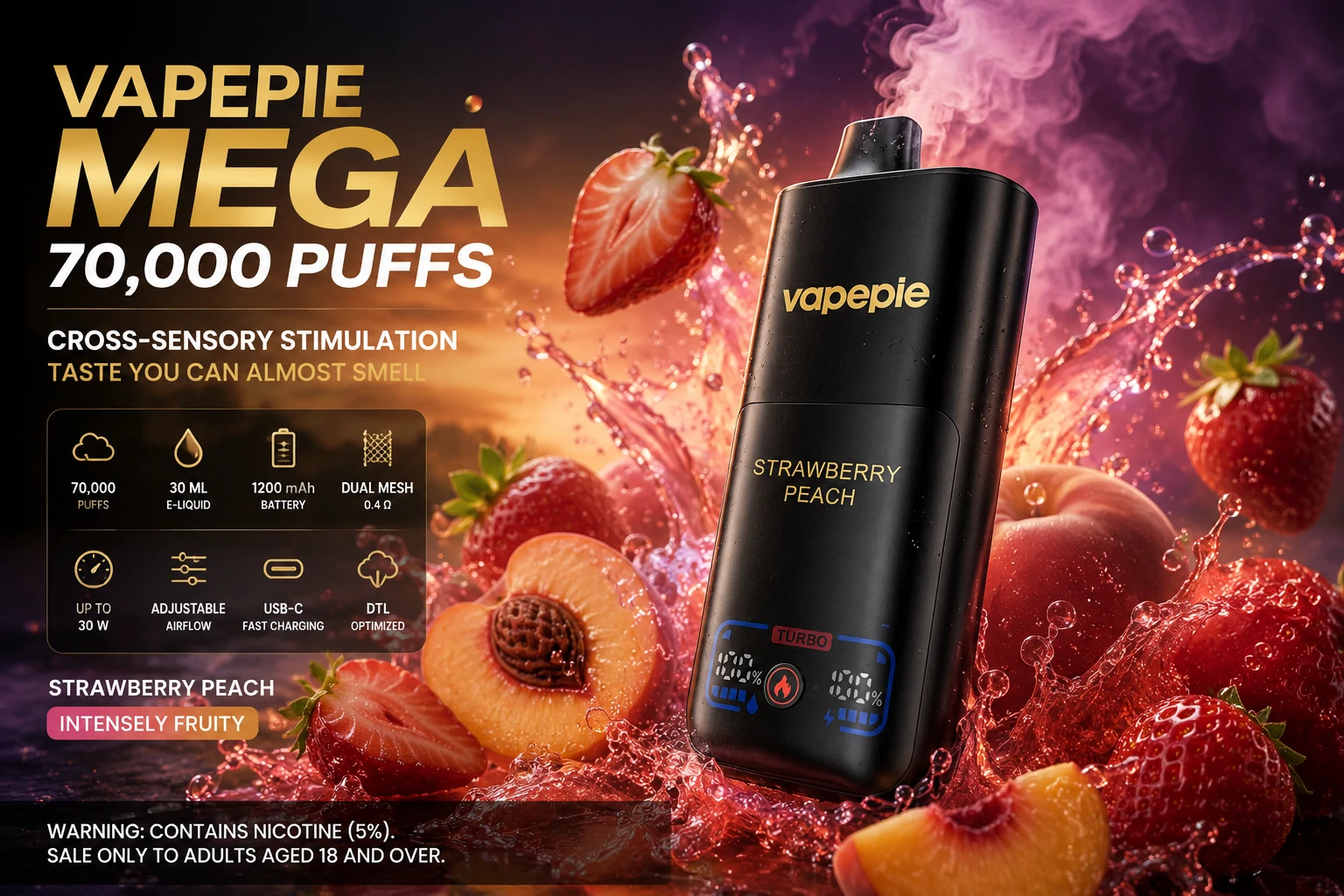
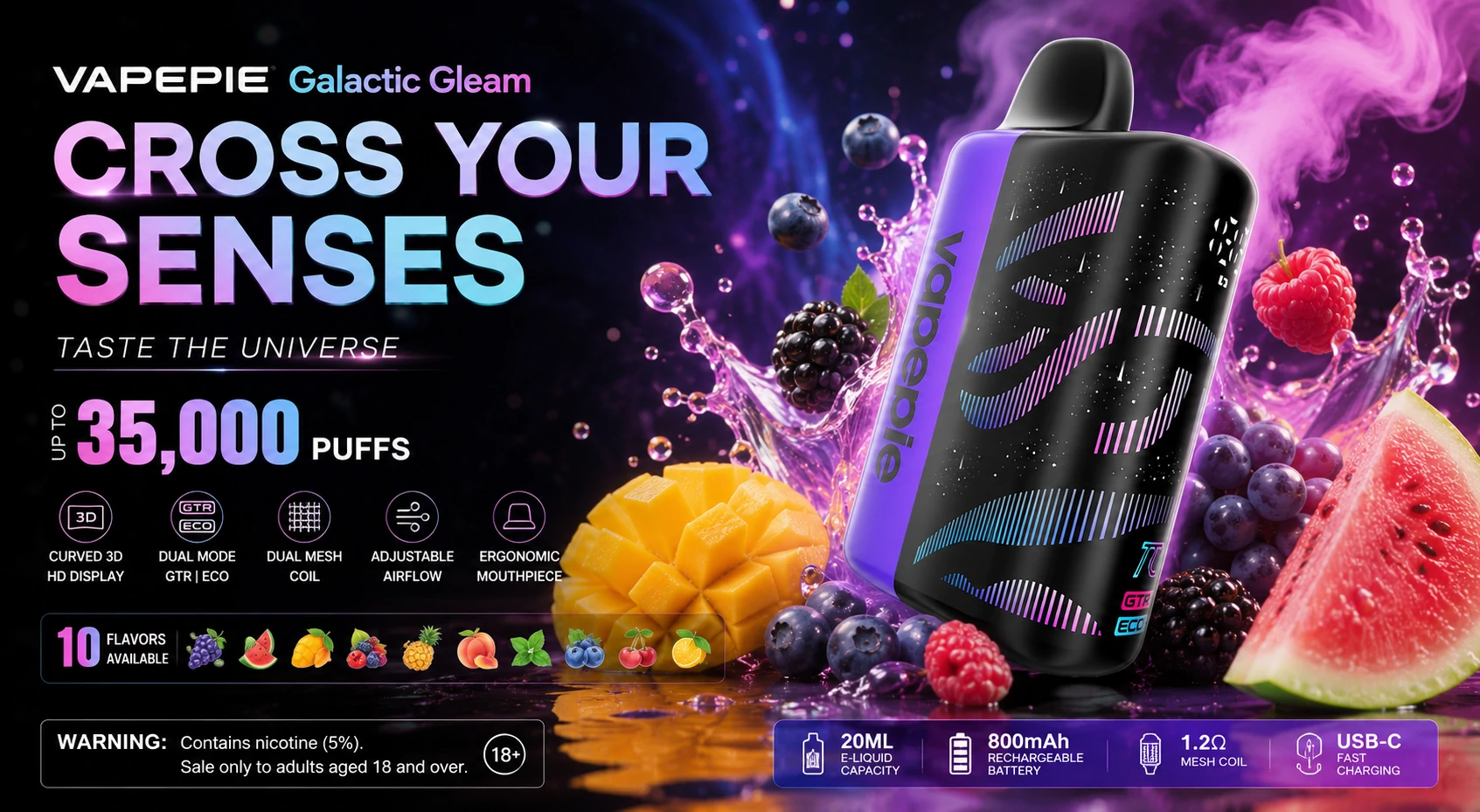
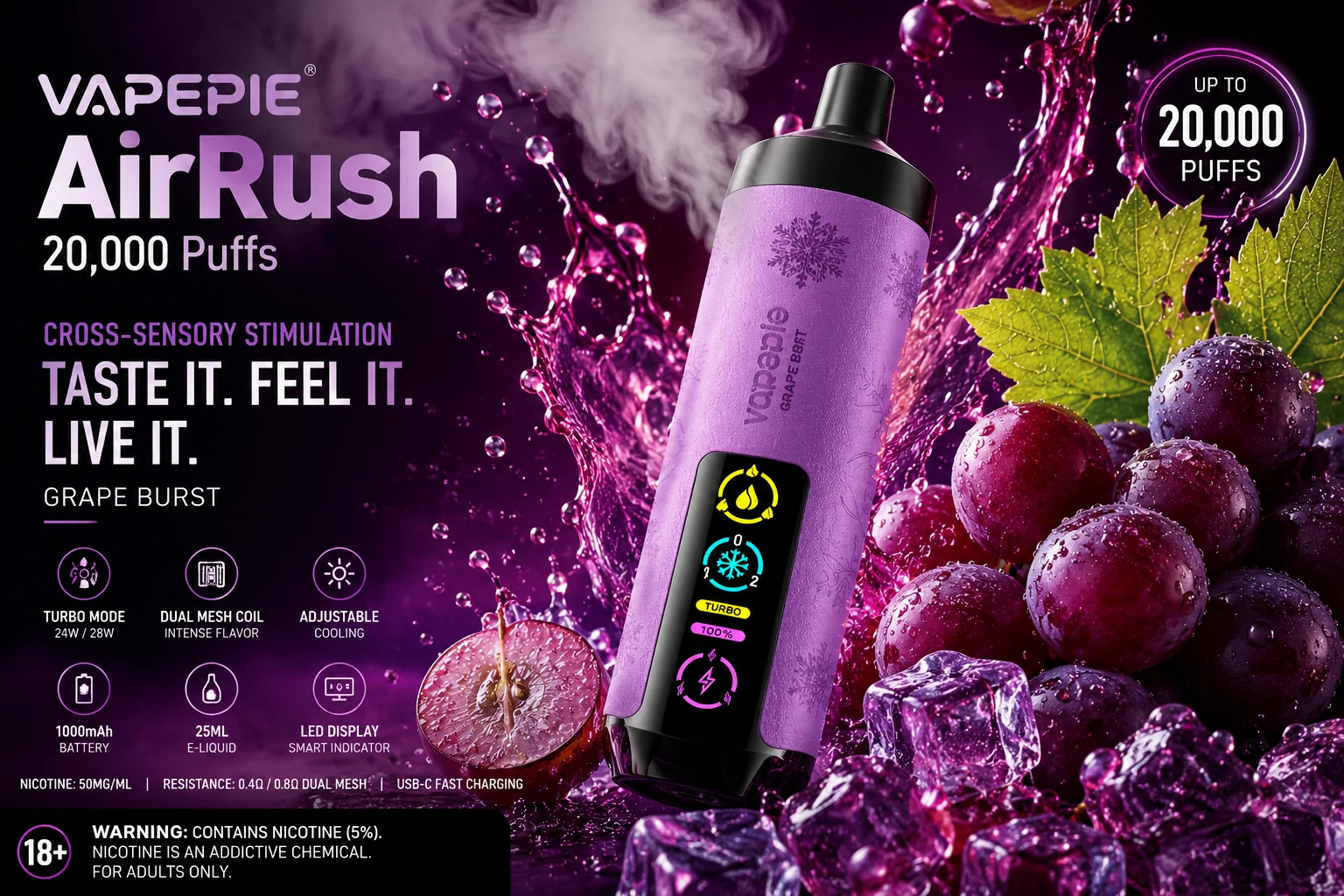
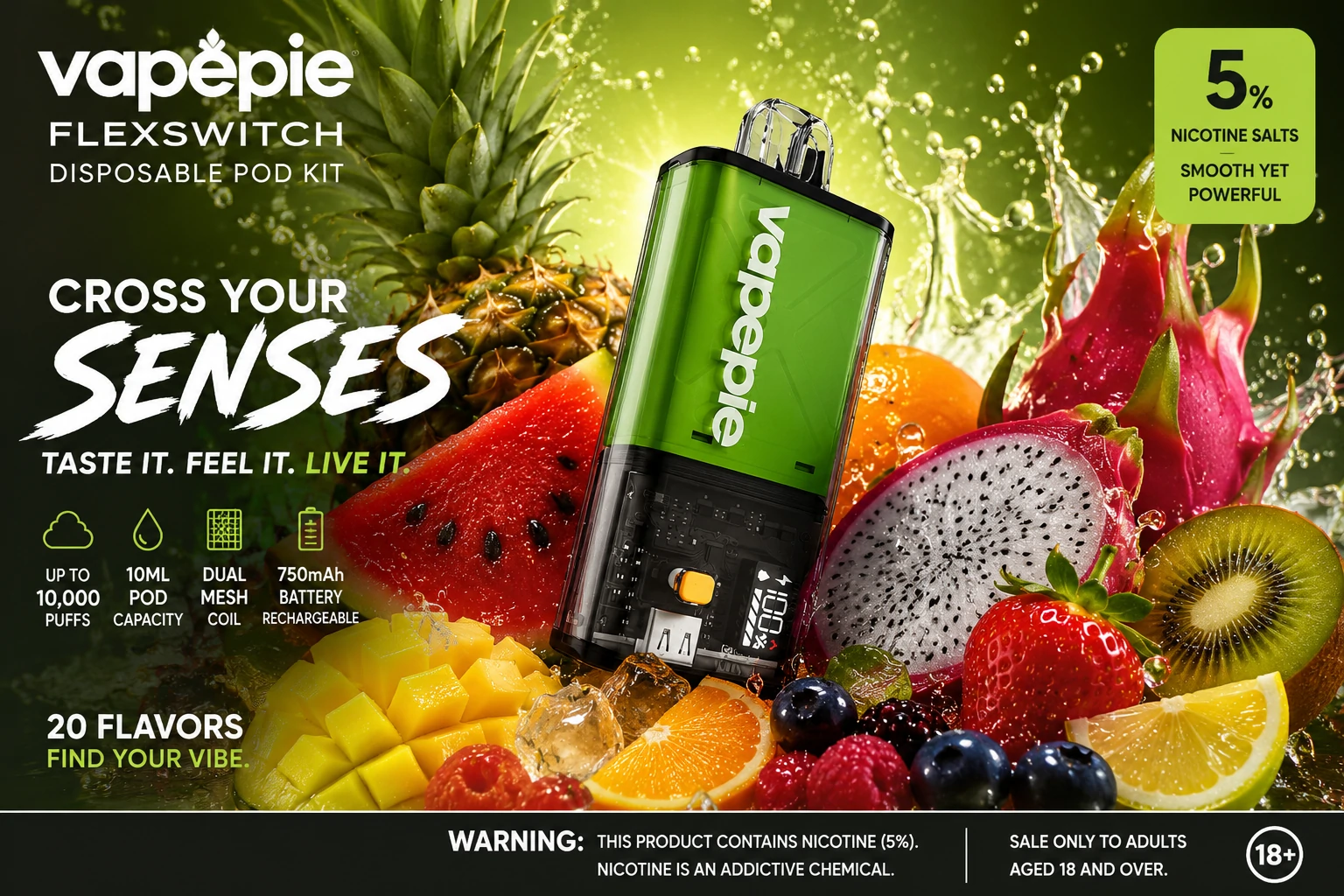
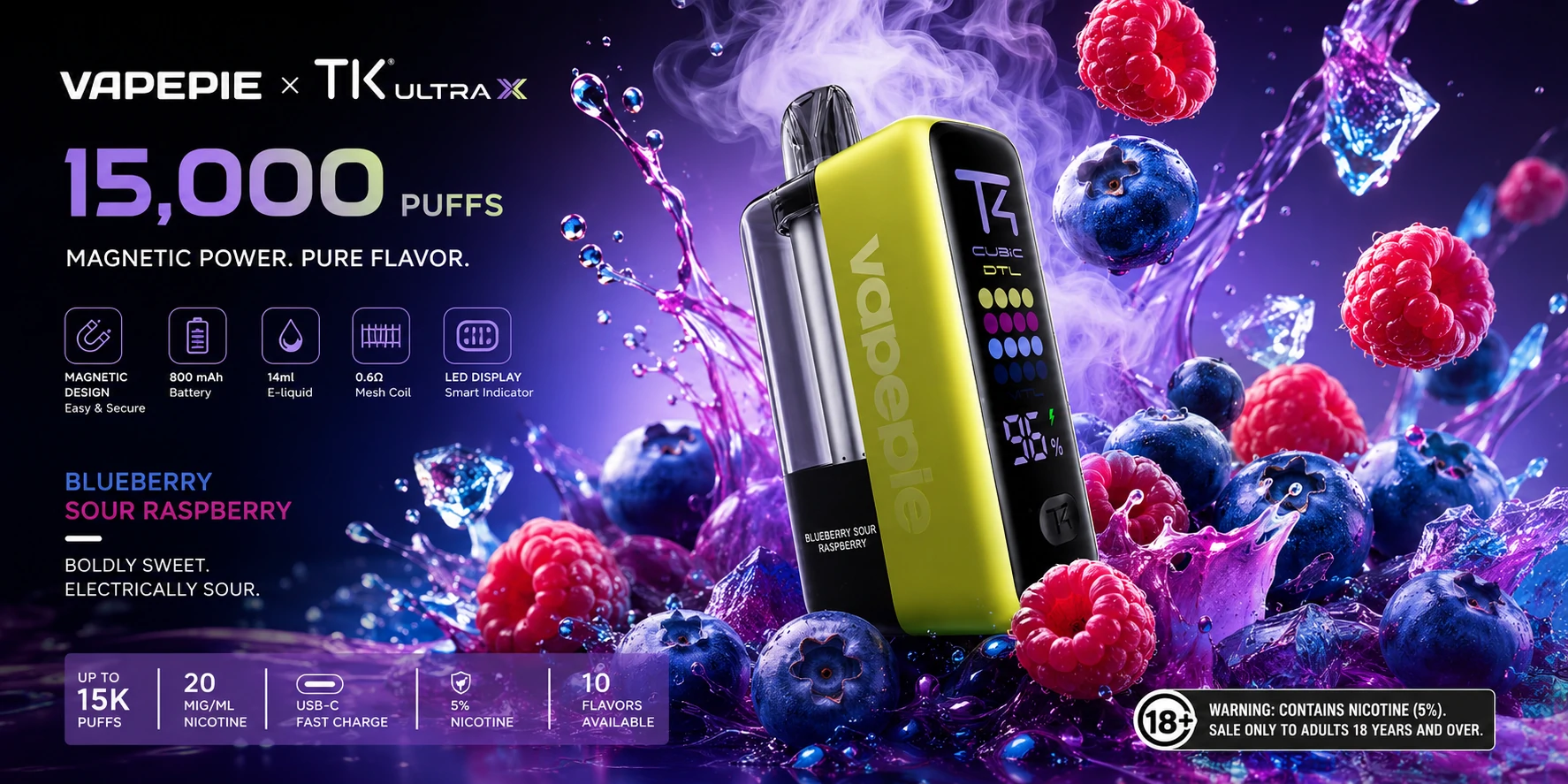
The vaporizer in your pocket doesn't know whether it's delivering nicotine or THC. The heating coil, the battery, the temperature control, the aerosol formation—the technology is identical. The difference is the cartridge: one contains nicotine e-liquid, the other contains cannabis oil. This technological convergence has created a commercial convergence. The vaping industry, built on nicotine, has become the primary delivery platform for legal cannabis. The cannabis industry, facing its own regulatory and market challenges, is adopting the technology, the supply chains, and—increasingly—the corporate structures of the nicotine industry. The two industries, historically separate, are on a collision course. The regulatory systems that govern them remain in entirely different universes.
The tobacco industry's interest in cannabis is not speculative. Altria invested $1.8 billion in Cronos Group, a Canadian cannabis producer, in 2018—an investment that, like the Juul deal, has been substantially written down but signals the strategic intent. British American Tobacco has invested in Organigram, another Canadian producer, and has conducted clinical trials on a CBD-based wellness product. Imperial Brands has invested in Oxford Cannabinoid Technologies. The investments are modest relative to the companies' size, but the direction is clear: the major nicotine companies see cannabis as an adjacent market that can be entered through the delivery technology they already control. The vape pen that delivers nicotine today can deliver THC tomorrow—and the companies that manufacture, distribute, and sell nicotine vaping products are well-positioned to do the same for cannabis.
The convergence is not just about delivery technology. It's about consumer behavior. The overlap between nicotine and cannabis use is substantial: cannabis users are more likely to use nicotine, and nicotine users are more likely to use cannabis, than the general population. Among young adults, co-use of nicotine and cannabis is increasingly common—the 'blunt' (a cigar hollowed out and filled with cannabis) and the 'spliff' (cannabis mixed with tobacco, common in Europe) are long-established practices, and the advent of vaping has created new modes of co-administration (separate cartridges, used sequentially or in combination). The consumers who are driving the growth of the nicotine pouch market are, in many cases, the same consumers who are driving the growth of the cannabis edibles market. The industries are converging because the consumers are the same people.
The regulatory divergence between nicotine and cannabis is an accident of history that has acquired the force of institutional reality. Nicotine is regulated as a 'tobacco product' under a framework (the FDA's Center for Tobacco Products) built in 2009 and designed for the market of 2009—a market dominated by combustible cigarettes, with vaping, pouches, and heated tobacco barely on the horizon. Cannabis is regulated by a patchwork of state-level systems (in the US) or national health agencies (in Canada and other legal jurisdictions), none of which were designed to govern a convergence with the nicotine market. The two regulatory systems do not communicate, do not coordinate, and do not share a common framework for evaluating risks, establishing product standards, or communicating with consumers. A consumer product that delivers both nicotine and THC—a product that is technically feasible and commercially attractive—would fall into a regulatory void, governed by neither system and accountable to neither agency.
The public health implications of the convergence are complex. Cannabis, like nicotine, is a psychoactive substance with abuse potential and health risks—but the risk profile is different (cannabis does not cause lethal overdose, but it is associated with impaired driving, cannabis use disorder, and—particularly with high-THC products—an increased risk of psychosis in vulnerable individuals). The combination of nicotine and cannabis—particularly when co-administered through vaping—introduces additional uncertainties: the interaction of the two substances on the cardiovascular system, the respiratory effects of long-term co-inhalation, and the potential for nicotine to enhance the rewarding effects of THC (nicotine and THC both act on the dopamine system, and their co-administration may be more reinforcing than either alone). The research base to inform regulation of co-administered products is essentially nonexistent—a gap that reflects the historical separation of nicotine and cannabis research, which has been organized around entirely different funding streams, research communities, and regulatory frameworks.
The strategic outlook is for continued convergence, with regulatory systems lagging far behind the market reality. The most likely near-term developments include: more tobacco company investment in cannabis (likely through minority stakes and partnership agreements, given federal prohibition in the US); the emergence of 'dual-use' vaping devices designed for both nicotine and cannabis cartridges; the development of combination products (nicotine-cannabis blends, either as co-formulated liquids or as separate cartridges sold together); and the growth of a consumer culture that views nicotine and cannabis as complementary rather than separate. The regulatory systems will eventually respond—but the response will be reactive, fragmented, and almost certainly inadequate to the complexity of the converged market. The cannabis-nicotine convergence is happening now. The regulatory framework to govern it does not yet exist.
Shareable insight: The vape pen doesn't care whether it's vaporizing nicotine or THC. The technology is the same. The industries are merging. The consumers are the same people. The regulatory systems—built for a world where nicotine and cannabis were separate—are not ready for the convergence that has already arrived.