E-Cigarettes: The 'Safer' Myth That's Hooked a New Generation
E-cigarettes are often marketed as a safer alternative to smoking, but this 'safer' label hides a dangerous truth: they're a new trap for teens, not a true cessation tool.
You've seen the sleek devices, the fruit flavors, the ads promising a 'cleaner' way to get nicotine. E-cigarettes have been hailed as a safer alternative to smoking, a way to quit. But what if the 'safer' label is actually the biggest trap? For teenagers, this isn't a path away from addiction—it's a new, more insidious one.
The core problem is that 'safer' is a relative term. Compared to the thousands of chemicals in burning tobacco, e-cigarette vapor is indeed less toxic. But that doesn't mean it's safe. For a developing brain, any nicotine exposure is a serious risk. It can harm memory, attention, and impulse control. And the real kicker: many teens who never would have smoked are now addicted to vaping.
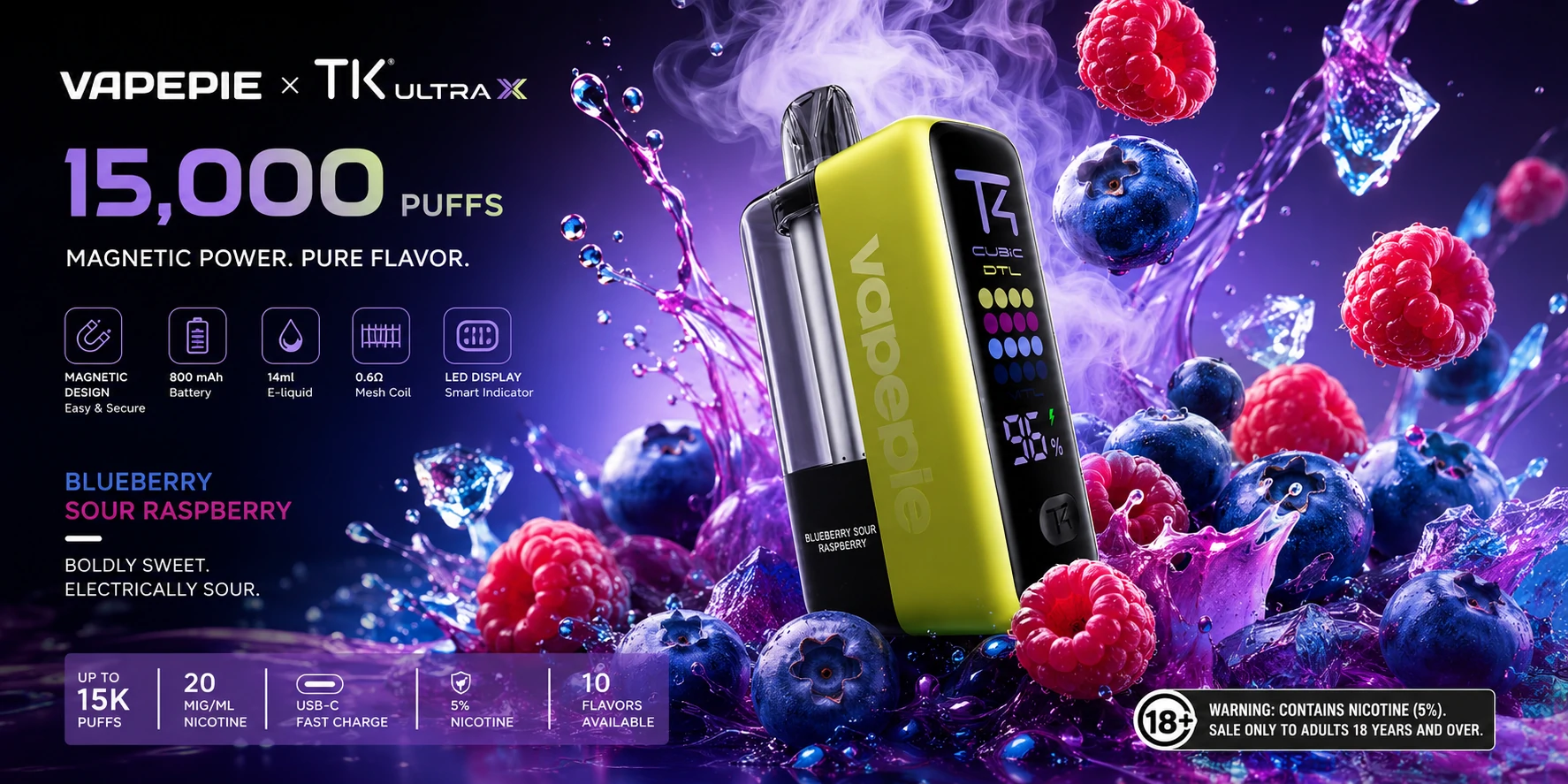
Think about the marketing. E-cigarettes were often sold as a 'lifestyle' product, not a medicine. Flavors like 'gummy bear' and 'mango' appeal directly to younger audiences, not to adults trying to quit. This is not accidental. The industry has shifted from helping smokers to hooking a whole new generation, creating a 'starter' addiction that often leads to traditional cigarettes.
Recent studies show that teens who vape are up to 7 times more likely to start smoking later. The 'safer' claim becomes a gateway, not a help. Parents and educators need to understand: the real danger isn't just the vapor, it's the normalization of nicotine use. It's the false sense of security that leads to a new public health crisis.
Regulators are finally catching up. Many countries are banning flavored e-cigarettes, restricting advertising, and raising the purchase age. These steps are crucial, but they're reactive. The real change needs to come from awareness. 'Safer' is not 'safe.' The best advice for non-smokers, especially teens, is simple: don't start. There is no safe level of nicotine for a developing brain.
So, what's the solution? For parents, it's open conversation and skepticism towards any product marketed as 'alt-healthy.' For policymakers, it's stricter regulations that treat e-cigarettes as tobacco products, not lifestyle gadgets. And for anyone trying to quit smoking, the best path is still FDA-approved methods: patches, gum, or professional help. Vaping is not a proven, safe cessation tool—it's a gamble with your health.