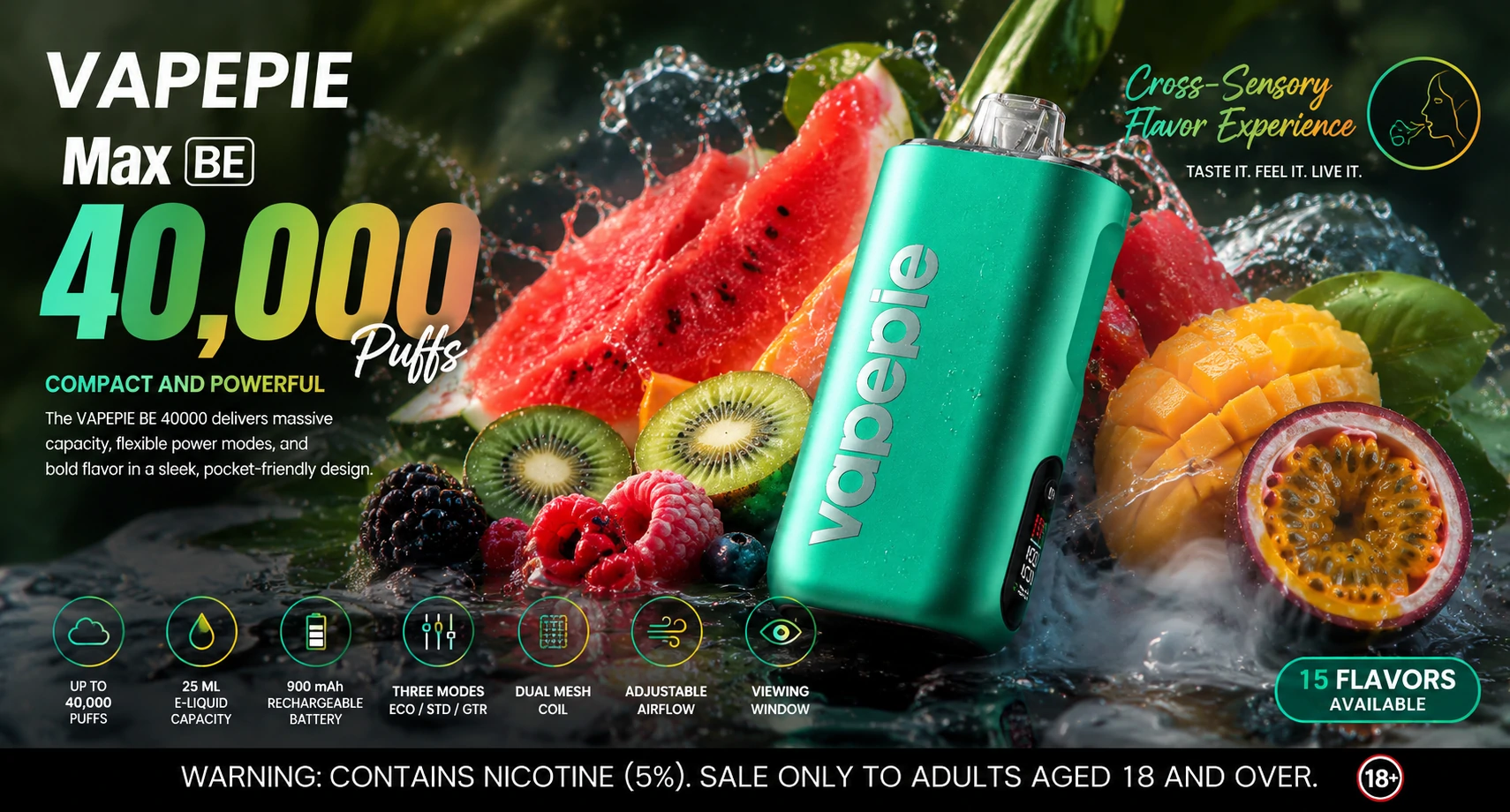
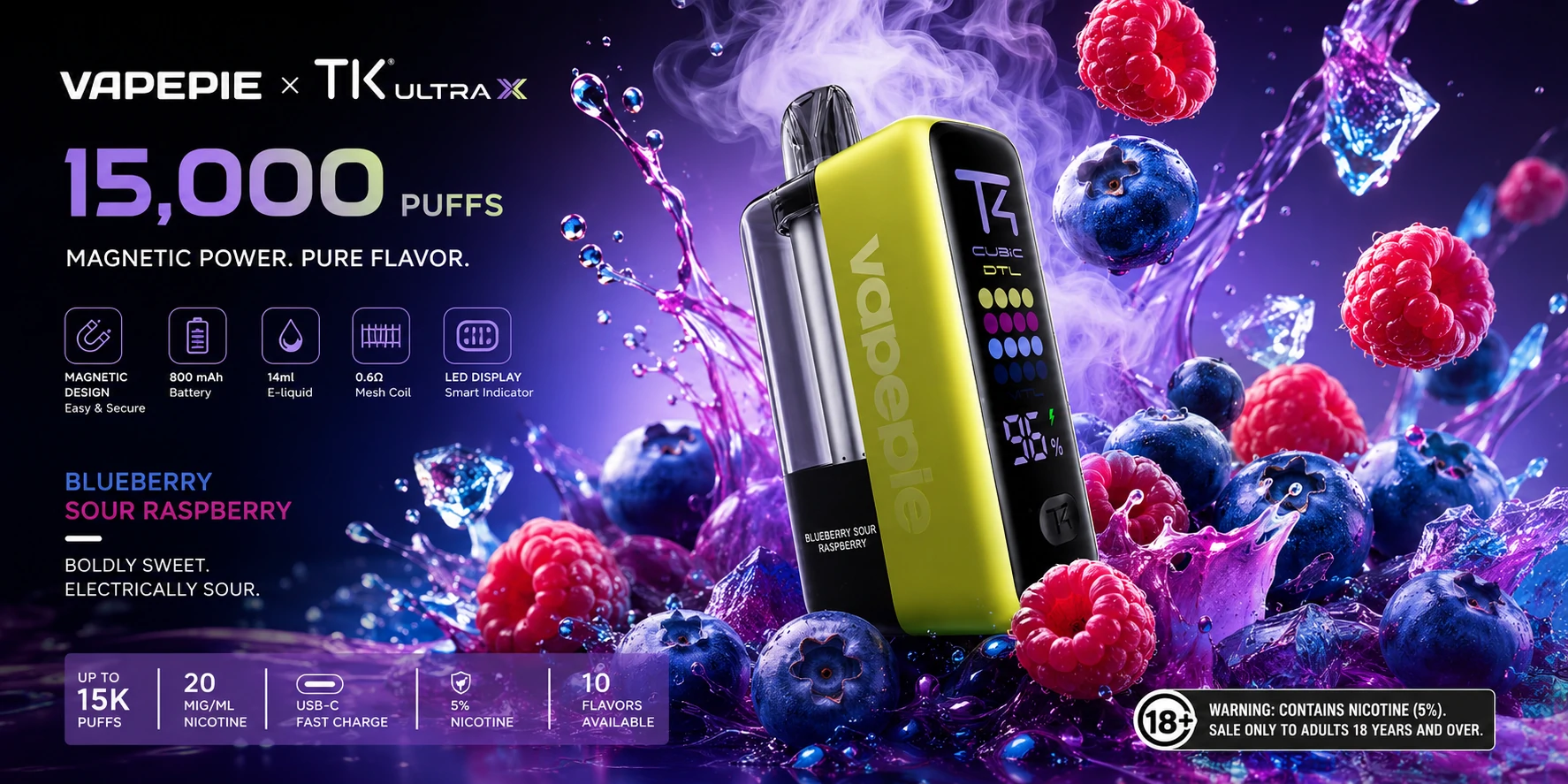
Disposable Vapes: The Convenience Trap Hooking a New Generation of Smokers
Exploring how disposable e-cigarettes are reshaping nicotine habits, their appeal to new users, and the hidden costs behind their convenience.
The sleek, colorful devices lining convenience store counters are no accident. Disposable vapes have exploded in popularity, offering a frictionless entry into nicotine for millions. But as sales soar, a troubling pattern emerges: these devices are not just converting smokers—they're creating new addicts who never touched a cigarette.
Data from 2025 shows that over 60% of new nicotine users aged 18-24 started with a disposable vape. The appeal is obvious: no charging, no refilling, no learning curve. Yet behind the convenience lies a deliberate design flaw—high nicotine salts that deliver a smoother hit but spike blood levels faster than traditional cigarettes.
Industry insiders reveal that disposable vape manufacturers optimize for 'first-hit satisfaction' to ensure repeat purchases. A single 5% nicotine disposable delivers as much nicotine as an entire pack of cigarettes, but in a format that feels harmless. The result? Users inhale more frequently and develop dependency faster.
The environmental cost is equally staggering. An estimated 50 million disposable vapes are discarded monthly in the US alone, each containing a lithium battery and nicotine residue. This creates a growing toxic waste crisis that regulators are only beginning to address, with several states proposing bans on single-use devices.
Consumer psychology plays a critical role here. The bright packaging, fruit flavors, and pocket-sized design trigger reward pathways similar to candy or gum. Unlike refillable systems, disposables remove the ritual of maintenance, making nicotine consumption feel more like a casual habit than an addiction.
For current smokers, disposables offer a genuine off-ramp—but at a cost. Switching from cigarettes to high-nicotine disposables may reduce tar exposure while increasing nicotine intake. The real danger emerges when non-smokers, attracted by flavors and low price points, become trapped in a cycle of daily use.
As the industry evolves, the key question remains: Are we replacing one addiction with a faster, more insidious one? The data suggests that without clearer regulation on nicotine content and marketing, disposables will continue to serve as a gateway rather than a solution.