Disposable E-Cigarettes: The Convenience Trap That's Costing Smokers More Than Money
A deep dive into the hidden costs, health trade-offs, and market trends reshaping the disposable vape industry—and what it means for smokers and enthusiasts.
Disposable e-cigarettes have exploded in popularity, offering a sleek, hassle-free entry point for smokers looking to quit traditional cigarettes. But beneath the convenience lies a complex web of trade-offs: from battery waste to inconsistent nicotine delivery, these devices are not the simple solution they appear to be. For smokers and enthusiasts, understanding what you're really inhaling—and what you're throwing away—could change your next purchase.
Recent market data reveals that disposable vape sales surged 40% in 2025, driven by flavor bans on refillable systems and aggressive marketing to young adults. Yet the same reports show a 60% increase in reports of battery malfunctions and leaking pods. This isn't just a safety issue; it's a sign of rushed manufacturing chasing trends over quality. For the savvy consumer, the choice between a disposable and a refillable system now involves weighing risk, cost, and environmental impact.
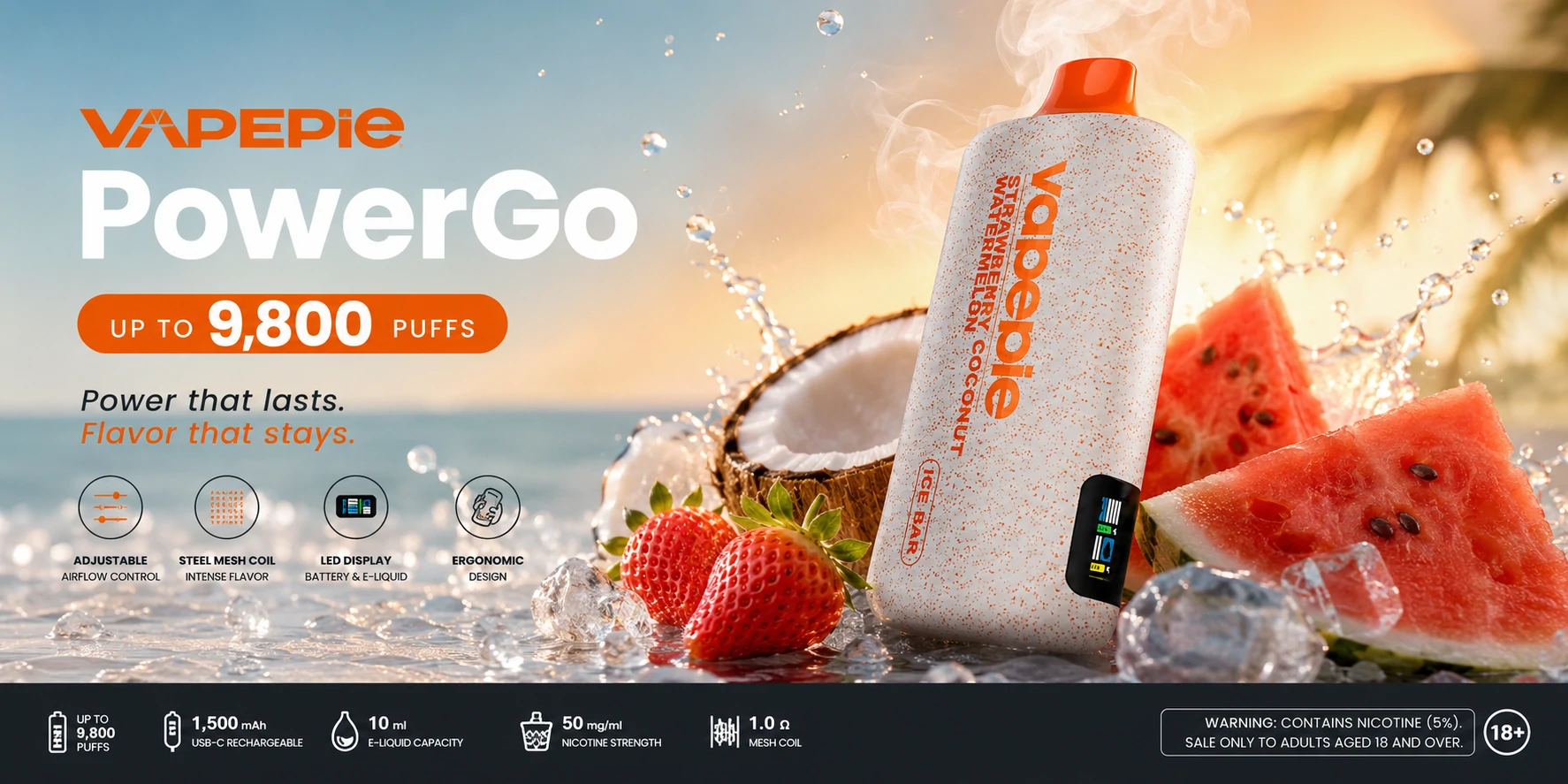
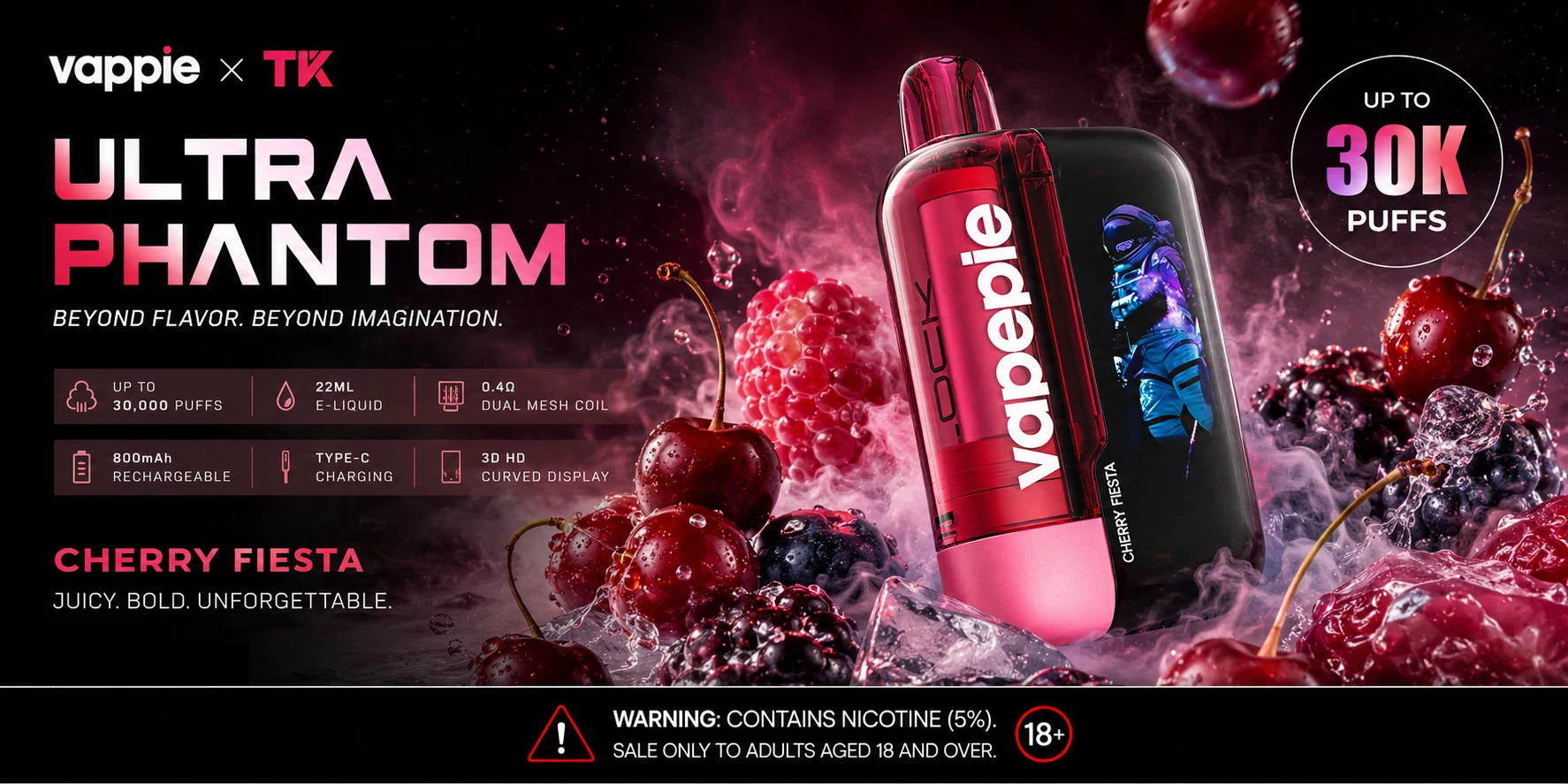
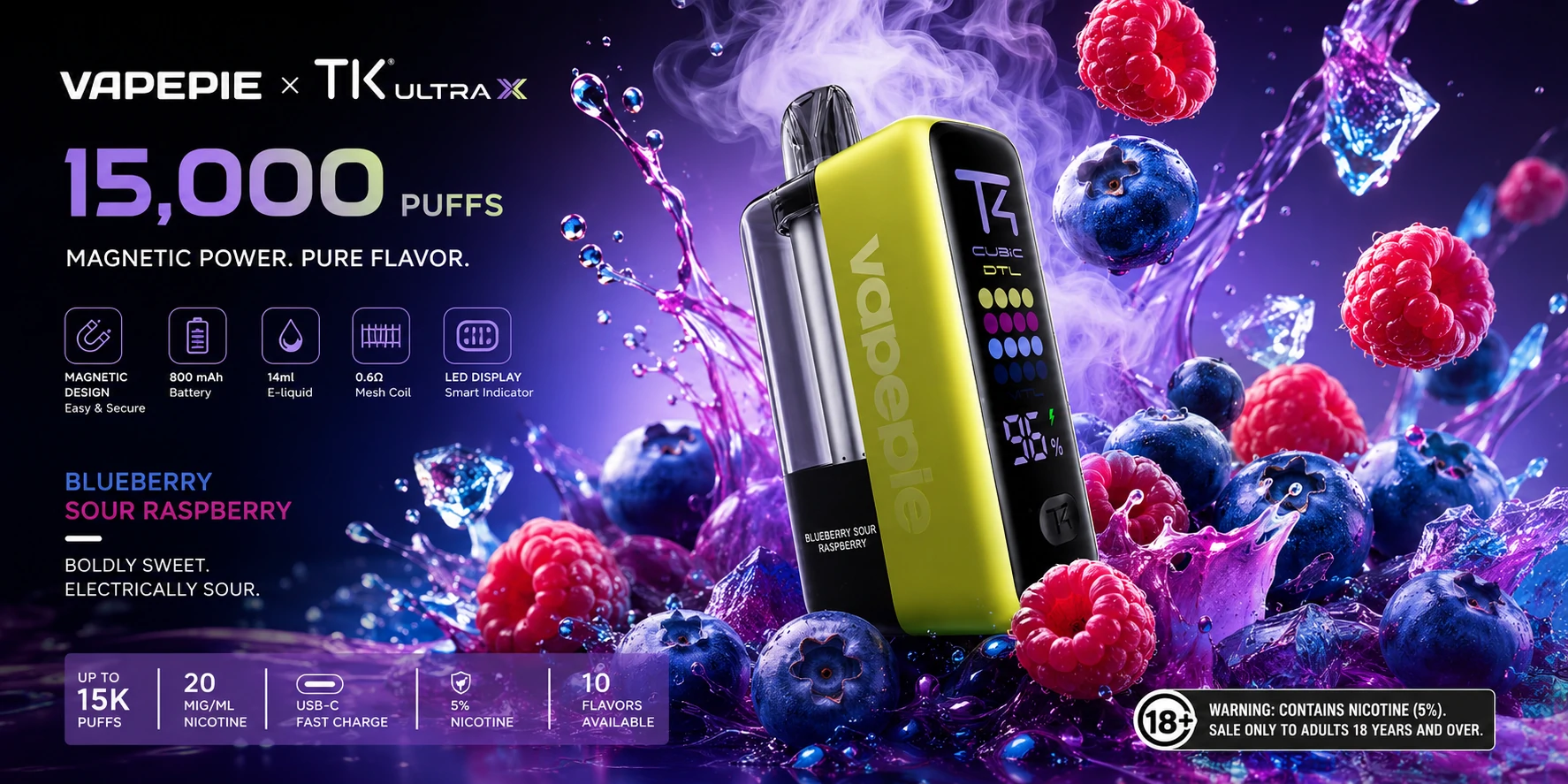
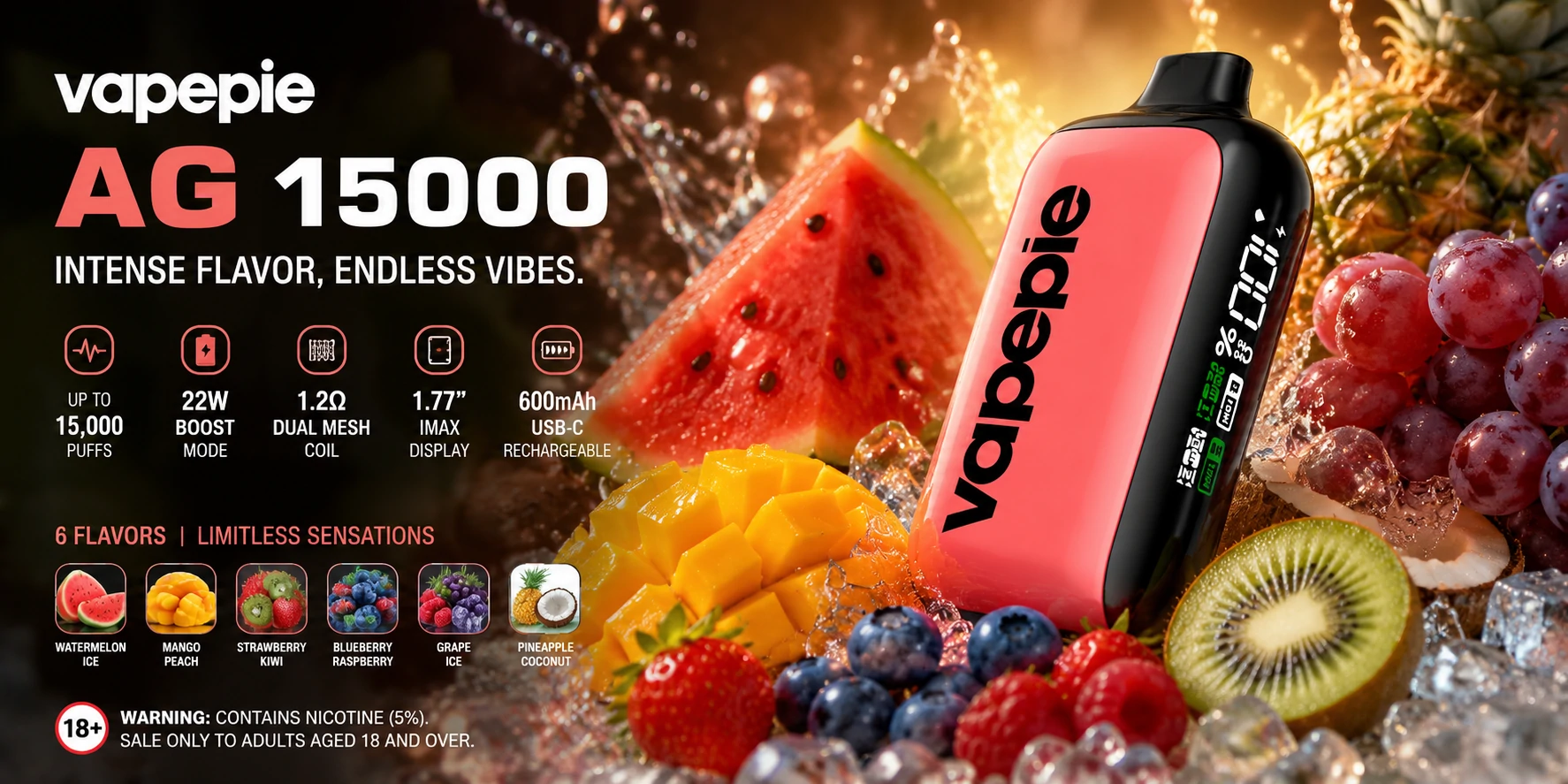
Here's a quick comparison to help you decide: Disposables offer zero maintenance and up to 600 puffs per device, but cost $8–$12 each and produce non-recyclable lithium-ion waste. Refillable pod systems require coil changes and e-liquid refills, but cost $0.50–$1 per refill and generate less waste. Over a year, a heavy vaper could save over $500 by switching to refillables—and reduce their carbon footprint significantly.
Beyond cost, the health implications are nuanced. While disposables eliminate combustion-related toxins found in cigarettes, they still deliver nicotine salts at high concentrations—often 50 mg/mL—which can spike blood pressure and create stronger dependence. A 2026 study from the University of Geneva found that users of high-nicotine disposables showed 30% higher cotinine levels than those using refillable systems at similar puff counts. The takeaway? 'Safer' is not 'safe,' and dosage matters.
Industry insiders note a shift: major brands are now introducing rechargeable disposables to address battery waste, while regulators eye flavor restrictions that could reshape the market again. For the enthusiast, staying ahead means reading beyond the label. Look for devices with adjustable airflow, ceramic coils for even heating, and third-party lab testing results. These features signal a brand committed to quality, not just hype.
The real story here isn't about good versus evil—it's about informed choice. Every puff is a trade-off between convenience, health, and sustainability. Whether you're a longtime smoker or a curious newcomer, the smartest move is to ask one question: 'What am I really buying?' The answer might just save you money, your lungs, and the planet.
Share this if you believe knowledge is the best tool for quitting or switching. Drop a comment: What's your go-to device, and why? Let's build a smarter community of vapers.